







Published 14 November 2026 · OFM4x4.co.uk
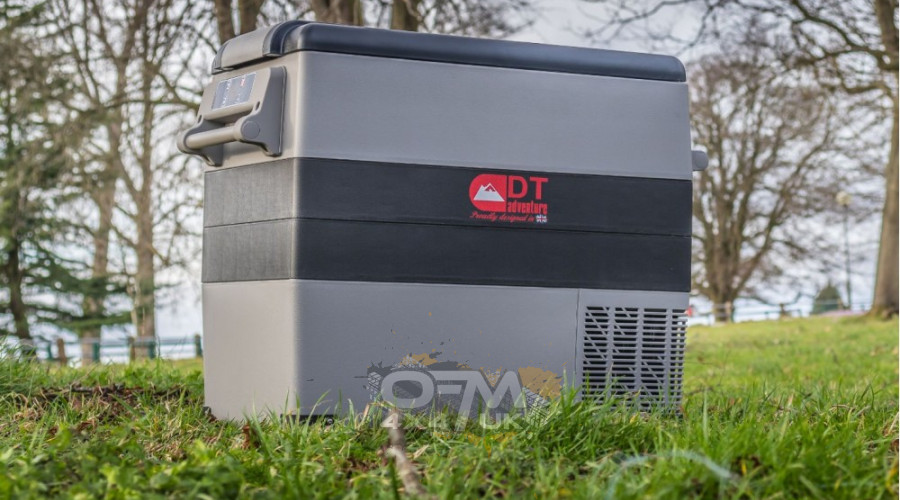
A fridge that cuts out after installation may suffer voltage drop along its supply path. Replacing the battery before checking wiring can miss the problem.
The quick answer
Use the fridge maker's cable and fuse guidance for the run length and current. Measure voltage at the fridge while its compressor is operating, not only at the battery at rest.
Map the full circuit
Include the positive lead, return path, fuse, switches and plugs. A high-resistance connector can cause the same symptom as thin wire. Record the cable route and each join.
Protect the conductor
Fit the specified fuse as close to the supply point as the installation instructions require. Its job is to protect the wiring from a fault, not to make an undersized lead work.
Measure under load
Compare supply and appliance-end voltage during compressor start and running. A reading with the fridge switched off will hide voltage loss. Check the fridge's selected low-voltage cut-out level.
Check mechanical routing
Keep the lead protected from sharp body edges, seat runners, heat and cargo. Secure the plug where vibration cannot partly pull it out. Investigate warm connectors promptly.
Specification checklist
Before ordering or booking work, have these details ready: Fridge model, manufacturer cable table, measured run length, connector type and fuse specification.
Frequently asked questions
Will a bigger fuse solve nuisance cut-outs?
No. It can remove protection while leaving voltage drop untouched.
For an application check, contact OFM4x4.co.uk with the vehicle and component details above. Confirm the current fitting instructions for the exact product before work starts.
Technical reference: media.dometic.com. The relevant product manual takes priority over general guidance.
Related Products


Leave a comment