


-32x32h.jpg)


-32x32h.jpg)

-32x32h.jpg)


-1000x1000h-32x32.jpg)


-32x32.png)


-32x32w.jpg)



-1000x1000w-150x150.jpg "DT Adventure Portable Camping 55L Compressor Car Fridge Freezer")
-1000x1000w-150x150.jpg "DT Adventure Portable Camping 55L Compressor Car Fridge Freezer")



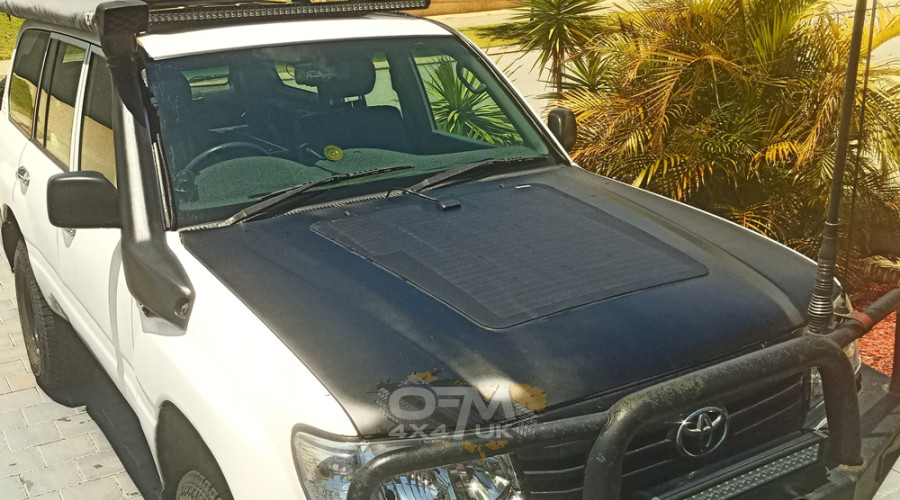
Solar energy has been gaining rapid momentum over the past few decades. As more people gravitate towards greener, more sustainable energy sources, the focus on making solar panels more portable and adaptable has risen. Portable solar panels, including flexible solar panels, semi-flexible panels, and foldable ones, are the newest innovations in this field. They cater to a growing market of eco-conscious travelers, adventurers, and even homeowners looking for backup power solutions. In this article, we'll delve deep into the realm of portable solar panels, and by the end, we'll answer some of the most pressing questions consumers have.
Types of Portable Solar Panels
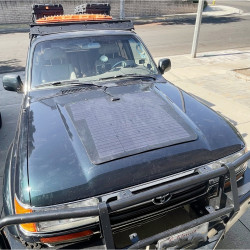
Flexible Solar Panels: These panels are thin and light. They can be flexed to a certain degree, making them perfect for surfaces that aren't entirely flat, like boat decks or RV roofs. Their versatility is their main advantage.
Semi-flexible Solar Panels: Slightly rigid than the flexible ones, these panels are sturdier and more suited for temporary setups, like a temporary campsite or emergency backup.
Foldable Solar Panels: Ideal for backpackers and campers, these can be folded into a compact form, making them incredibly portable. They're usually designed with fabric and have solar cells embedded in them.
Advantages of Portable Solar Panels
Portability: Their biggest selling point, these panels are easy to transport and set up.
Versatility: Whether you're on a boat, in an RV, or hiking, there's a portable solar panel for your needs.
Reduced Carbon Footprint: Solar energy is clean and sustainable.
Are Flexible Solar Panels Worth It?
Absolutely. Apart from their adaptability to curved surfaces, they're also lightweight, which can be a crucial factor for mobile applications. However, while they hold many advantages, they do come with certain limitations.
Disadvantages of Flexible Solar Panels
Efficiency: While the technology is advancing, flexible solar panels are generally less efficient than traditional rigid panels. This means you might require more surface area to generate the same amount of power.
Durability: Their flexibility, which is an advantage in some scenarios, can also be a disadvantage. They might not withstand harsh conditions as well as their rigid counterparts.
Heat Tolerance: Due to their thin design, flexible solar panels tend to have a lower heat tolerance. Excessive heat can degrade the panel’s efficiency and lifespan faster.
How Efficient is a Flexible Solar Panel?
On average, flexible solar panels offer an efficiency rate of 10-12%. This is slightly lower than the average efficiency rate of traditional rigid panels, which ranges from 15-20%. However, for many, the trade-off in efficiency is worth the convenience and adaptability.
Lifespan of a Flexible Solar Panel
A well-maintained flexible solar panel can last anywhere from 5 to 10 years, though this can vary based on the manufacturer, usage, and environmental conditions. Regular maintenance and careful handling can help extend its lifespan.
Tackling Common Questions
Is it worth getting a portable solar panel?
Yes, especially for those who are on the move often, or need a temporary power solution. Their ease of setup, adaptability, and the green energy they produce makes them a worthy investment.
Do portable solar panels work?
Absolutely. Though their efficiency might be slightly less compared to the rigid panels, they are quite capable of converting sunlight into electricity.
What will a 200-watt solar panel run?
A 200-watt solar panel can power small appliances and devices such as laptops, LED lights, fans, and charge mobile phones. However, its capability depends on the sunlight available and the efficiency of the panel.
What can you run off a 100-watt solar panel?
A 100-watt panel can power devices like a smartphone, tablet, or some LED lights. It's perfect for basic camping needs.
In Conclusion
Portable solar panels, with their flexibility and versatility, offer a promising solution for those in need of mobile power sources. While they come with some limitations in efficiency and durability, for many, the trade-offs are worth the convenience they bring.
If you’re considering purchasing a portable solar panel, we recommend our high-quality solar panels. Always remember to compare features, read reviews, and ensure the panel fits your specific needs.
Related Products



Leave a comment