






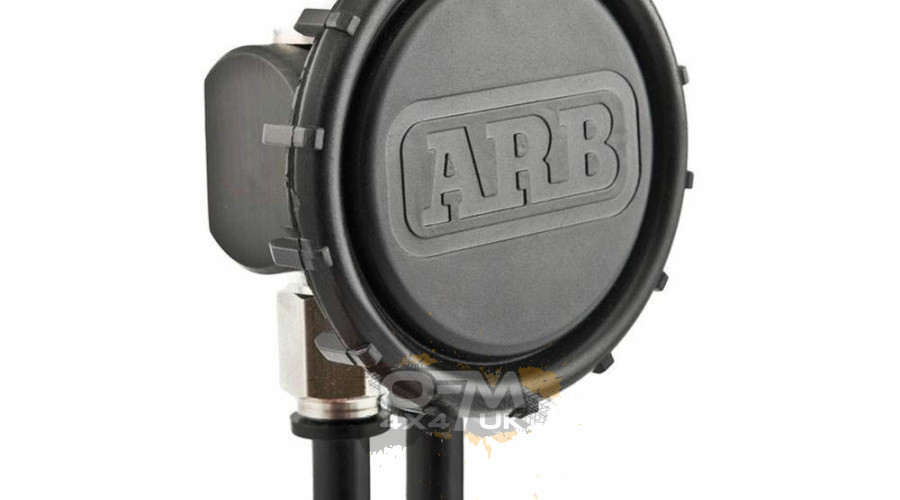
Published 7 November 2026 · OFM4x4.co.uk
A snorkel raises the engine intake, but water can still reach other driveline components. Differential breathers deserve their own inspection before wet routes.
The quick answer
Inspect the complete breather path for each axle and any gearbox or transfer-case vents covered by the kit. Routing a hose higher cannot repair a damaged seal or make a vehicle waterproof.
Locate the original vents
Use the exact vehicle workshop information to identify each vent. Some are small caps on the axle; others connect to hoses already. Do not confuse a drainage or electrical fitting with a breather.
Plan the hose route
Keep tubing away from exhaust heat, sharp edges and moving suspension. Allow movement at full travel without stretching or trapping the hose. Follow the kit's instructions for filters, manifolds and termination height.
Inspect all joints
A high-mounted end is ineffective if a low joint leaks or the hose is kinked. Secure connections without crushing plastic fittings. After fitting, verify that the system can vent as intended; do not cap it off.
After water exposure
Check for obvious contamination, damaged seals and unusual lubricant appearance according to the vehicle service procedure. Water crossings carry risks beyond axle vents, including bearings, electrical connectors and air intake joints.
Specification checklist
Before ordering or booking work, have these details ready: Vehicle axle and transmission variants, factory vent locations, hose path, suspension travel and kit instructions.
Frequently asked questions
Does a breather kit set a safe wading depth?
No. Follow the vehicle maker's wading limit and assess the whole vehicle and conditions.
For an application check, contact OFM4x4.co.uk with the vehicle and component details above. Confirm the current fitting instructions for the exact product before work starts.
Technical reference: www.arb.com.au. The relevant product manual takes priority over general guidance.
Related Products


Leave a comment