








Published 27 November 2026 · OFM4x4.co.uk
A disc can look acceptable from the outside while its friction faces, inner surface or measured thickness tell a different story. A nominal new-disc size is not the discard limit.
The quick answer
Use the exact rotor manufacturer's marked minimum thickness and a competent inspection of both faces. Replace components according to the vehicle and brake maker's instructions.
Find the correct specification
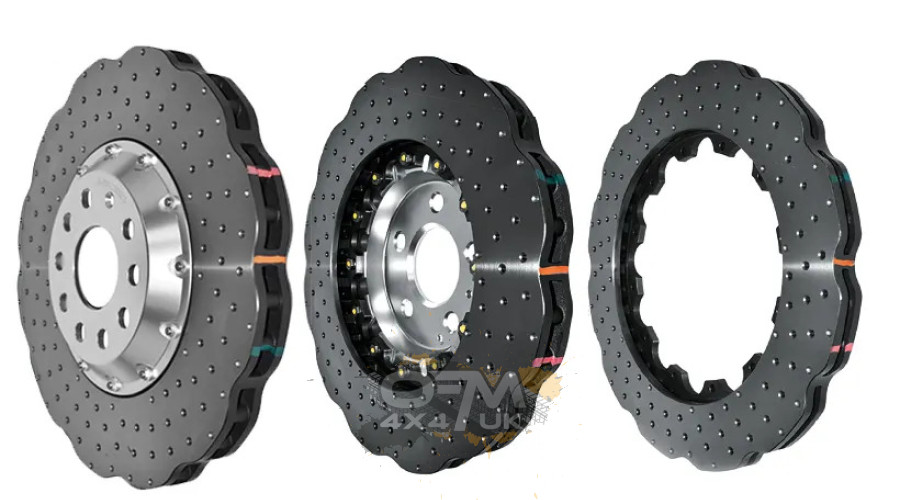
Confirm the rotor part number and its minimum-thickness marking or current technical data. Front and rear discs can differ. Do not borrow a number from a different rotor diameter or variant.
Measure properly
A qualified technician uses a suitable gauge at the prescribed points away from any lip. Record multiple readings and inspect for uneven wear, cracks, corrosion and heat damage. One measurement at an easy edge is insufficient.
Inspect related parts
Check pad thickness, caliper movement, slider condition and hub face. A new disc will not solve a sticking caliper. Investigate why one side differs from the other.
Plan a pair replacement
Follow the manufacturer and workshop procedure for replacement on the axle and the subsequent bedding process. Road-test the brake system before normal use.
Specification checklist
Before ordering or booking work, have these details ready: Vehicle variant, rotor and pad part numbers, marked minimum and measured readings.
Frequently asked questions
Can I machine a disc below its marked minimum?
No. The marked discard limit must be respected.
For an application check, contact OFM4x4.co.uk with the vehicle and component details above. Confirm the current fitting instructions for the exact product before work starts.
Technical reference: www.dbabrakes.co.uk. The relevant product manual takes priority over general guidance.
Related Products


Leave a comment