


-32x32h.jpg)


-32x32h.jpg)

-32x32h.jpg)


-1000x1000h-32x32.jpg)


-32x32.png)


-32x32w.jpg)




-1000x1000w-150x150.jpg "DT Adventure Portable Camping 55L Compressor Car Fridge Freezer")
-1000x1000w-150x150.jpg "DT Adventure Portable Camping 55L Compressor Car Fridge Freezer")


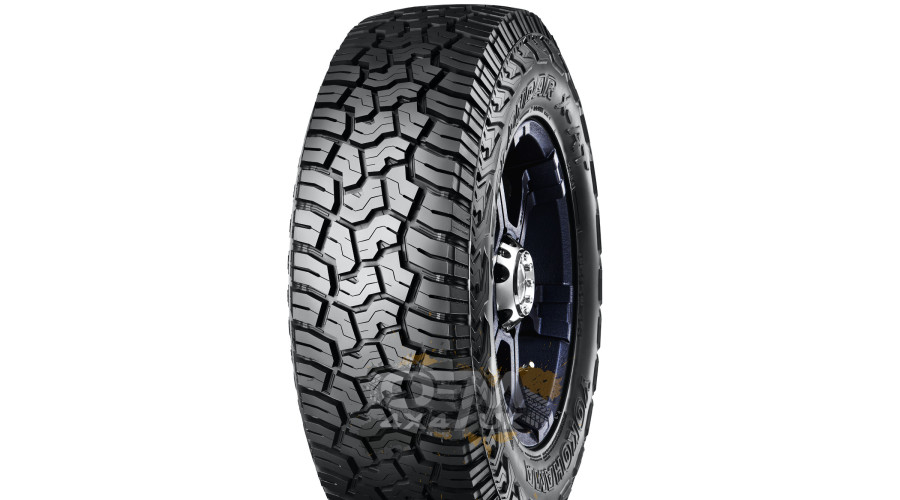
When it comes to enhancing the performance and appearance of your 4WD, one popular modification is fitting bigger tyres. However, this decision isn't as straightforward as it may seem. Several factors must be carefully considered to ensure that you not only achieve the desired look but also maintain the functionality and safety of your vehicle.
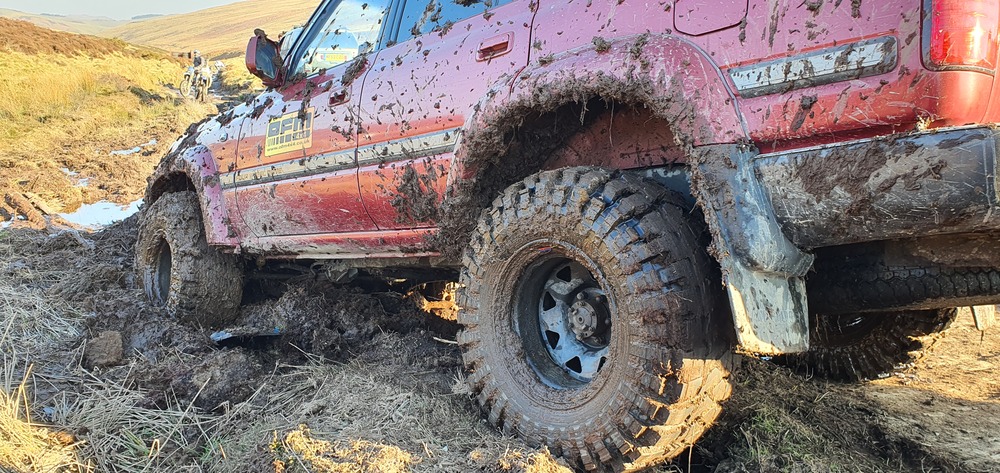
What You Should Consider
Compatibility with Your 4WD:
Before diving into the world of larger tyres, it's crucial to determine if your 4WD can accommodate them. Check your vehicle's specifications and consult with experts if needed to ensure that the increased tyre size won't interfere with your vehicle's components.
Different Size Tyres on a 4x4:
While it's generally possible to put different-sized tyres on a 4x4, it's not advisable. Mismatched tyre sizes can lead to uneven wear, affect handling, and impact your vehicle's stability, especially in off-road conditions.
Mixing Tyres on a 4x4:
Mixing tyres on a 4x4, particularly different tread patterns or brands, can compromise traction and handling. For optimal performance, it's recommended to stick to a uniform set of tyres.
Lift Kit Requirement:
Fitting bigger tyres may necessitate a lift kit to maintain proper ground clearance. A lift kit helps prevent rubbing issues and ensures that your vehicle's suspension and drivetrain components are not under unnecessary stress.
Advantages of Bigger Tyres:
Larger tyres can enhance off-road capabilities, providing better traction, increased ground clearance, and improved handling on uneven terrain. Additionally, they can contribute to a more aggressive and rugged appearance.
Performance Impact:
The difference in performance with bigger tyres is notable. Improved ground clearance allows your 4WD to tackle more challenging terrains, while the larger contact patch enhances traction, especially in mud, sand, or rocky conditions.
Legal Considerations:
Check local regulations regarding tyre size, as exceeding specified limits may lead to legal consequences. It's crucial to ensure that your modifications comply with safety standards to avoid fines or other penalties.
Wider Tyres: Are They Better?
Wider tyres offer increased traction on various surfaces, but they can also negatively affect fuel efficiency and on-road handling. The decision to opt for wider tyres should be based on your driving preferences and specific needs.
Disadvantages of Bigger Tyres:
Despite the advantages, there are drawbacks to consider, such as potential alterations to your vehicle's speedometer accuracy, increased fuel consumption, and added stress on the drivetrain components.
Alternatives to Bigger Tyres:
If fitting larger tyres doesn't align with your preferences or driving needs, consider alternatives such as improving your vehicle's suspension, upgrading its differential, or investing in a dedicated off-road tire.
Choosing the Right Size:
Selecting the appropriate tyre size involves considering factors like your typical driving conditions, vehicle weight, and personal preferences. Consult with professionals to find the balance that suits your requirements.
Conclusion
Fitting bigger tyres to your 4WD is a decision that requires careful consideration of various factors. While the advantages are significant, it's crucial to weigh them against potential drawbacks and explore alternative modifications. Remember to stay informed about local regulations, consult with experts, and choose a size that aligns with your off-road ambitions and everyday driving needs.
FAQs:
Can I put bigger tyres on my 4WD?
Yes, but it's essential to ensure compatibility with your vehicle's specifications.
Can you put different size tyres on a 4x4?
It's possible, but not advisable due to potential handling and stability issues.
Can you mix tyres on a 4x4?
While possible, it's recommended to use a uniform set to maintain optimal performance.
Do I need a lift kit for bigger tires?
It's advisable to consider a lift kit to prevent rubbing issues and maintain ground clearance.
Why fit bigger tyres?
Bigger tyres enhance off-road capabilities, providing better traction and a more aggressive appearance.
How much difference does it really make?
Bigger tyres significantly impact off-road performance, improving traction and ground clearance.
Are you allowed to run bigger tyres?
Check local regulations, as exceeding specified limits may lead to legal consequences.
Are wider tyres better?
Wider tyres offer increased traction but may negatively affect fuel efficiency and on-road handling.
What are the disadvantages of bigger tyres?
Potential drawbacks include altered speedometer accuracy, increased fuel consumption, and added stress on drivetrain components.
Alternatives to fitting bigger tyres:
Consider improving the suspension, upgrading the differential, or investing in dedicated off-road tires.
What size tyres should you run then?
Consult with professionals to choose a size based on driving conditions, vehicle weight, and personal preferences.
Related Products

-250x250.png "315/75R16 121P Toyo Open Country M/T")
Leave a comment