








Published 16 November 2026 · OFM4x4.co.uk
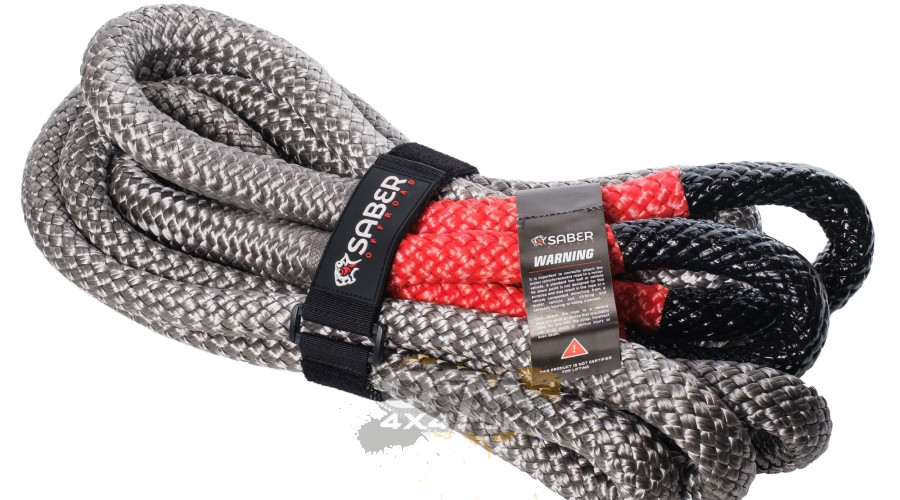
A kinetic rope stores energy as it stretches. Choosing one solely by the stuck vehicle's weight ignores the attachment points, connectors and the other vehicle.
The quick answer
Follow the rope maker's vehicle-weight and minimum-breaking-strength application guidance. Use compatible rated recovery points and connectors, and establish a clear exclusion area.
Read the rope label
Identify the exact product, rating, length and retirement criteria. A nominal diameter does not establish performance. Inspect the rope for cuts, contamination and damaged eyes before use.
Match vehicles and hardware
Check both vehicles' actual mass and rated attachment points. The weakest part of the system governs the safe plan. Never substitute a tow ball or unverified tie-down eye.
Control the manoeuvre
Agree the path, driver signals and stopping point before moving. Keep bystanders clear and follow the rope's specified technique. Do not use the kinetic rope as a winch-extension strap unless its instructions explicitly permit it.
Clean and store
Follow the maker's instructions for removing grit and drying the rope. Record a heavy or abnormal event and inspect before reuse. Retire damaged equipment rather than hiding it in the recovery bag.
Specification checklist
Before ordering or booking work, have these details ready: Rope model and label, both vehicle masses, attachment point and connector ratings.
Frequently asked questions
Does a stronger rope always improve safety?
No. The rope must suit the vehicles and the whole rated system.
For an application check, contact OFM4x4.co.uk with the vehicle and component details above. Confirm the current fitting instructions for the exact product before work starts.
Technical reference: saberoffroad.com.au. The relevant product manual takes priority over general guidance.
Related Products


Leave a comment