








Published 2 November 2026 · OFM4x4.co.uk
A turbo that suddenly sounds different can make a familiar 4x4 feel expensive to drive. The useful first question is not which replacement to buy, but whether the noise comes from an air leak, an exhaust joint, surrounding hardware or the turbo itself.
The quick answer
Do not diagnose a turbo by whistle alone. Check the complete air, exhaust and lubrication systems. Stop driving and arrange professional inspection if the noise is sudden or severe, or comes with smoke, oil-pressure warnings or mechanical scraping.
When to stop driving
A new scraping or grinding sound, sudden loud whine, heavy smoke, falling oil level or oil-pressure warning needs urgent attention. Pull over safely, switch off and arrange inspection or recovery. Do not keep accelerating to reproduce the sound or assume that normal boost means everything is safe.
Do not put hands near a running turbo or remove intake pipework with the engine running. Let the engine and exhaust cool before any external inspection. Internal checks belong with a qualified technician; this guide organises the investigation, not a diagnosis from a sound recording.
What the noise can—and cannot—tell you
Some airflow sound is normal, but a change from the vehicle's established sound matters. A hiss or whistle can come from escaping charge air or exhaust gas, not necessarily failed bearings. A newly fitted turbo can also draw attention to disturbed joints and surrounding pipework.
| What you notice | Checks to prioritise | What not to assume |
|---|---|---|
| New hiss or whistle under load | Hoses, intercooler, seals and exhaust joints | That noise alone proves turbo failure |
| Noise soon after installation | Disturbed connections, gasket seating and pipe supports | That the replacement must be faulty |
| Rattle near the turbo | Loose supports and surrounding hardware; control mechanism inspection | That adjusting the wastegate is a safe cure |
| Siren-like whine, scraping or noise with smoke | Stop and obtain specialist inspection | That another hard pull will clarify the fault safely |
These are investigation priorities, not a sound-to-fault lookup chart. Different faults can produce similar noises.
Check the air and exhaust paths first
With the engine off and cool, look for a displaced hose, split elbow, loose support, damaged airbox connection or obvious intercooler damage. Trace the route from the air filter to the compressor, then through the charge pipes and intercooler towards the engine. Restrictions and leaks both matter.
A workshop can test the charge-air system using the vehicle-appropriate method and pressure limit. Do not apply unrestricted workshop air. Exhaust-side inspection should include manifold and turbo joints, flange condition and correct gasket installation. Reused or poorly seated seals can leak even when the turbo is sound. A restricted exhaust, catalyst or DPF needs diagnosis rather than removal or a boost adjustment.
Check lubrication before condemning the turbo
Oil starvation, contaminated oil and foreign-object damage can damage the rotating assembly. A replacement remains vulnerable if the original cause is left in place. Ask the technician to check oil specification, service history, feed supply and return path against the exact installation requirements.
Oil leakage does not automatically mean a failed turbo seal. A restricted drain or excessive crankcase pressure can interfere with oil return. Breather condition and engine health belong in the investigation too.
Do not judge shaft movement against an internet rule of thumb: assessment depends on the bearing design and manufacturer's limits. Wheel-to-housing contact or damaged blades is not a condition to keep running. Do not spin the turbo with compressed air, straighten blades or dismantle the core as a driveway test.
Brands, modifications and the workshop checklist
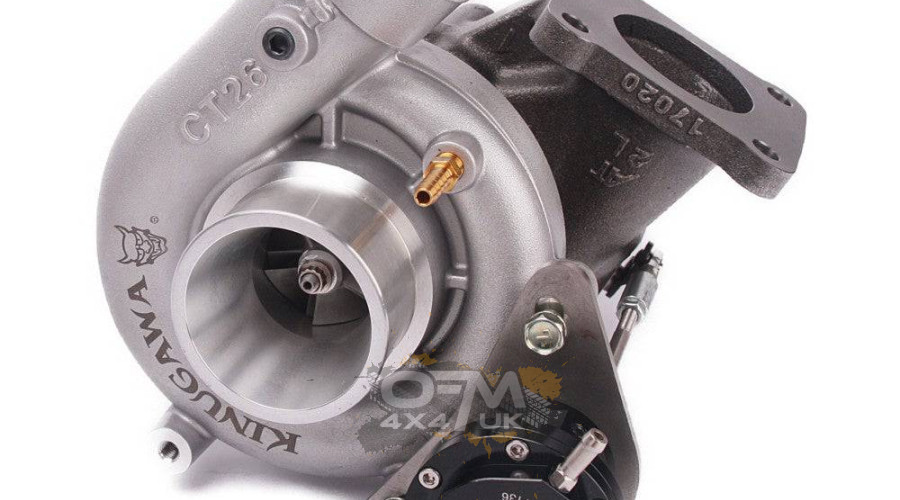
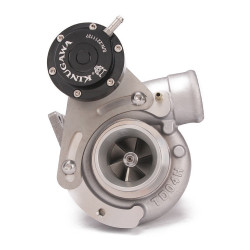
Whether the vehicle uses Kinugawa, GTurbo, Garrett or BorgWarner, identify the exact unit and engine application before ordering parts. Brand names do not make oil restrictors, actuator settings, replacement cores or boost targets interchangeable. A modified installation needs its own fitting instructions and a review of the supporting intake, exhaust and calibration.
Give the workshop a useful starting record:
- Vehicle, engine code, turbo identification and mileage.
- When the noise began, including recent fitting, servicing or intake changes.
- Whether it occurs cold, hot, at idle or under load—without deliberately recreating a dangerous condition.
- Smoke, oil use, warning lights, stored fault codes and any loss of power.
- The fitted airbox, intercooler, exhaust and boost-control arrangement.
Ask for the cause to be documented before approving replacement. A parts list should follow the diagnosis, not substitute for it.
Frequently asked questions
Does a whistle always mean the turbo is worn out?
No. Airflow noise and leaking air or exhaust joints can whistle too. A new or worsening sound still deserves investigation, particularly with smoke, oil use or reduced performance.
Can I tighten the wastegate rod to stop a rattle?
Do not alter actuator preload or boost controls by guesswork. Have the mechanism checked against the correct turbo and engine specifications.
Should I order a bigger turbo instead?
Not as a cure for an unexplained noise. Establish the fault first; an upgrade requires a separate application and supporting-system assessment.
For help identifying suitable parts, contact ofm4x4.co.uk with the vehicle, engine code and turbo identification. A physical inspection is still needed to diagnose a mechanical fault.
Further technical reading: Garrett turbo diagnostics and BorgWarner troubleshooting. Follow the instructions for the exact vehicle and turbocharger.
Related Products


Leave a comment