









Published 21 October 2026 · OFM4x4.co.uk
A shock or strut can be the correct part and still suffer early bush wear after installation. For applicable rubber-bushed mounts, the position at final tightening matters as well as the torque.
This guide explains what to ask an installer. It does not supply a universal torque setting or replace the instructions for your vehicle and suspension kit.
Follow the exact component instructions for final tightening position and torque. Ironman specifically warns against final tightening of applicable shock eye and lower strut bushes with the suspension hanging. Do not apply that procedure indiscriminately to every joint or bush design.
Identify the mount design
Establish whether the joint uses a bonded rubber bush, a different elastomer arrangement, a sleeve, a spherical bearing or another construction. The word 'bush' alone does not identify its fitting method.
Ask the fitter to use the suspension manufacturer's instructions alongside the vehicle workshop information. An aftermarket component may include its own washers, sleeves or assembly requirements.
Understand the neutral position
Ironman's troubleshooting guidance links premature lower-strut bush damage to tightening without neutralisation. For the applicable mounts, final tightening is specified at normal ride height.
Think of normal ride height as the installation reference position, rather than the maximum hanging position of the axle. This explanation does not mean every suspension bolt should be loosened and retightened by the owner.
Define the vehicle configuration
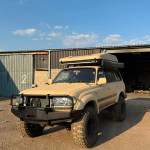
Give the fitter a clear description of the vehicle as it will normally operate: permanent accessories, springs fitted and the expected load arrangement.
Ask how the vehicle will be safely supported for final tightening. Never crawl under a vehicle supported only by a jack, and do not drive it with fasteners left loose to reach another work area.
Confirm torque and hardware
Request the specified tightening values and any required fastener replacement. Check whether the instructions distinguish the bolt, nut, stem mount or other connection.
Do not add lubricant or thread treatment simply to make tightening easier. These choices can affect the connection and must follow the applicable instructions, including any restriction on reusing locking hardware.
Record the installation
Keep part numbers, fitting date, the vehicle configuration at final tightening and the workshop invoice together. A brief note that the specified ride-height procedure was followed can assist later diagnosis.
If there is a new squeak, knock or damaged bush, return to the installer for inspection. Repeatedly tightening a joint without finding the cause can obscure an assembly or compatibility problem.
| Record | Why it helps |
|---|---|
| Component part number | Identifies the relevant instructions |
| Final tightening configuration | Documents the ride-height reference |
| Specified hardware and torque | Avoids relying on a remembered generic value |
Ask a precise fitment question
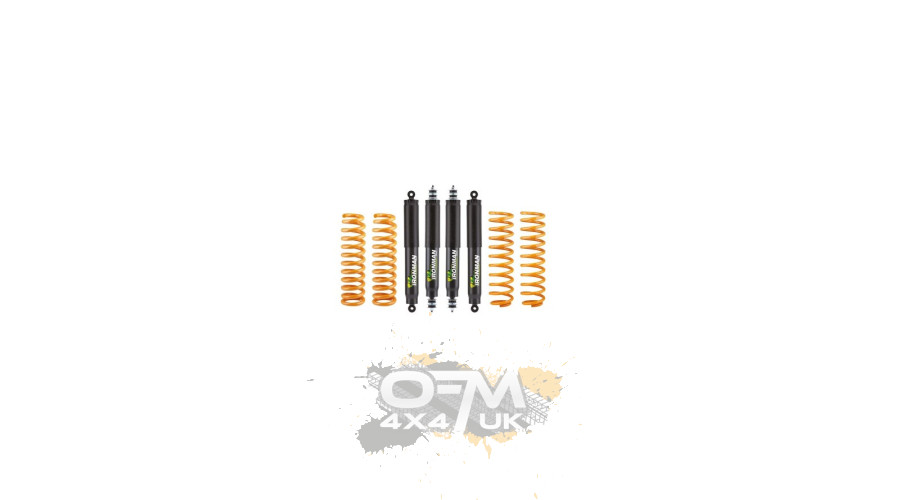
The related shocks and struts illustrate different suspension applications; they are not interchangeable because they share a brand. Confirm chassis, mounting arrangement and kit compatibility before ordering.
OFM4x4.co.uk can help identify the intended component when you provide the vehicle details and existing part numbers. Give installation work to a suitably equipped fitter.
Manufacturer and reference information
References checked 12 October 2026. Follow the instructions for the actual equipment; examples from another brand do not establish its limits.
Related Products


Leave a comment