







Published 18 November 2026 · OFM4x4.co.uk
Brake pad descriptions such as heavy duty or performance do not replace a fitment and usage check. A vehicle that tows regularly has a different duty pattern from an empty daily driver.
The quick answer
Choose an approved pad and rotor combination for the exact axle and vehicle application. Discuss heat behaviour, noise and road use with the manufacturer or a competent fitter.
Describe the use
Record towing frequency, vehicle load, terrain and whether use is road only. Confirm the trailer's brakes and the towing setup separately. A pad cannot correct an overloaded vehicle.
Compare the right data
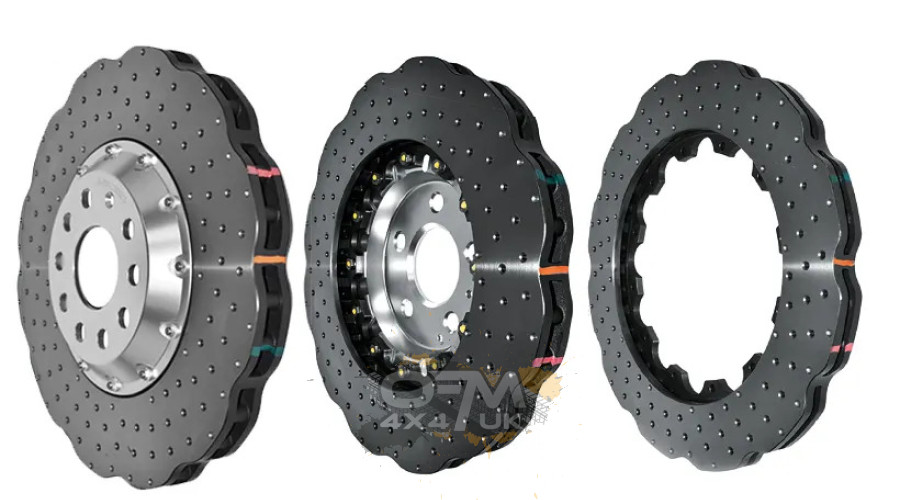
Check the manufacturer's part finder and technical notes, including compatibility with the rotor. Do not assume all pad compounds work at the same temperature or produce the same dust and noise.
Inspect the existing brakes
A sticking caliper, worn rotor or poor hydraulic condition needs repair before changing compounds. Compare both sides and ask for measured rotor thickness against the specific limit.
Commission correctly
Follow the pad and rotor maker's bedding instructions, then road-test with a qualified fitter. Monitor changes in pedal feel, pulling or vibration promptly.
Specification checklist
Before ordering or booking work, have these details ready: Vehicle and axle variant, fitted rotor code, towing pattern, existing pad code and symptoms.
Frequently asked questions
Will a more aggressive pad shorten stopping distance in every situation?
No. Performance depends on the complete system and operating conditions.
For an application check, contact OFM4x4.co.uk with the vehicle and component details above. Confirm the current fitting instructions for the exact product before work starts.
Technical reference: www.dbabrakes.co.uk. The relevant product manual takes priority over general guidance.
Related Products


Leave a comment