


-32x32h.jpg)


-32x32h.jpg)

-32x32h.jpg)


-1000x1000h-32x32.jpg)


-32x32.png)


-32x32w.jpg)


-150x150h.jpg "Fabryka 4x4 Front Winch Bumper with Bullbar Toyota Land Cruiser HZJ 71 99-07")
-150x150h.jpg "Fabryka 4x4 Front Winch Bumper with Bullbar Toyota Land Cruiser HZJ 71 99-07")
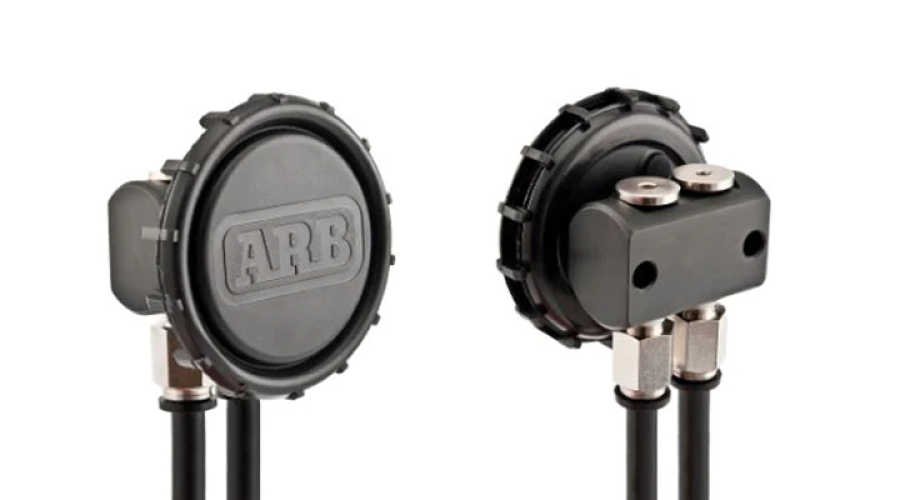
In the world of off-roading and automotive performance, the ARB Differential Breather Kit has become a staple for many enthusiasts. But what exactly is it, and why is it so crucial for your vehicle? This comprehensive guide will delve deep into the world of differential breathers, their importance, and how the ARB kit stands out.
Understanding the Basics: What is a Differential Breather?
A differential breather, often referred to simply as a "breather," is a small device that allows the differential (and other components like the gearbox) to "breathe." As the differential heats up during operation, the air inside expands. The breather ensures that this expanding air can escape, preventing pressure buildup. Conversely, when the differential cools down, the breather allows air to re-enter, preventing a vacuum from forming.
The Purpose of the ARB Differential Breather Kit
The ARB Differential Breather Kit serves a vital purpose in ensuring that your vehicle's differential and other components can breathe freely. It is designed to provide a high-flow, zero-restriction path for air to move in and out of the differential. This is especially crucial when off-roading, as water crossings can cause rapid temperature changes, leading to pressure fluctuations inside the differential.
Is a Differential Breather Kit Necessary?
While many vehicles come with factory-installed breathers, these are often not adequate for off-road conditions. The factory breathers are typically short and can easily become submerged during water crossings, allowing water to enter the differential. This can lead to catastrophic damage. An aftermarket breather kit, like the ARB Differential Breather Kit, provides an extended and elevated breather point, ensuring that water and debris stay out of your differential.
Why Install a Differential Breather?
- Protection from Water and Debris: The primary reason to install a differential breather is to prevent water and debris from entering the differential during off-road adventures.
- Pressure Regulation: A breather helps regulate the pressure inside the differential, preventing seals from blowing out due to excessive pressure.
- Extended Component Life: By keeping contaminants out and regulating pressure, a breather can extend the life of your differential and related components.
How Do You Install a Differential Breather Kit?
- Locate the Factory Breather: Start by locating the factory breather on your differential.
- Remove the Factory Breather: Using the appropriate tools, remove the factory breather.
- Install the ARB Breather: Attach the ARB breather in place of the factory breather.
- Route the Breather Hose: Ensure that the hose is routed away from any moving parts and hot surfaces. It should be elevated to a high point in the engine bay or another suitable location.
- Secure the Hose: Use cable ties or suitable clamps to secure the hose in place.
- Test: Before heading out, ensure that the breather is working correctly by checking for any leaks or obstructions.
Where Does the Breather Hose Go?
The breather hose should be routed to a high point in the engine bay, away from potential water and debris. This ensures that even during deep water crossings, the breather remains above the water level.
What Component is Most Likely to Suffer Damage from a Plugged Breather in a Manual Transmission?
When a breather is plugged into a manual transmission, the most likely component to suffer damage is the transmission seal. A blocked breather can cause pressure to build up inside the transmission, leading to the seal blowing out. This can result in transmission fluid leaks and potential damage to the transmission itself.
Which Cars Were Manufactured with Differential Breathers as Standard?
Most modern vehicles come with some form of differential breather as standard. However, these are often basic and not suitable for off-road conditions. Popular off-road vehicles like the Jeep Wrangler, Toyota Land Cruiser, and Ford Bronco typically come with factory-installed breathers, but many enthusiasts choose to upgrade to aftermarket kits for better performance.
What is the Breather Plug on a Gearbox?
The breather plug on a gearbox serves the same purpose as a differential breather. It allows the gearbox to "breathe," letting expanding air escape and preventing a vacuum from forming when the gearbox cools. This helps regulate pressure inside the gearbox and prevents damage to the seals.
Do All Diffs Have Breathers?
Almost all differentials come with some form of breather. However, the design and effectiveness of these breathers can vary. While most are adequate for regular driving conditions, off-roading and other extreme conditions can necessitate an aftermarket breather kit.
How Does a Breather Box Work?
A breather box, often used in conjunction with a differential breather, is a container that captures and condenses any oil or moisture that might be carried out with the escaping air. This prevents oil and moisture from contaminating the engine bay or the environment. The condensed oil then drains back into the differential or gearbox.
How Do You Install a Diff Cover?
- Drain the Differential Fluid: Before installing a new diff cover, you'll need to drain the existing fluid.
- Remove the Old Cover: Using the appropriate tools, remove the old differential cover.
- Clean the Mounting Surface: Ensure that the mounting surface is clean and free of old gasket material or sealant.
- Apply Sealant: Apply a suitable sealant or gasket to the new diff cover.
- Install the New Cover: Position the new cover in place and tighten the bolts in a crisscross pattern to ensure even pressure.
- Refill with Differential Fluid: Once the cover is securely in place, refill the differential with the appropriate fluid.
In conclusion, the ARB Differential Breather Kit is an essential upgrade for anyone serious about off-roading. It offers superior protection for your differential and other components, ensuring that your adventures go smoothly. Whether you're crossing rivers or climbing mountains, make sure your vehicle is equipped with the best. Safe travels!
Related Products
-1000x1000-250x250.jpg "ARB Differential Breather Kit - 2 Breathes")
-1000x1000-250x250.jpg "ARB Differential Breather Kit - 2 Breathes")


Leave a comment