






Published 23 November 2026 · OFM4x4.co.uk
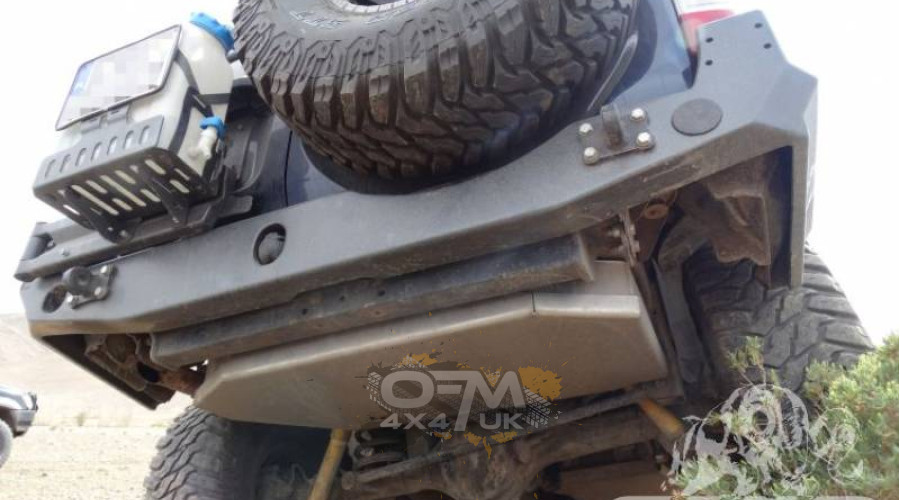
A larger tank extends possible range but adds mass when filled and occupies space underneath the vehicle. It must be considered with the rest of the build.
The quick answer
Check the tank's exact vehicle and exhaust compatibility, its mounting instructions and the filled weight against permitted vehicle and axle loads. Do not promise a fixed range from capacity alone.
Verify the variant
Body length, engine, exhaust and spare-wheel position can affect fitment. Confirm the tank's part number and whether a transfer pump, gauge interface or filler modification is required.
Account for fuel mass
Estimate additional loaded mass using the fuel type and extra usable capacity, then compare with remaining axle and gross-weight margin. The full tank is a variable load, not free capacity.
Protect ground clearance
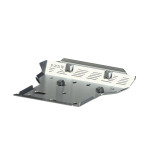
Review where the tank sits relative to guards, suspension travel and departure angle. The maker's approved mounting arrangement and heat shielding matter as much as the shell material.
Commission and inspect
Have a competent installer leak-test and check fuel gauge behaviour, venting and clearance. Reinspect mounts and lines after the first journey. Stop using the system if fuel smell or leakage appears.
Specification checklist
Before ordering or booking work, have these details ready: Vehicle and engine variant, tank code, baseline axle weights, exhaust and spare configuration.
Frequently asked questions
Will a bigger tank always double my range?
No. Usable volume and consumption change with load, terrain and driving conditions.
For an application check, contact OFM4x4.co.uk with the vehicle and component details above. Confirm the current fitting instructions for the exact product before work starts.
Technical reference: www.gov.uk. The relevant product manual takes priority over general guidance.
Related Products


Leave a comment