






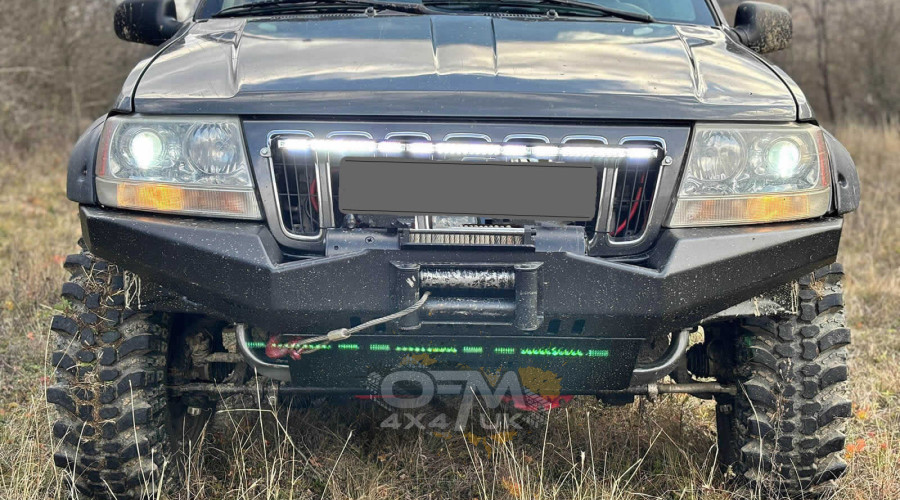
Published 21 November 2026 · OFM4x4.co.uk
An aftermarket bumper may include holes for original parking sensors, but that does not guarantee the sensors will work as before. Their angle, mounting depth and nearby metal matter.
The quick answer
Confirm the exact bumper variant and sensor kit before ordering. Have the complete installation tested on the vehicle, including any cameras, radar and washer systems that the original bumper carried.
Inventory the original equipment
Photograph each sensor, bracket, wiring connector and camera before removal. Note whether the vehicle has blind-spot or driver-assistance hardware in or behind the bumper. A body-style match is not enough.
Check the bumper design
Look for supplied sensor holders and documented compatibility with the vehicle year and trim. Ask how the metalwork affects sensor position and whether original bezels can be reused. Do not drill a new location without maker approval.
Protect the harness
Plan a route away from sharp edges, hot components and recovery equipment. Leave service access to disconnect it during bumper removal. Use compatible connectors and weather protection as specified.
Verify operation
Test the sensors in the relevant modes with a competent installer. If the vehicle uses radar or camera calibration, follow the manufacturer procedure. Resolve false alerts before handing the vehicle back.
Specification checklist
Before ordering or booking work, have these details ready: Vehicle year, trim, bumper code, all sensor and camera equipment, and clear photographs.
Frequently asked questions
Will sensor holes alone guarantee compatibility?
No. Holder design, angle, wiring and any required calibration must also be checked.
For an application check, contact OFM4x4.co.uk with the vehicle and component details above. Confirm the current fitting instructions for the exact product before work starts.
Technical reference: media.ironman4x4.com. The relevant product manual takes priority over general guidance.
Related Products


Leave a comment