






Published 22 November 2026 · OFM4x4.co.uk
A trailer's vertical load acts on the towbar and changes how the towing vehicle carries weight. A heavy roof setup or rear drawer system can reduce the remaining margin.
The quick answer
Check the tow vehicle, towbar and trailer limits, then measure the actual loaded combination. Use the lowest applicable nose-weight limit and stay within axle and gross weights.
Gather the ratings
Read the vehicle handbook, towbar plate and trailer instructions. Permitted trailer mass and vertical coupling load are different figures. Do not use a towbar accessory rating as permission to exceed the vehicle limit.
Measure with travel equipment
Load passengers, fuel, tools and luggage as they will travel. Check axle weights and the trailer's coupling load with suitable equipment. Moving cargo may change stability and axle loads.
Check suspension assumptions
Helper springs or a heavy-load rear spring can improve stance for a compatible setup, but do not raise the approved vehicle or towbar ratings. A level-looking vehicle may still be overloaded.
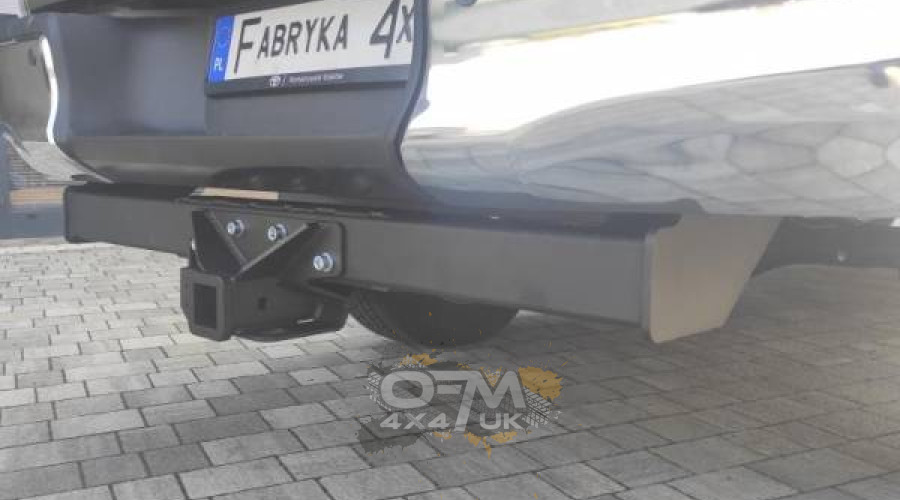
Inspect the hitch
Confirm the correct coupling, safety equipment, electrical socket and clearance through turns. Recheck attachment hardware to the towbar maker's installation instructions.
Specification checklist
Before ordering or booking work, have these details ready: Vehicle variant and ratings, towbar code, trailer plate, measured nose weight and axle loads.
Frequently asked questions
Does fitting helper springs let me carry more nose weight?
No. They do not alter the legal vehicle, axle or coupling limits.
For an application check, contact OFM4x4.co.uk with the vehicle and component details above. Confirm the current fitting instructions for the exact product before work starts.
Technical reference: www.gov.uk. The relevant product manual takes priority over general guidance.
Related Products


Leave a comment