








Published 20 November 2026 · OFM4x4.co.uk
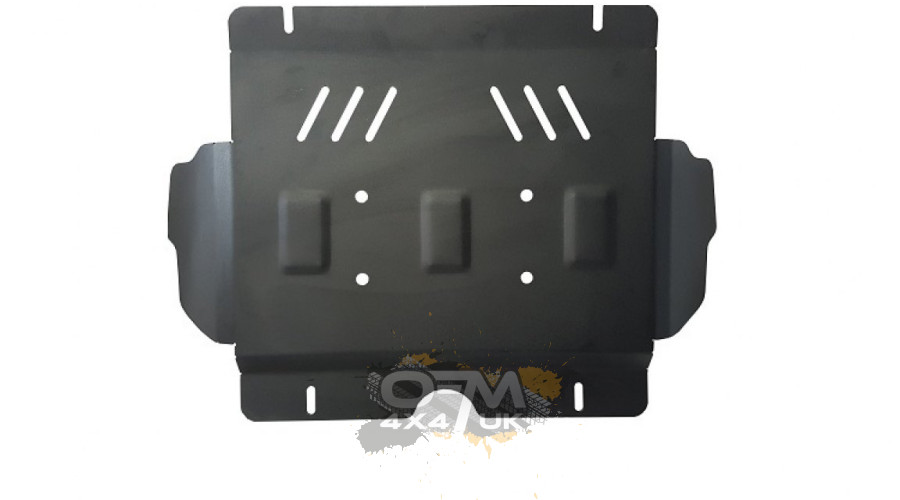
Material alone does not tell you how a sump guard will protect a specific vehicle. Shape, thickness, mounting points, service access and intended impacts all matter.
The quick answer
Compare the complete guard and mounting system for the exact vehicle and bumper arrangement. Choose on use, weight and fitment, then inspect it after contact.
Describe the route
Repeated hard impacts, road debris and occasional ruts create different demands. Avoid assuming one material is universally stronger; thickness, grade and geometry influence the result.
Check the installation
Confirm compatibility with factory or aftermarket bumper, recovery points and adjacent guards. Make sure brackets attach to the specified points and that fasteners and clearances match the maker's instructions.
Plan maintenance
Find oil drains, filter access and trapped-mud pockets before buying. A guard that must be removed for service needs a repeatable refitting procedure. Record any supplied spacers and washers.
Inspect after contact
Check deformation, cracked brackets and bolt condition, including points hidden by accumulated mud. A visibly sound plate may still have stressed a mounting point. Repair damaged parts before the next trip.
Specification checklist
Before ordering or booking work, have these details ready: Vehicle year and engine, bumper type, neighbouring guards, intended terrain and service access needs.
Frequently asked questions
Does a thicker plate guarantee better protection?
No. Mount design, geometry, material grade and vehicle fitment are also important.
For an application check, contact OFM4x4.co.uk with the vehicle and component details above. Confirm the current fitting instructions for the exact product before work starts.
Technical reference: ofm4x4.co.uk. The relevant product manual takes priority over general guidance.
Related Products


Leave a comment