









Published 24 October 2026 · OFM4x4.co.uk
A sump guard is a useful part of an off-road build, but routine servicing still needs to be practical. A plate may have an access opening, require removal, or be part of an overlapping set.
Ask about servicing before installation. Knowing the procedure helps the workshop allow sufficient time and keeps the correct hardware with the correct plate.
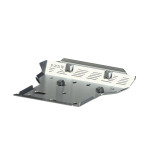
Check the exact guard's service procedure for your engine and gearbox. Do not assume all plates allow an oil change without removal. Preserve supplied spacers and fasteners, follow refitting instructions and resolve any contact or clearance issue before driving.
Identify the complete application
Give the supplier the vehicle model, production year, engine, gearbox and any relevant bumper or existing protection. A guard sold for a chassis family may still have application conditions.
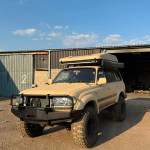
The related J80 guard is intended for a specific Fabryka bumper arrangement. A similar-looking plate is not proof that its mounting arrangement will suit a standard bumper.
Ask how servicing is performed
Establish whether the drain plug and filter can be reached directly, through a removable cover or only after removing the main guard. Check this against the actual engine rather than a generic photograph.
ARB describes service access as part of its protection design, while individual RIVAL products identify their own access ports. Those examples do not establish the service procedure for a Fabryka guard.
Plan the drain path
Ask the workshop how it will control draining fluid with the plate fitted or removed. An opening near the plug does not necessarily prevent fluid landing on the plate or being retained above it.
Include any access cover in the service checklist. Fluid trapped on a guard can make later observations confusing; establish a clean reference after the work is complete.
Keep the installation hardware together
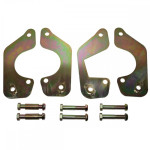
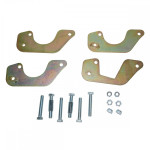
When removal is required, record plate positions and keep the supplied spacers, brackets and fasteners identified. Do not substitute washers or omit a spacer because the plate appears to fit.
A heavy plate should be supported during removal and refitting using appropriate workshop equipment. Never work under a vehicle supported only by a jack.
Verify the refit
Use the guard instructions for assembly order, torque and any fastener replacement. Confirm the intended clearances and that service covers are secured.
If the plate touches the exhaust, steering or drivetrain, do not accept bending or trimming as an automatic solution. Have the application and installation reviewed by the supplier or fitter.
| Before booking | Information to provide |
|---|---|
| Guard | Brand, part number and fitted sections |
| Service access | Cover access or main plate removal |
| Hardware | Spacers, assembly order and torque instructions |
| Vehicle changes | Bumper, drivetrain or existing guards |
Book servicing with useful details
Provide the workshop with the guard model and fitting instructions before the appointment. Ask it to record removal and refitting on the invoice, especially where access differs from the original vehicle.
Contact OFM4x4.co.uk with the vehicle configuration and existing bumper details for help selecting the correct guard before installation.
Manufacturer and reference information
References checked 12 October 2026. Follow the instructions for the actual equipment; examples from another brand do not establish its limits.
Related Products



Leave a comment