


-32x32h.jpg)


-32x32h.jpg)

-32x32h.jpg)


-1000x1000h-32x32.jpg)


-32x32.png)


-32x32w.jpg)






-1000x1000w-150x150.jpg "DT Adventure Portable Camping 55L Compressor Car Fridge Freezer")
-1000x1000w-150x150.jpg "DT Adventure Portable Camping 55L Compressor Car Fridge Freezer")



Published 17 October 2026 · OFM4x4.co.uk
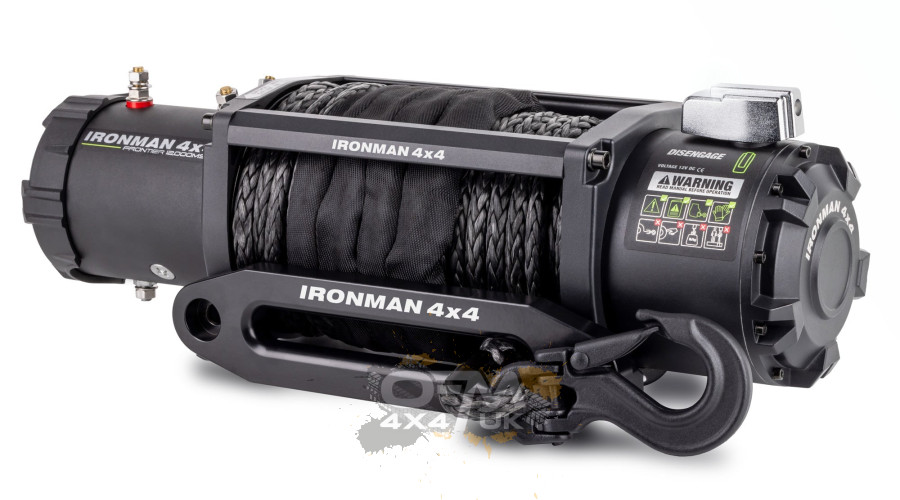
Inspect a winch electrical installation before a trip: battery terminals, cable protection, controls, corrosion and changes in operating behaviour.
The quick answer
Inspect the complete electrical installation using the exact winch manual. A winch that runs briefly without load has not demonstrated reliable operation under recovery conditions.
Find the correct wiring and maintenance information
Record the winch model, control arrangement and any installation changes. Keep the wiring diagram and maintenance instructions accessible. Different winches and control systems can require different connections, protection and isolation arrangements.
WARN’s maintenance advice includes clean, secure battery connections and attention to controls. Use that as a starting point for inspection, then follow the manual for your own model. Do not transfer a wiring instruction or component rating from an unrelated winch.
Inspect the supply connections
Make the system safe according to its instructions before inspecting it. Look for corrosion, looseness, damaged terminal hardware and signs of heat. Inspect the cable connection at the battery as well as other accessible connection points in the documented circuit.
A battery can look tidy while a connection underneath a cover has deteriorated. Equally, visible corrosion should not be treated as a purely cosmetic issue. Have damaged hardware assessed and repair the cause rather than applying a coating over a loose or compromised connection.
Follow cables through vulnerable areas
Look for rubbing at body edges, crushed insulation, unsupported runs and routing near heat or moving parts. Check places affected by recent bumper work or accessory fitting. Protective sleeving does not make an unsuitable route acceptable.
Do not replace a cable with an arbitrary smaller size, omit a required connection or bypass an installed protective device to improve speed. Cable length, current demand, routing and manufacturer requirements belong in one installation assessment by a competent installer.
Check the control interface
Inspect accessible remote sockets, covers and leads for moisture, debris and physical damage. Follow the manual for cleaning and storage. If a wireless controller is fitted, check its condition and power requirements before the trip rather than discovering a problem at the recovery site.
A control fault and a supply fault can produce similar complaints. Record whether the winch fails to respond, stops unexpectedly or changes behaviour with a particular controller. Do not improvise jumpers across a control system to diagnose it without the manufacturer’s procedure.
Make a controlled pre-trip check
Use a safe, manufacturer-approved test arrangement and keep people away from the line and moving parts. An unloaded operation can check basic response, but it cannot establish full loaded performance. Follow the manual’s duty-cycle and thermal guidance.
Stop if there is unexpected heat, smoke, damaged insulation or erratic operation. Resolve the fault before relying on the winch. Send OFM4x4.co.uk the model, photographs and a precise symptom description when seeking parts or installation advice.
Frequently asked questions
Does a quick spool test prove the wiring is good?
It confirms limited basic operation. High-load performance requires an appropriate assessment.
Should I tighten every electrical terminal as hard as possible?
No. Use the specified procedure and torque where provided; damaged connections need repair.
Can I bypass a component to get the winch working?
Do not bypass the specified installation or protection. Diagnose the fault using the exact manual.
Manufacturer reference: WARN winch maintenance guidance. Use the current instructions for your exact equipment.
Related Products


Leave a comment