


-32x32h.jpg)


-32x32h.jpg)

-32x32h.jpg)


-1000x1000h-32x32.jpg)


-32x32.png)


-32x32w.jpg)






-1000x1000w-150x150.jpg "DT Adventure Portable Camping 55L Compressor Car Fridge Freezer")
-1000x1000w-150x150.jpg "DT Adventure Portable Camping 55L Compressor Car Fridge Freezer")



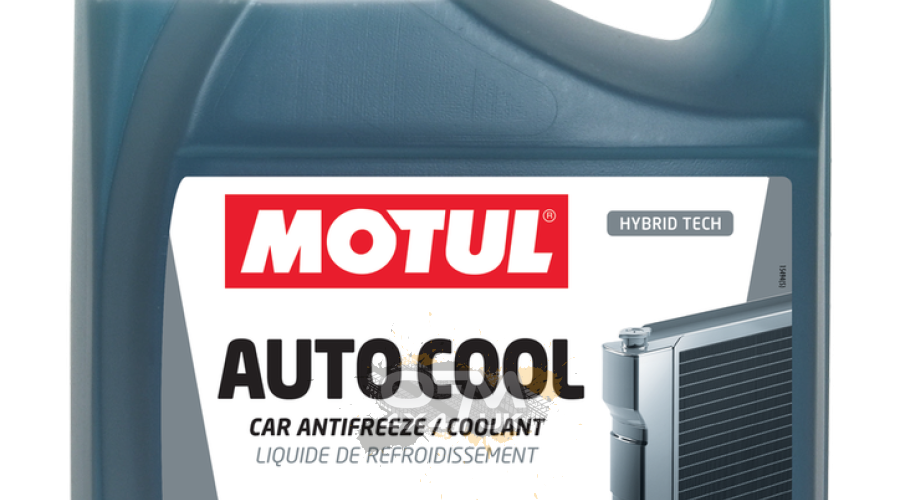
Coolants & Antifreeze: Your Vehicle's Lifeline
Coolants and antifreeze are essential for keeping your vehicle's engine running smoothly. These liquids help to regulate your car's temperature, preventing overheating in the summer and freezing during the winter months. Without coolants and antifreeze, your engine could become damaged and require expensive repairs. In this section, we'll explore the importance of coolants and antifreeze, how they work, and the various types and brands available to help you make an informed decision for your vehicle.
Key Takeaways
- Coolants and antifreeze are crucial for maintaining your car's engine health.
- They regulate your car's temperature, preventing overheating in the summer and freezing in the winter.
- Proper maintenance of your coolant system can help prevent expensive engine repairs.
- There are various types and brands of coolants and antifreeze, so it's important to choose the right one for your vehicle.
- Regular coolant flushes are necessary to maintain the efficiency of your cooling system.
Understanding Coolants & Antifreeze
Automotive coolants or engine coolants are a crucial element in maintaining the performance and health of your vehicle. They are also referred to as radiator coolant and play a vital role in regulating the temperature of your engine. Without them, your engine would overheat, leading to severe damage that could be costly to repair.
Coolants, including antifreeze, work by absorbing the heat generated by the engine and transferring it to the radiator, where it is dissipated into the air. As the name suggests, antifreeze lowers the freezing point of the coolant mixture, preventing it from solidifying in colder temperatures and causing damage to the engine.
There are different types of coolants available, with some specifically designed for engines and others for radiators. Each type has its properties that determine its effectiveness and suitability for specific vehicles. For example, ethylene glycol-based coolants are common for automobiles. In contrast, propylene glycol-based coolants are often used in organic-based engines, including boats and RVs, since they are less toxic and pose less of a threat to the environment.
Table: Types of Coolants and Their Properties
| Coolant Type | Properties |
|---|---|
| Ethylene glycol-based coolant | Most commonly used for automobiles. Toxic to animals if ingested. |
| Propylene glycol-based coolant | Commonly used in organic-based engines. Less toxic and non-hazardous to the environment. |
| Organic acid technology coolant | Extended life coolant. Typically used in newer models of vehicles. Phosphate and silicate-free. |
| Hybrid organic acid technology coolant | Mix of inorganic and organic components, compatible with a diverse range of engine types. |
Note that selecting the best coolant for your vehicle requires careful consideration of several factors, including compatibility, recommendations from the manufacturer, and brand reputation. Failure to choose the right coolant type could lead to significant engine damage, necessitating costly repairs or engine replacement.
The Importance of a Coolant Flush
Regular maintenance of your vehicle's coolant system is important for the health and longevity of your engine. One of the most crucial aspects of this maintenance is performing a coolant flush, which involves completely draining the old coolant and replacing it with new fluid.
A coolant flush is necessary because over time, the coolant in your vehicle's system can become contaminated with rust, dirt, and other debris. This can cause the fluid to lose its effectiveness in regulating the engine temperature, which can lead to overheating, corrosion, and other damage to the engine.
By performing a coolant flush, you can effectively flush out any buildup or contaminants in the system, ensuring that your engine is protected and running at optimal performance. While the recommended interval for coolant flushes varies depending on the make and model of your vehicle, a good rule of thumb is to have it done every two years or 30,000 miles, whichever comes first.
It's important to have a professional mechanic perform the coolant flush to ensure that it is done correctly and to prevent any potential issues. Additionally, it's crucial to use the right type of coolant for your vehicle, as using the wrong type can cause damage to the engine and cooling system.
Different Coolant Types
When it comes to selecting the right coolant for your vehicle, understanding the different coolant types available in the market is crucial. Here are some of the most popular options:
| Coolant Type | Properties | Benefits | Compatibility |
|---|---|---|---|
| Ethylene Glycol-based coolant | Contains ethylene glycol and other additives to lower freezing point and raise boiling point | Excellent heat transfer properties, readily available, compatible with most vehicles | Not compatible with some aluminium or magnesium components, harmful if ingested |
| Propylene Glycol-based coolant | Contains propylene glycol and other additives to provide freeze protection and prevent corrosion | Non-toxic, less harmful to the environment, compatible with a wide range of materials and vehicles | Lower heat transfer properties than ethylene glycol-based coolants, not recommended for extreme temperatures |
| OAT (Organic Acid Technology) coolant | Contains organic acids and additives to provide long-lasting protection and reduce coolant loss | Extended coolant life, reduced engine wear, low maintenance, environmentally friendly | Not compatible with silicate-based coolants, may not be suitable for older vehicle models |
In conclusion, selecting the right coolant type for your vehicle depends on various factors such as the vehicle model, driving conditions, and coolant properties. Researching and comparing different options can help you make an informed decision and ensure the longevity and optimal performance of your vehicle's cooling system.
Enhancing Coolant Performance with Additives
When it comes to maintaining your vehicle's cooling system, using a reliable coolant is essential. However, did you know that you can further enhance the performance of your chosen coolant by using additives? Coolant additives can address specific issues that regular coolants may not sufficiently prevent. Let's take a look at some of the most popular types of coolant additives available and how they can benefit your engine:
| Additive Type | Benefits |
|---|---|
| Corrosion inhibitors: | These additives are designed to protect your engine from rust and corrosion, which can be caused by exposure to oxygen and other contaminants in the coolant system. |
| Seal conditioners: | If your engine is experiencing some leaks, seal conditioners can help to swell and soften the seals slightly, closing small leaks and extending their life. |
| Anti-foaming agents: | These additives reduce foaming or bubbles that can occur in the coolant system, which can help to preserve the efficiency of the cooling system. |
| Water pump lubricants: | The addition of water pump lubricants can reduce the friction and wear on your vehicle's water pump, prolonging its lifespan and preserving its performance. |
It's important to note that not all coolants are compatible with all types of additives. Before adding any additives, check that they are safe to use with your chosen coolant and consult your manufacturer's recommendations. Also, be sure to follow the dosage instructions to prevent overuse, which can result in damage to your engine.
In summary,
Coolant additives can provide additional protection and care for your engine, ensuring a long and healthy lifespan for your vehicle. Consider incorporating additives into your regular maintenance routine to enhance the performance and effectiveness of your chosen coolant.
Choosing the Best Coolant for Your Car
Choosing the right coolant for your car is crucial for maintaining its optimal performance. Consider the following factors to select the best coolant for your specific vehicle:
- Compatibility: Ensure that the coolant is compatible with your car's make and model. Using the wrong coolant can cause damage to your engine.
- Brand Reputation: Opt for a reputable brand with a proven track record of producing high-quality coolants. This can provide you with peace of mind and guarantee the longevity of your engine.
- Manufacturer Recommendations: Consult your car's owner manual or contact the manufacturer to determine their recommended coolant type and specifications.
Most modern cars use ethylene glycol-based coolants, which are known for their excellent heat transfer capabilities and protection against corrosion. However, some car manufacturers may recommend other types of coolants, such as propylene glycol-based coolants in newer models.
It is vital to choose the correct coolant for your vehicle. Using the wrong type of coolant can reduce the life expectancy of the engine and cause permanent damage. It's therefore recommended to rely on your manufacturer's recommendations when selecting a coolant.
Considerations such as freezing point, boiling point, and the coolant's lifespan can also influence your decision. Be sure to check the coolant's specification and its compatibility with your car's needs to make an informed decision.
| Coolant | Freezing Point | Boiling Point | Lifespan |
|---|---|---|---|
| Green Coolant | -37°C | 129°C | 2-3 years or 50,000-100,000 miles |
| Long Life Coolant | -57°C | 108°C | 5 years or 150,000 miles |
| OAT Coolant | -44°C | 115°C | 5 years or 150,000 miles |
Ultimately, choosing the best coolant for your car is essential for keeping your engine running smoothly. Take the time to consider your options and consult with a professional mechanic if you have any doubts or concerns.
Understanding the Freezing Point of Coolant
It's important to consider the freezing point of coolant, especially if you live in a colder climate. Unlike water, which freezes at 0°C, automotive coolants can have different freezing points depending on their chemical composition and concentration. If your coolant freezes, it can cause serious damage to your vehicle's engine and cooling system.
When coolant freezes, it expands, which can cause components to crack or even the engine block itself to burst. This can result in expensive repairs or even a total engine replacement. Additionally, frozen coolant cannot circulate through the engine, which can lead to overheating and further damage.
The solution is to use antifreeze, which is a type of coolant that contains additives to lower its freezing point. Most antifreeze is made with a chemical called ethylene glycol, which has a freezing point of around -13°C when used at a 50/50 concentration with water. This means that in most conditions, your coolant will remain in a liquid state and provide the necessary engine protection.
Freezing Points of Different Coolant Concentrations
| Coolant Concentration | Freezing Point (°C) |
|---|---|
| 0% | -0.9 |
| 25% | -7 |
| 50% | -13 |
| 75% | -34 |
| 100% | -54 |
The table above illustrates the relationship between coolant concentration and freezing point. As you can see, the more concentrated the coolant, the lower its freezing point. However, it's important to note that using undiluted coolant can negatively impact its thermal conductivity, meaning it may not be as effective as a coolant/water mixture at regulating engine temperature.
In summary, understanding the freezing point of your coolant and using the appropriate antifreeze can help prevent costly engine damage. Be sure to check your owner's manual for recommended coolant types and concentrations, and consider having a coolant flush and refill at the recommended intervals to ensure optimal engine health.
Popular Antifreeze Brands
Choosing the right antifreeze brand for your vehicle can be a daunting task, given the vast array of options available in the market. To help you make a well-informed decision, we have compiled a list of some of the top antifreeze brands, detailing their unique features, reputation, and customer feedback.
| Brand Name | Features | Reputation | Customer Reviews |
|---|---|---|---|
| Shell Rotella ELC | Ethylene glycol-based chemistry; long-lasting protection; low-silicate, low pH, and phosphate-free formula; patented Shell technology | Trusted global brand with a reputation for quality and innovation | "Great value for money," "Protects my engine from corrosion and overheating," "Highly recommended for heavy-duty trucks" |
| Peak Long Life | Propylene glycol-based formula; extended-life coolant; low silicate and phosphate-free; meets ASTM D3306 and GM specification | Renowned for producing high-quality and reliable auto products | "Perfect for my vintage car," "Never had any issue with overheating," "Great for extreme temperatures" |
| Zerex G-05 | Hybrid organic acid technology; low-silicate, low-molybdate, and phosphate-free formula; suitable for all American, Asian, and European vehicles | Experienced and reputable brand known for manufacturing high-performance engine coolants | "Impressed with its long-lasting protection," "Does not corrode aluminum parts," "One of the best options out there" |
| Valvoline Zerex | Hybrid organic acid technology; low-silicate, low-molybdate, and phosphate-free formula; meets ASTM D3306 and GM specification | Well-established and trusted brand with a strong focus on continuous improvement | "Great for high mileage cars," "Keeps my engine running smoothly," "Highly recommended for older vehicles" |
Keep in mind that choosing the right antifreeze brand depends on your specific vehicle model and requirements. Always refer to the manufacturer's recommendations and seek advice from a qualified professional before making any purchase.
Maintenance Tips for Coolants & Antifreeze
Regular maintenance of your vehicle's cooling system is crucial for the optimal performance and longevity of your engine. Here are some essential tips to keep your coolants and antifreeze in top condition:
1. Check Coolant Levels Regularly
It's important to check your coolant levels regularly to avoid overheating or damage to your engine. To do this, wait until your engine has cooled down, and then remove the coolant reservoir cap. Check that the coolant level is above the minimum line but below the maximum line. If necessary, top up the coolant with the correct type and ratio of water.
2. Maintain Recommended Coolant to Water Ratio
Each type of coolant has a recommended ratio of coolant to water to ensure optimal performance. Check your car's manual to find out the recommended ratio for your specific vehicle and ensure you maintain it.
3. Perform Regular Coolant Flushes
A coolant flush means draining the old coolant and replacing it with fresh coolant. Experts recommend flushing the cooling system every two years or after a certain number of miles, depending on your vehicle's manufacturer's instructions. This helps remove contaminants that can damage your engine and improves your coolant’s performance.
4. Consider Using Coolant Additives
You can enhance your coolant's effectiveness by using additives. For example, rust inhibitors, corrosion inhibitors, and water pump lubricants can help extend the life of your engine’s cooling system.
5. Look Out for Signs of Coolant-Related Issues
Keep an eye out for warning signs of coolant issues, such as low coolant levels, overheating, and a sweet smell coming from the engine. If your engine shows any of these signs, don't ignore them. Addressing the problem early can prevent more costly damage down the line.
By following these tips, you can help keep your vehicle's cooling system healthy and prolong the life of your engine. Remember, your engine's health is only as good as the care you put into it.
Conclusion
In conclusion, coolants and antifreeze play a crucial role in ensuring your vehicle's engine remains healthy and performs optimally. By understanding the different types of coolants and antifreeze available, their purpose, and the importance of regular maintenance such as coolant flushes, you can prevent costly damage caused by overheating or freezing. Choosing the right coolant for your specific vehicle, considering factors such as compatibility and brand reputation, is also essential in maximizing its longevity and performance.
Make sure to stay informed of your cooling system's condition by regularly checking the coolant levels and watching out for any signs of coolant-related issues. We hope the information provided in this article has been valuable and informative, helping you prioritize the care of your vehicle's cooling system to ensure a smooth driving experience for years to come.
FAQ
What is the role of coolants and antifreeze in my vehicle?
Coolants and antifreeze play a crucial role in regulating the temperature of your vehicle's engine. They help prevent overheating in hot weather and freezing in colder temperatures, ensuring optimal performance and preventing damage to your engine.
What are the different types of coolants available for automotive use?
There are several types of coolants available for automotive use, including ethylene glycol-based coolants and propylene glycol-based coolants. Ethylene glycol-based coolants are commonly used and offer excellent heat transfer properties, while propylene glycol-based coolants are generally considered safer for the environment.
How often should I flush my coolant?
It is generally recommended to flush and replace your coolant every two to five years or according to the manufacturer's guidelines. However, factors such as driving conditions and climate can influence the frequency of coolant flushes. Consulting your vehicle's manual or seeking advice from a professional mechanic is advisable.
Can I mix different types of coolants?
Mixing different types of coolants is not recommended. It can lead to chemical reactions and reduce the overall effectiveness of the coolant, potentially causing damage to your vehicle's cooling system. It is best to stick to the same type of coolant or consult a professional for guidance.
What are coolant additives, and how do they enhance coolant performance?
Coolant additives are products designed to enhance the performance of your coolant. They can help address common issues such as rust, corrosion, and cavitation. Different types of additives offer specific benefits, such as improved heat transfer or extended coolant life.
How do I choose the best coolant for my car?
When choosing a coolant for your car, it is important to consider factors such as compatibility with your vehicle's specifications, the reputation of the coolant brand, and any recommendations from the vehicle manufacturer. Consulting your vehicle's manual or seeking advice from a professional mechanic can help ensure you select the most suitable coolant.
Why is the freezing point of coolant important?
The freezing point of coolant is crucial, especially in colder climates. If the coolant in your engine freezes, it can expand and potentially cause damage, leading to costly repairs. To prevent freezing, it is essential to use antifreeze, which lowers the freezing point of the coolant and provides protection against sub-zero temperatures.
What are some popular antifreeze brands available in the market?
Some popular antifreeze brands in the market include Prestone, Peak, Zerex, and Valvoline. These brands have a strong reputation for quality and performance, and customer reviews can provide insights into their effectiveness. It is important to choose a trusted and reliable brand when purchasing antifreeze for your vehicle.
How can I maintain my vehicle's coolants and antifreeze?
To maintain your vehicle's coolants and antifreeze, it is important to regularly check the coolant level and condition. Additionally, following the recommended intervals for coolant flushes and using reputable products can help ensure optimal performance. Signs of coolant-related issues such as leaks or overheating should be addressed promptly by a professional mechanic.
Related Products


Leave a comment