


-32x32h.jpg)


-32x32h.jpg)

-32x32h.jpg)


-1000x1000h-32x32.jpg)


-32x32.png)


-32x32w.jpg)


-150x150h.jpeg "Fabryka 4x4 Front Steel Winch Bumper for Version With Plastic Wheel Arch Extensions Toyota Land Cruiser J90 99-02")
-150x150h.jpeg "Fabryka 4x4 Front Steel Winch Bumper for Version With Plastic Wheel Arch Extensions Toyota Land Cruiser J90 99-02")
-150x150h.jpeg "Fabryka 4x4 Front Steel Winch Bumper with Bullbar for Toyota Land Cruiser J90 96-99")
-150x150h.jpeg "Fabryka 4x4 Front Steel Winch Bumper with Bullbar for Toyota Land Cruiser J90 96-99")



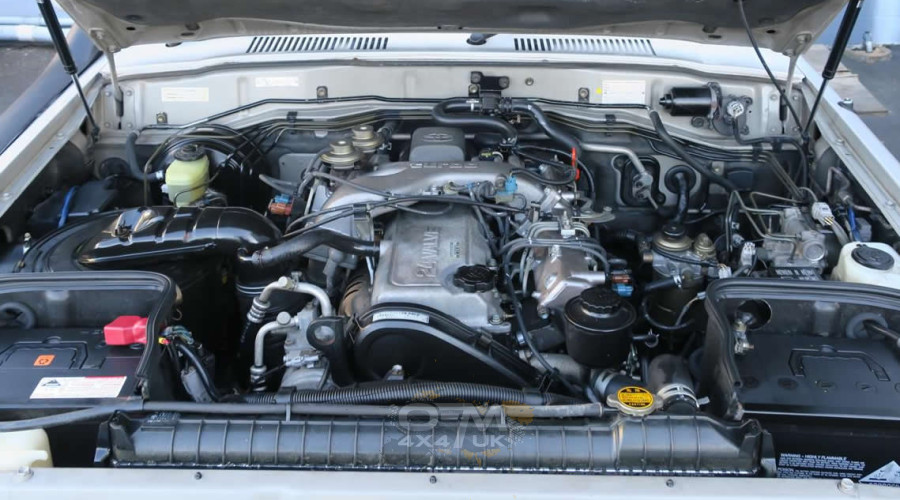
The Toyota Land Cruiser has earned a reputation as one of the most reliable and capable off-road vehicles in the world. The Land Cruiser's legendary performance owes much to its robust engines, and among the notable powertrains, the 4.2 HD-T, 4.2 HD-FT, and 4.2 HD-FTE stand out. In this article, we will explore the differences and similarities between these engines, examining their features, performance, and unique characteristics.
4.2 HD-T Engine
The 4.2 HD-T is an indirect injection turbocharged diesel engine. It features a cast iron block and cylinder head, along with a single turbocharger. This engine produces a respectable amount of power and torque, making it suitable for both on-road and off-road applications. With a reputation for durability, it has been a staple in the Land Cruiser lineup for many years.
4.2 HD-FT Engine
The 4.2 HD-FT is an improved version of the HD-T engine. It stands for "Highly Durable-Fuel Turbocharged." This engine features a few upgrades, including an intercooler and an improved fuel injection system. The intercooler helps lower the intake air temperature, resulting in increased power output and improved fuel efficiency. These enhancements make the HD-FT engine a more refined and efficient choice compared to its predecessor.
4.2 HD-FTE Engine
The 4.2 HD-FTE is another advancement in the Land Cruiser engine lineup. The "E" in FTE stands for "Electronic Fuel Injection," which represents a significant upgrade in fuel delivery. Unlike the previous engines, the HD-FTE employs a direct injection system, delivering fuel directly into the combustion chamber. This technology enhances fuel atomization, resulting in improved combustion efficiency, increased power output, and reduced emissions. Additionally, the HD-FTE engine features an upgraded turbocharger for enhanced performance.
Differences and Similarities
While the three engines share the same displacement and basic architecture, there are notable differences between them:
a) Fuel Delivery System
The HD-T engine utilizes indirect fuel injection, while the HD-FT and HD-FTE engines employ direct fuel injection. This variation in fuel delivery technology significantly impacts their performance and efficiency.
b) Intercooling
The HD-T engine lacks an intercooler, whereas the HD-FT and HD-FTE engines feature intercoolers. Intercoolers help cool the compressed air before it enters the engine, resulting in denser intake air and increased power output.
c) Turbocharging
All three engines are turbocharged. However, the HD-FTE engine incorporates an upgraded turbocharger compared to the HD-T and HD-FT engines. This enhances the overall performance and responsiveness of the engine.
d) Fuel Efficiency
Due to the improved fuel injection systems and intercooler technology, the HD-FT and HD-FTE engines offer better fuel efficiency compared to the HD-T engine. The HD-FTE, with its advanced direct injection system, typically provides the best fuel economy among the three.
Conclusion
The Toyota Land Cruiser's 4.2 HD-T, 4.2 HD-FT, and 4.2 HD-FTE engines each have their own strengths and unique characteristics. While the HD-T is known for its durability, the HD-FT introduces enhanced fuel injection and intercooler for improved performance. The HD-FTE engine takes it a step further with advanced electronic fuel injection, delivering increased power, improved efficiency, and reduced emissions. Whether you prioritize ruggedness, power, or fuel efficiency, Toyota has offered a range of options to cater to different needs in the Land Cruiser engine lineup.
Leave a comment