







Published 30 October 2026 · OFM4x4.co.uk
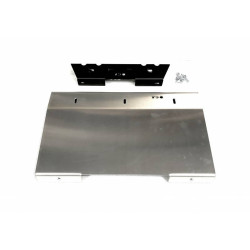
The large aluminium or steel plate draws attention, but its brackets and fasteners form the connection to the vehicle. Their condition deserves its own inspection before a winter of wet-road use.
This is a mounting-hardware check, separate from assessing a plate after an impact. It helps you identify what needs supplier advice before a seized or damaged connection complicates servicing.
Check the complete mounting system, including brackets, specified spacers, fasteners and protective finishes. Follow the guard maker's maintenance and coating instructions. Do not substitute stainless bolts, add insulating washers or apply thread treatments without confirming that the revised assembly is approved.
Identify the original assembly
Find the guard's part number, installation sheet and hardware list. Record any later change to the bumper, brackets or overlapping protection.
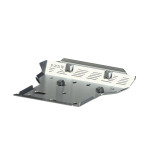
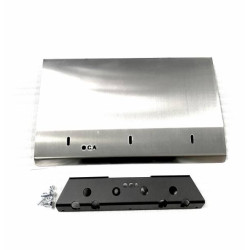
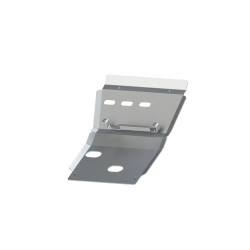
A plate supplied for a particular bumper or chassis arrangement should retain that documented mounting configuration. The related guards are application examples, not interchangeable panels.
Inspect all mounting parts
With safe workshop access, inspect brackets and fasteners as well as the visible lower face. Look for coating loss, corrosion, damaged heads and evidence that a spacer or bracket is missing.
Do not work beneath a vehicle supported only by a jack. If a connection cannot be inspected safely, include it in a workshop appointment rather than reach around loaded equipment.
Treat coatings as part of maintenance
RIVAL describes protective coating as one feature of its skid plate range. That does not mean every guard, bracket or fastener has the same material or finish.
Use the actual manufacturer's care instructions to decide whether coating damage needs cleaning, touch-up or replacement. Avoid coating over an unresolved defect or over identification marks needed for service.
Avoid a universal hardware upgrade
A replacement bolt must meet the specified size, length, grade and locking requirements. A corrosion-resistant appearance alone does not establish suitability.
Likewise, an added washer or a different thread treatment can change the installed connection. Ask the guard supplier before making material or assembly changes, including attempts to isolate dissimilar metals.
Keep access and drainage clear
Inspect the mounting areas and service openings as the instructions require. Note retained debris or restricted access so the fitter can address the cause without altering the plate unnecessarily.
Ask before drilling new drain holes or cutting a bracket. A maintenance concern should be resolved with the correct application and approved method.
| Finding | Next step |
|---|---|
| Damaged fastener head | Identify the specified replacement |
| Coating loss | Check approved finish repair |
| Missing spacer or bracket | Compare with the installation sheet |
| Loose or badly corroded connection | Have the assembly inspected before use |
Record and resolve findings
Photograph the affected connection, record its position and identify the guard and vehicle. If hardware is loose, damaged or structurally corroded, obtain an inspection before using the vehicle.
OFM4x4.co.uk can help identify a guard application and the information needed for a replacement-hardware enquiry. Have repairs and refitting completed to the correct instructions.
Manufacturer and reference information
References checked 12 October 2026. Follow the instructions for the actual equipment; examples from another brand do not establish its limits.
- RIVAL skid plate materials and finish
- RIVAL installation and maintenance conditions
- ARB vehicle-specific mounting design
Related Products



Leave a comment