


-32x32h.jpg)


-32x32h.jpg)

-32x32h.jpg)


-1000x1000h-32x32.jpg)


-32x32.png)


-32x32w.jpg)





-1000x1000w-150x150.jpg "DT Adventure Portable Camping 55L Compressor Car Fridge Freezer")
-1000x1000w-150x150.jpg "DT Adventure Portable Camping 55L Compressor Car Fridge Freezer")


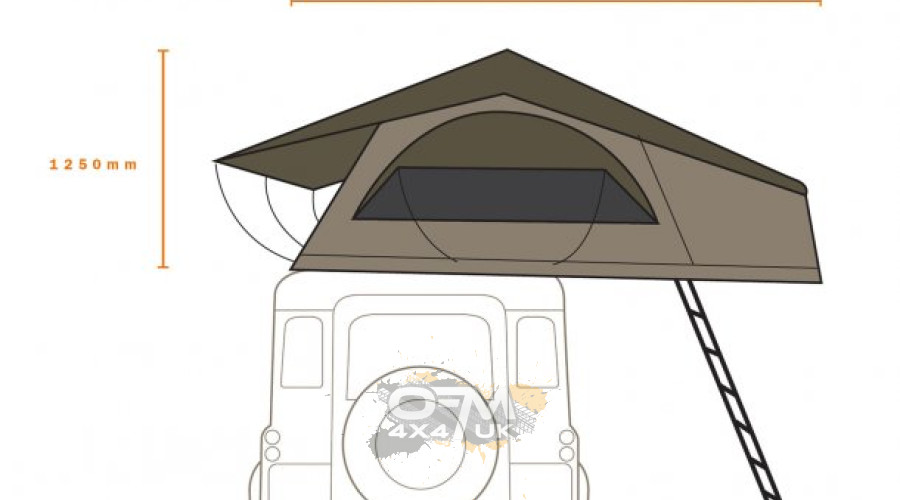
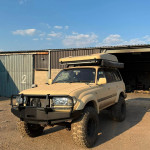
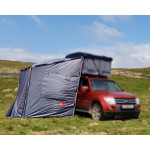
Rooftop tents, a popular choice among modern campers and adventurers, have a rich history that many might not be aware of. These tents, perched atop vehicles, offer a unique camping experience, blending convenience with a touch of luxury. But when were they invented? And why have they become such a sought-after camping accessory? Let's dive into the captivating history of rooftop tents.
When Were Rooftop Tents Invented?
The concept of rooftop tents isn't as contemporary as one might think. The first known rooftop tent was invented in the 1930s. While the exact date remains a subject of debate among historians, it's widely accepted that these tents emerged between the World Wars. The 1930s was a period of great innovation and exploration, and as automobiles became more accessible to the masses, the idea of combining the mobility of a car with the comfort of a tent was born.
Where Did the Rooftop Tent Come From?
The origins of the rooftop tent can be traced back to Europe, particularly France and Italy. European explorers and adventurers, who were setting out on expeditions across the African continent, needed a way to camp safely away from ground-dwelling predators. The solution? Elevate the tent. By placing their sleeping quarters on top of their vehicles, these explorers could rest easy, knowing they were out of reach of any potential threats.
This innovative approach to camping quickly gained popularity among European travellers, and by the mid-20th century, rooftop tents were being commercially produced and sold to the general public. Their appeal wasn't just limited to Africa; these tents became a favourite for adventurers worldwide, from the outbacks of Australia to the plains of North America.
Why Are Rooftop Tents a Thing?
The rise in popularity of rooftop tents can be attributed to several factors:
Safety: As mentioned earlier, the primary reason for the invention of rooftop tents was safety. Being elevated from the ground provides protection from wildlife and potential flooding.
Convenience: Rooftop tents are easy to set up and dismantle. For travellers on the go, this convenience is invaluable. There's no need to search for a flat piece of ground; just park your vehicle and set up your tent.
Comfort: These tents often come with built-in mattresses, ensuring a comfortable night's sleep. Moreover, being off the ground means less exposure to cold and damp conditions.
Space-saving: For those travelling with limited vehicle space, rooftop tents are a boon. They leave more room for other essential gear and supplies.
What is the History of the Tent?
To truly appreciate the evolution of the rooftop tent, it's essential to understand the broader history of tents. Tents have been used by humans for thousands of years, serving as shelter for nomadic tribes, armies on the move, and explorers charting unknown territories.
The earliest recorded tents date back to the ancient civilizations of Mesopotamia and Egypt. Made from animal skins and supported by wooden poles, these rudimentary shelters provided protection from the elements. As time progressed, tents evolved in design and materials. The Romans, for instance, used large leather tents during their military campaigns.
Fast forward to the modern era, and tents have become a staple for recreational camping. The 20th century saw the introduction of synthetic materials like nylon and polyester, making tents lighter, more durable, and weather-resistant.
The rooftop tent is just one chapter in the long and varied history of tents. From ancient animal hides to modern rooftop marvels, tents have always been a testament to human ingenuity and the enduring spirit of adventure.
In conclusion, rooftop tents, while a relatively recent innovation in the grand timeline of tents have carved out a unique niche in the world of outdoor recreation. Their blend of safety, convenience, and comfort makes them a favourite among modern campers, and their rich history is a testament to the ever-evolving nature of human exploration and adventure.
Related Products



Leave a comment