


-32x32h.jpg)


-32x32h.jpg)

-32x32h.jpg)


-1000x1000h-32x32.jpg)


-32x32.png)


-32x32w.jpg)







-1000x1000w-150x150.jpg "DT Adventure Portable Camping 55L Compressor Car Fridge Freezer")
-1000x1000w-150x150.jpg "DT Adventure Portable Camping 55L Compressor Car Fridge Freezer")
How to Extend the Life of Your Vehicle's Clutch: Practical Tips
As a responsible vehicle owner, it's crucial to take care of your car's clutch to ensure optimal performance and longevity. The clutch is a critical component of your car's transmission system, and when it fails, it can be expensive to repair or replace. By following our practical tips, you can extend the life of your vehicle's clutch, saving you from costly repairs and replacements.
Key Takeaways
- Regular maintenance can extend the life of your vehicle's clutch
- Smooth driving techniques can preserve your clutch
- Regular inspections can identify clutch issues early on
- Proper clutch adjustment can significantly impact its lifespan
- Avoiding excessive load and abuse can increase clutch longevity
Understanding Your Vehicle's Clutch
Proper maintenance is crucial for the longevity and optimal performance of your vehicle's clutch. By following simple maintenance tips and adopting clutch care practices, you can avoid costly repairs and ensure your clutch lasts as long as possible.
Key Clutch Components
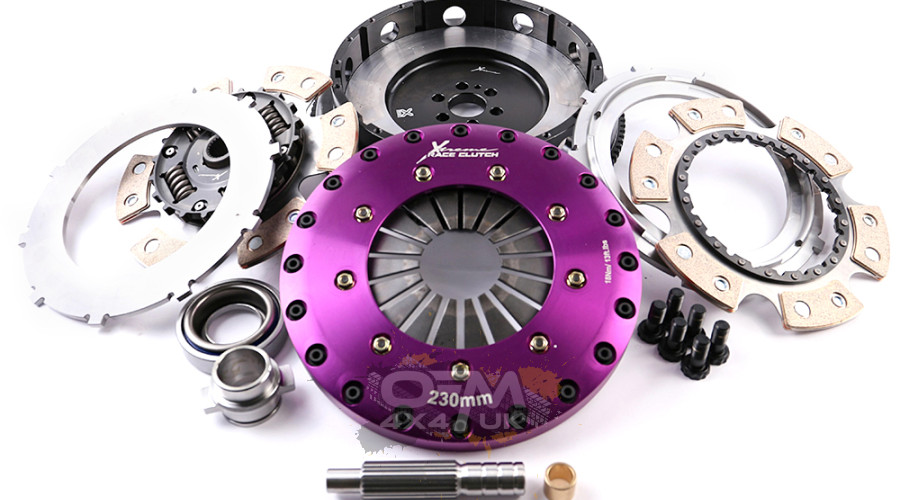
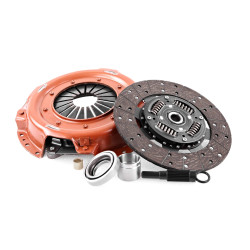
The clutch is composed of three critical components: the flywheel, clutch disc, and pressure plate. The flywheel is attached to the engine and provides rotational energy. The clutch disc is positioned between the flywheel and pressure plate and is responsible for transmitting power to the transmission. The pressure plate is responsible for clamping the clutch disc to the flywheel.
Regular Maintenance Checks
Regular maintenance checks are crucial for the proper functioning of your vehicle's clutch. It's essential to check the clutch pedal height and free play regularly. Proper clutch pedal height ensures that the clutch functions correctly, while the correct free play allows for smoother gear shifting. Additionally, the clutch fluid should be checked and replaced regularly to prevent contamination, which can cause clutch slippage and damage.
Tip: Always use the recommended clutch fluid type specified in your vehicle's owner's manual.
Clutch Care and Maintenance
Simple clutch care practices can significantly extend the life of your vehicle's clutch. Avoid riding the clutch by keeping your foot off the pedal when not in use. Additionally, avoid placing unnecessary strain on the clutch by shifting gears smoothly without excessive force or speed.
Tip: Avoid using the clutch pedal as a footrest, which can lead to premature wear and tear.
Finally, always engage a qualified mechanic for any clutch repairs or servicing to ensure proper diagnosis and repair of any issues.
Smooth Driving Techniques
One of the most effective clutch maintenance practices is to adopt smooth driving techniques. Not only will it help you make your clutch last longer, but it can also improve your fuel efficiency and reduce wear and tear on your vehicle. Here are some tips to help you achieve smooth driving:
Shift Gears Carefully
One of the leading causes of clutch wear is aggressive gear shifting. To minimize wear and tear, shift gears carefully and smoothly. Use the clutch pedal gently, and avoid slipping the clutch or holding it in for prolonged periods.
Use the Clutch Pedal Sparingly
Using the clutch pedal sparingly can have a significant impact on extending the life of your clutch. Only use it when necessary, and avoid resting your foot on it while driving.
Do Not Overrev Your Engine
Over-revving your engine can cause unnecessary stress on your clutch. To prevent this, use the gears effectively and avoid revving the engine excessively.
"Using the clutch pedal sparingly can have a significant impact on extending the life of your clutch."
Drive Responsibly
Driving responsibly is essential to preserve your clutch and maintain its longevity. Avoid using your vehicle for heavy-duty tasks, and stay within the recommended weight limit. Additionally, avoid sudden acceleration and harsh braking as they can cause unnecessary strain on your clutch and other components.
By adopting these smooth driving techniques, you can reduce wear and tear on your clutch, extend its life, and save on costly repairs. Remember, the key is to be gentle with your clutch and use it wisely.
Regular Clutch Inspections
Regular clutch inspections are crucial for identifying potential issues with your vehicle's clutch system and preventing costly repairs in the future. By catching clutch problems early, you can preserve the integrity of your clutch and extend its lifespan.
One of the most common signs of a worn-out clutch is difficulty shifting gears. If you notice that your vehicle is struggling to shift, it may be time for an inspection. Other indicators of clutch problems include slipping, vibrations, and strange noises, such as squealing or grinding.
Tip: It's essential to perform regular inspections, especially if you frequently drive in stop-and-go traffic, uphill, or carry heavy loads. These driving conditions put added strain on your clutch, leading to premature wear and tear.
Fortunately, you don't need to be a mechanic to perform a basic clutch inspection. To begin, check the clutch pedal for any signs of damage or wear, such as cracks or excessive looseness. Next, examine the clutch disc, pressure plate, and flywheel for any signs of damage or wear, such as glazing or scoring.
It's also crucial to perform a visual inspection of the clutch release system, including the release bearing, release arm, and pivot ball. Look for any signs of leakage, misalignment, or excessive play. If you notice any issues with these components, it's best to take your vehicle to a qualified mechanic for further inspection.
Tip: Regular inspections are one of the most effective clutch preservation techniques, as they can help you catch and address clutch problems before they worsen and become more expensive to repair.
Overall, regular clutch inspections are a crucial part of preserving your vehicle's clutch and ensuring smooth driving performance. By performing these inspections and addressing any issues promptly, you can maximize the longevity of your clutch and avoid costly repairs down the road.
Proper Clutch Adjustment
If you want to ensure that your vehicle's clutch lasts as long as possible, it's important to keep it well-adjusted. There are three key adjustments that should be made regularly: the clutch pedal, release point, and clutch cable.
Checking the Clutch Pedal
The clutch pedal is what you use to engage and disengage the clutch. Over time, it can become misaligned, making it difficult to shift gears. To check the clutch pedal, press it down all the way and release it. It should return to its original position smoothly and without sticking. If it doesn't, you may need to adjust the pedal stop or the pedal height so that the pedal moves properly.
Adjusting the Release Point
The release point is the point at which the clutch begins to engage. If it's too high, you'll have a hard time getting the car moving. If it's too low, you'll have a hard time shifting gears. To adjust the release point, start by depressing the clutch pedal and shifting into first gear. Then, slowly release the clutch pedal while pushing down on the accelerator until the car starts to move. The point at which the car starts to move is the release point. If it's not where it should be, you can adjust it with the clutch fork or hydraulic slave cylinder.
Inspecting the Clutch Cable
The clutch cable connects the clutch pedal to the release fork, allowing it to disengage the clutch. Over time, it can stretch or break, making it difficult to shift gears. To inspect the clutch cable, start by checking it for signs of wear or damage. If it looks good, try depressing the clutch pedal and releasing it to see if the cable is moving smoothly. If it's not, you may need to adjust the cable tension or replace the cable altogether.
Proper clutch adjustment is essential for preserving your vehicle's clutch. By keeping the clutch pedal, release point, and clutch cable in good condition, you can maximize the lifespan of your clutch and avoid costly repairs in the future.
Avoiding Excessive Load and Abuse
Driving your vehicle with excessive load and subjecting the clutch to abuse can quickly wear it out.
To prolong the lifespan of your clutch, avoid harsh driving practices, such as sudden starts and stops.
Heavy loads can also put a strain on the clutch, so avoid carrying unnecessary weight in your car.
When driving uphill, use lower gears to reduce the load on the clutch. It's also essential to avoid riding the clutch pedal or resting your foot on it while driving, as this can lead to premature wear and tear.
Adopting responsible driving habits can significantly increase the longevity of your clutch and save you from costly repairs.
Importance of Regular Fluid Changes
Regularly changing your vehicle's fluid is essential to maintain proper clutch function. The transmission fluid lubricates the clutch and ensures smooth gear shifting. Over time, the fluid can become contaminated with debris, leading to clutch slippage and damage.
Experts recommend changing the fluid every 30,000 miles or as per the manufacturer's recommendation. However, if you're driving in severe conditions, such as stop-and-go traffic or extreme temperatures, you may need to change the fluid more frequently.
Tip: Always use the recommended fluid type for your vehicle. Using the wrong type of fluid can damage the clutch and transmission.
"Neglecting fluid changes can result in expensive repairs and even total clutch failure," says auto expert John Smith. "Regular maintenance is critical to preserving your vehicle's clutch and avoiding costly repairs."
To change the fluid, locate the drain plug and drain the old fluid. Then, refill the fluid to the recommended level. If you're unsure about how to change the fluid, consult your vehicle's manual or seek professional help.
By regularly changing your vehicle's fluid, you can ensure proper clutch function and extend its lifespan. It's a simple yet effective maintenance tip that's often overlooked.
Upgrading Clutch Components
If you want to prolong clutch lifespan and increase clutch longevity, upgrading some of your vehicle's clutch components may be necessary. A well-designed clutch can significantly reduce wear and tear, resulting in a longer lifespan. Here are some of the components that are worth upgrading:
Clutch Friction Material:
The clutch's friction material is what makes contact with the flywheel when the clutch is engaged. Upgrading to a high-quality friction material can increase the clutch's lifespan significantly.
Pressure Plates:
Upgrading to a high-performance pressure plate can provide additional clamping force, allowing for a better transfer of power between the engine and the transmission.
Flywheels:
Choosing a lightweight flywheel can decrease rotational mass, resulting in faster acceleration and a more responsive clutch.
It's important to note that not all clutch upgrades are suitable for every vehicle. Upgrading the clutch beyond its specification can lead to premature wear and tear, resulting in costly repairs. Before making any upgrades, consult with a qualified mechanic to ensure the components are compatible with your vehicle's make and model.
Professional Clutch Service and Repairs
While DIY clutch maintenance can come in handy, some issues may require the attention of a professional mechanic. A qualified mechanic can accurately diagnose problems that may be difficult for a non-expert to identify. In addition, they have the necessary equipment and expertise to carry out repairs efficiently and effectively.
When seeking professional clutch service and repairs, it's crucial to engage with reputable and experienced mechanics. Ask friends and family for recommendations or check online reviews to find a reliable mechanic in your area.
Regular professional clutch maintenance can help identify and fix potential issues before they become major problems. Don't wait until your clutch is beyond repair before seeking professional help.
When to Seek Professional Clutch Service
If you notice any of the following signs, it's time to take your vehicle to a professional mechanic:
Your clutch pedal feels different than usual, such as a change in its pressure or level of engagement.
The clutch pedal vibrates or makes strange noises.
You experience difficulty shifting gears.
Your clutch slips or fails to engage properly.
It's also essential to follow the manufacturer's recommended maintenance schedule and have your clutch system inspected regularly by a professional mechanic. Regular maintenance can help prevent major problems, save you money on expensive repairs, and extend the life of your vehicle's clutch.
Conclusion
By following these practical tips and adopting proper clutch maintenance practices, you can significantly extend the life of your vehicle's clutch. Regular inspections, smooth driving techniques, and avoiding excessive load and abuse are just a few ways to make your clutch last longer.
Proper clutch adjustment and regular fluid changes also play a vital role in clutch preservation and increasing its longevity. And in some cases, upgrading clutch components can further enhance its durability and performance.
While DIY maintenance is essential, there are times when professional clutch service and repairs are necessary. Always engage with qualified mechanics and seek professional help when needed.
Remember, with the right care and attention, you can extend the life of your vehicle's clutch, saving yourself from costly repairs and ensuring smooth and efficient driving for years to come.
Thank you for taking the time to read our maintenance tips for clutch care and maintenance. We hope you found them helpful in your efforts to preserve your vehicle's clutch.
Stay safe and happy driving!
FAQ
How can I extend the life of my vehicle's clutch?
By following these practical tips and adopting proper clutch maintenance practices, you can extend the life of your vehicle's clutch. This will not only save you from costly repairs but also ensure smooth and efficient driving for years to come.
Why is regular maintenance important for the clutch?
Regular maintenance is vital for identifying clutch issues early on and preventing further damage. It helps keep the clutch components in good condition, ensuring optimal performance and longevity.
What are smooth driving techniques?
Smooth driving techniques involve proper gear shifting, controlled clutch pedal usage, and other driving practices that minimize stress on the clutch. These techniques can help preserve your clutch and extend its lifespan.
How often should I inspect my clutch?
It is recommended to inspect your clutch regularly, especially if you notice any signs of a worn-out clutch such as slipping or difficulty in shifting gears. Regular inspections can help catch any issues early on and prevent further damage.
How do I adjust my clutch properly?
To adjust your clutch properly, you should check and adjust the clutch pedal height, release point, and clutch cable tension according to your vehicle's specifications. A properly adjusted clutch can significantly impact its lifespan and performance.
How can I avoid excessive load and abuse on my clutch?
To avoid excessive load and abuse on your clutch, drive responsibly and avoid overloading your vehicle. This includes not riding the clutch, engaging in aggressive driving practices, or consistently carrying heavy loads that strain the clutch.
Why are regular fluid changes important for the clutch?
Regular fluid changes are essential to prevent clutch slippage and damage. Contaminated fluid can compromise the clutch's performance, so it's important to change the fluid at recommended intervals and ensure proper fluid selection and maintenance.
Can upgrading clutch components help increase its lifespan?
Yes, in some cases, upgrading clutch components such as clutch friction material, pressure plates, and flywheels can enhance the durability and performance of the clutch. It's worth exploring these options if you want to prolong the clutch's lifespan.
When should I seek professional clutch service and repairs?
While DIY maintenance is essential, there are times when professional clutch service and repairs are necessary. If you encounter major clutch issues, lack the technical expertise, or the clutch is still not performing optimally after your maintenance efforts, it's best to engage with qualified mechanics for professional assistance.
Related Products

Leave a comment