


-32x32h.jpg)


-32x32h.jpg)

-32x32h.jpg)


-1000x1000h-32x32.jpg)


-32x32.png)


-32x32w.jpg)





-1000x1000w-150x150.jpg "DT Adventure Portable Camping 55L Compressor Car Fridge Freezer")
-1000x1000w-150x150.jpg "DT Adventure Portable Camping 55L Compressor Car Fridge Freezer")
-150x150h.jpg "Fabryka 4x4 Front Winch Bumper with Bullbar Toyota Land Cruiser HZJ 71 99-07")
-150x150h.jpg "Fabryka 4x4 Front Winch Bumper with Bullbar Toyota Land Cruiser HZJ 71 99-07")
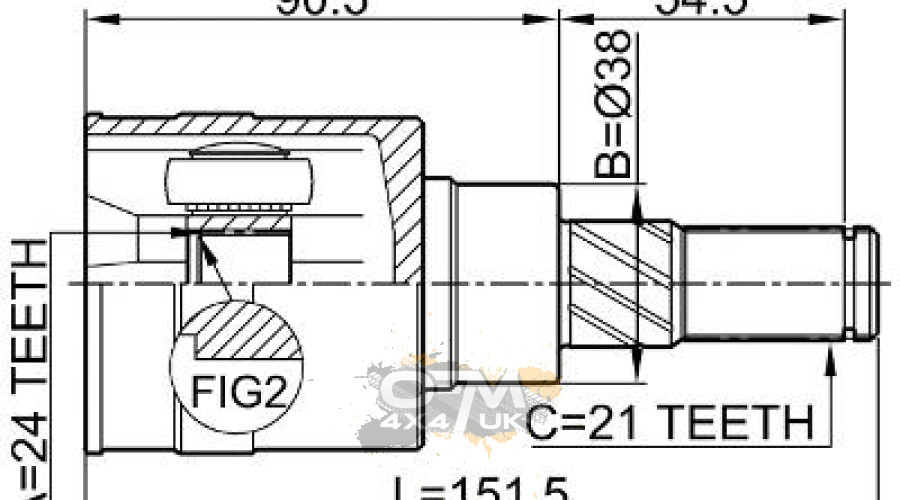
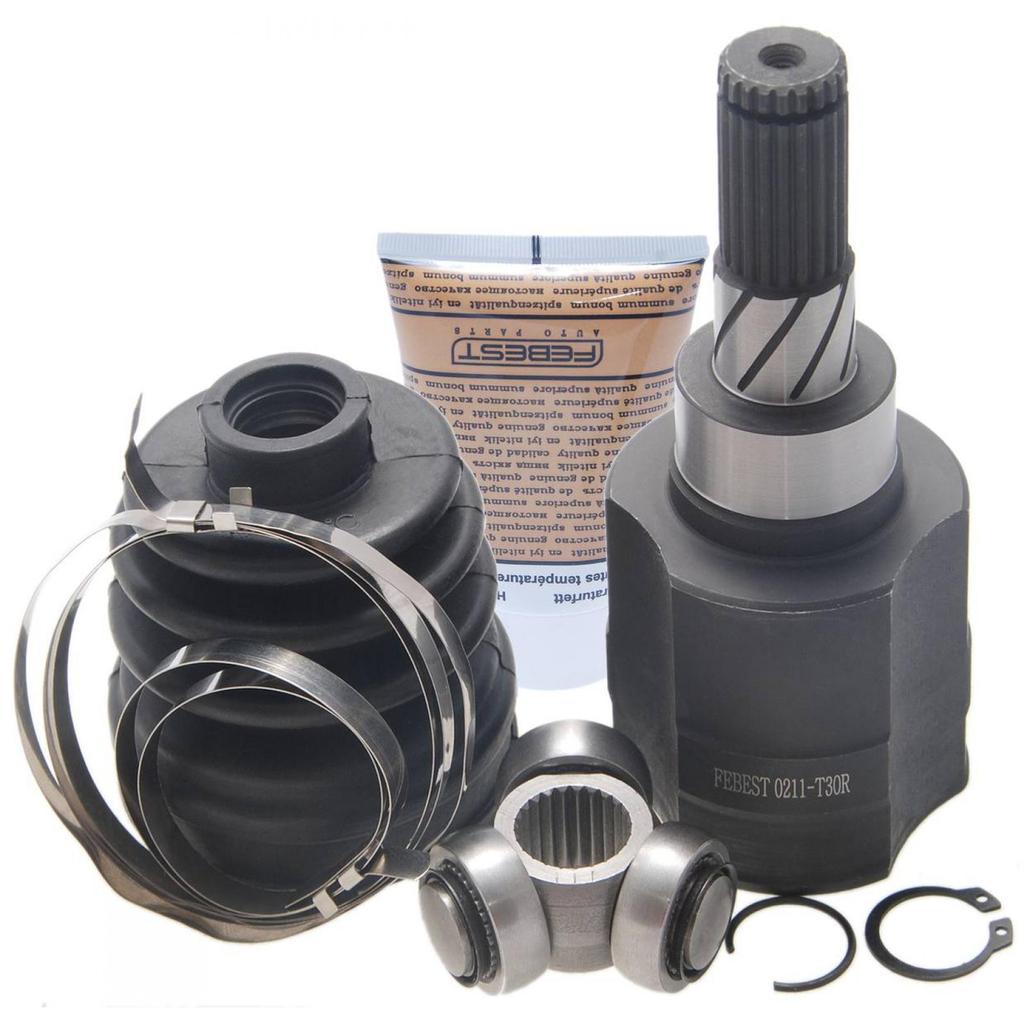 Understanding Your Vehicle CV Joint: Maintenance & Care Tips
Your vehicle is made up of several critical components, and your CV joint is undoubtedly one of them. The CV joint is responsible for allowing the power from the engine to reach the wheels while maintaining flexibility. Over time, the joint can become damaged, leading to potential issues with your vehicle's performance and safety.
In this section, we'll explore the role of your vehicle's CV joint and provide tips on maintenance, repair, and replacement. We'll cover everything from symptoms of a failing CV joint to the cost of repair and replacement options. We'll also provide valuable information on lubrication, protection, and inspection.
Key Takeaways
- The CV joint is a critical component that allows power from the engine to reach the wheels while maintaining flexibility.
- Symptoms of a failing CV joint may include noise and vibrations while driving.
- Regular maintenance and inspection can prolong the lifespan of your CV joint.
- Repair or replacement of a CV joint can be costly, and the expense is affected by factors such as vehicle type and extent of damage.
- Replacing a CV joint yourself is possible, but it requires proper preparation and precautions.
What is a CV Joint?
Before delving into the maintenance and care of your vehicle's CV joint, it's important to understand what it is and its function within your car's drivetrain system. The CV joint, or constant velocity joint, is a critical component that transfers power from the transmission to the wheels, allowing your car to move forward. It provides a smooth and constant transfer of torque while allowing for the up-and-down movement of the suspension system.
CV joints are commonly found in front-wheel-drive vehicles but can also be present in rear-wheel-drive and all-wheel-drive cars. They are located at the ends of the drive shafts and are protected by a CV joint boot.
The function of the CV joint is to allow for a constant and smooth power transfer, even when the wheels are turning at different speeds, such as during turns. This is achieved through the use of ball bearings that allow for a full range of motion while reducing friction and wear.
Importance of Protecting Your CV Joint Boot
The CV joint boot is a protective cover that shields the CV joint from dirt, debris, and other contaminants that can cause damage or premature wear. A tear or crack in the boot can allow these harmful particles to penetrate the joint, resulting in noise, vibration, and potentially catastrophic failure.
It's essential to inspect your CV joint boot regularly and replace it if any damage is detected. The cost of a CV joint boot replacement is significantly less than the cost of replacing a damaged joint, making it a worthwhile investment.
Tip: Avoid driving your car over rough terrain, such as potholes or rocky roads, as this can cause damage to the CV joint and boot.
In the next section, we will explore the common symptoms of a failing CV joint and how to identify them.
Common Symptoms of a Failing CV Joint
If you suspect a problem with your vehicle's CV joint, it's important to be aware of the common symptoms. Early detection can help prevent further damage and costly repairs. Here are some signs of a failing CV joint:
"Clicking" or "popping" noises when turning.
Vibrations or shuddering sensations when accelerating.
Grease on the edge of the tire or along the underside of the vehicle.
Loud grinding noises while driving.
It's important to note that these symptoms may also indicate other problems with your vehicle. However, if you experience any of these issues, it's best to have a professional mechanic inspect your CV joint to determine the root cause of the problem.
The most common symptom of a failing CV joint is a clicking or popping noise when turning. This noise is often more pronounced when turning at low speeds or while reversing. The vibrations or shuddering sensations are usually felt through the steering wheel and can indicate that the CV joint is worn out and needs to be replaced.
If you notice grease on the edge of the tire or along the underside of the vehicle, it may be a sign that the CV joint boot is torn or damaged. The boot is a protective cover that keeps grease in and dirt out of the CV joint. If the boot is damaged, the grease can leak out, causing the joint to fail.
Loud grinding noises while driving can also indicate a problem with the CV joint. This noise is usually more noticeable at higher speeds and may indicate that the joint is severely damaged and in need of immediate repair or replacement.
Overall, if you experience any of these symptoms, it's important to have your vehicle inspected by a professional mechanic. They can determine if the problem is with your CV joint or another component of your vehicle.
CV Joint Repair and Replacement
If you suspect a problem with your vehicle's CV joint, it's essential to take action promptly to prevent further damage and avoid costly repairs. Here, we will explore the options available for repairing or replacing a damaged CV joint.
CV Joint Repair
If your CV joint has suffered minor damage or wear, you may be able to opt for a repair instead of a full replacement. However, it's crucial to address the issue as soon as possible to prevent further damage to the joint or other components of the vehicle.
The cost of a CV joint repair can vary depending on the extent of the damage and the type of vehicle you have. It's important to weigh up the cost of repair versus replacement, as sometimes replacement may be more cost-effective in the long run.
It's also worth noting that not all CV joints can be repaired, and in some cases, a replacement may be the only option.
CV Joint Replacement
If your CV joint has suffered significant damage or wear, a replacement may be necessary. This involves removing the damaged CV joint and installing a new one.
The cost of a CV joint replacement can vary depending on factors such as the type of vehicle you have and the extent of the damage. It's essential to have the replacement carried out by a qualified mechanic to ensure it is performed correctly and to prevent further damage to the joint.
It's worth noting that replacing a CV joint can be labour-intensive, particularly in some vehicles. As a result, the cost of labour may form a significant part of the overall cost of replacement.
Ultimately, whether you opt for a repair or replacement depends on the extent of the damage, the cost of the parts and labour, and the type of vehicle you have. Consulting with a qualified mechanic is vital to ensure you make an informed decision.
Maintenance Tips for a Healthy CV Joint
Proper maintenance is essential in ensuring the longevity and optimal performance of your vehicle's CV joint. Here are some valuable maintenance tips to keep in mind:
1. Lubrication
One of the most crucial aspects of CV joint maintenance is proper lubrication. The joint's smooth operation depends on adequate lubrication, which reduces friction and wear and tear. Regularly inspect the CV joint and add lubricant as needed. Be careful not to over-lubricate the joint, which can attract dirt and debris and cause further damage.
2. Avoiding Rough Terrain
It's best to avoid rough terrain when possible, as it can cause damage to the CV joint. Be mindful of potholes, speed bumps, and rocky roads, and drive cautiously. If you must navigate rough terrain, slow down and take it easy to reduce the pressure on the joint.
3. Regular Cleaning
Regular cleaning is crucial in preventing damage to the CV joint. Dirt and debris can accumulate on the joint, causing abrasions and affecting its operation. Use a clean rag or brush to remove dirt and debris, taking care not to damage the joint or boot.
4. CV Joint Boot Inspection
The CV joint boot plays a vital role in protecting the joint from damage. Regularly inspect the boot for cracks or tears, which can allow dirt and debris to enter and cause damage to the joint. If you notice any damage to the boot, have it replaced immediately.
5. Professional Inspection and Maintenance
It's essential to have your vehicle's CV joint inspected and maintained by a professional. Regular inspections can catch any issues early on, preventing more extensive and costly repairs. A professional can also advise you on proper maintenance practices and repair or replace the CV joint if necessary.
Remember, proper maintenance is key in ensuring your vehicle's optimal performance and extending the lifespan of your CV joint. Regularly inspect the joint, lubricate it correctly, and avoid rough terrain. If you notice any issues, seek professional assistance promptly. By following these maintenance tips, you can ensure the health of your CV joint and avoid costly repairs in the long run.
How to Replace a CV Joint
Replacing a CV joint can be a daunting task, but with the right tools and knowledge, it can be done effectively. Below are the steps to follow:
Step 1: Lift the Vehicle and Remove the Wheel
Using a jack, lift the vehicle and support it with jack stands. Remove the wheel and set it aside.
Step 2: Remove the CV Joint
Remove the hub nut and tie-rod end from the damaged CV joint. Then, remove the CV joint from the drive shaft.
Step 3: Install the New CV Joint
Grease the new CV joint and carefully slide it onto the drive shaft. Be sure to align the splines and secure it with the provided clip.
Step 4: Reassemble the Components
Reinstall the tie-rod end and hub nut. Then, reattach the wheel.
Step 5: Test the New CV Joint
Lower the vehicle and test the new CV joint by turning the steering wheel in both directions. Listen for unusual noises or vibrations.
Remember, if you're uncomfortable with any of the steps or don't have the necessary tools, it's always best to seek the help of a professional mechanic.
Tip: It's always best to replace CV joints in pairs to ensure even wear and optimal performance.
Summary
Replacing a CV joint may seem like a daunting task, but with the right tools and knowledge, it can be done effectively. Follow the steps above and remember to always prioritize safety and seek the help of a professional if needed.
Importance of Regular CV Joint Inspection
Regular CV joint inspection is a crucial aspect of vehicle maintenance that should not be overlooked. The CV joint is a fundamental component of your vehicle's drivetrain, responsible for transferring power from the transmission to the wheels.
Over time, your CV joint may become worn or damaged, leading to costly repairs or even a breakdown. This is why it's essential to have your CV joint inspected regularly, either by a qualified mechanic or through a thorough self-inspection.
CV Joint Maintenance
Proper CV joint maintenance can prevent issues before they occur and extend the lifespan of your vehicle's drivetrain. Regular lubrication and inspection can help identify potential problems early on, preventing further damage and reducing the risk of costly repairs.
"Prevention is always better than cure when it comes to maintaining your vehicle's CV joint."
CV Joint Inspection
During a CV joint inspection, a mechanic will check for any signs of wear or damage to the boots or joint itself. They may also test for any unusual noises or vibrations during acceleration or turning.
Self-inspection can also be a valuable tool in maintaining your CV joint. Look for any visible cracks or tears in the boot, as well as signs of grease leakage. Pay attention to any unusual noises or vibrations during driving, as these could be symptoms of a failing CV joint.
When to Schedule a CV Joint Inspection
It's recommended to have your CV joint inspected at least once a year or every 15,000 miles. However, if you notice any of the following symptoms, it's important to schedule an inspection promptly:
- Clicking or popping noises when turning
- Vibrations during acceleration
- Tearing or cracking of the CV joint boot
- Grease leakage around the CV joint
Ignoring these symptoms can lead to more extensive damage and a higher cost of repair or replacement.
Regular CV joint inspection and maintenance can help ensure the optimal performance and longevity of your vehicle's drivetrain. Don't wait until it's too late - schedule an inspection today and take proactive steps towards preventing costly repairs in the future.
Protecting Your CV Joint Boot
Your vehicle's CV joint boot is an essential component that protects the joint from dirt, debris, and other harmful elements on the road. Without proper protection, the joint can become damaged, leading to costly repairs. It is crucial to take steps to safeguard the boot and maintain its integrity.
Regular Inspection
One of the best ways to protect your CV joint boot is to perform regular inspections. Checking your boot for cracks or tears can alert you to any potential problems early on and prevent further damage. It's also important to inspect the boot for any signs of wear and tear, such as holes or thinning material.
Driving Habits
Your driving habits can also impact the lifespan of your CV joint boot. Avoiding rough terrain, potholes, and other road hazards can help prevent damage to the boot. Additionally, driving at high speeds over long distances can cause excessive heat buildup, which can damage the boot and the joint.
Additional Protection
In addition to regular inspections and safe driving practices, there are other steps you can take to protect your CV joint boot. Applying a protective coating can help seal the boot and prevent it from cracking or drying out. You can also invest in a CV joint boot cover, which provides an extra layer of protection against dirt and debris.
Note: If you do notice any damage to your CV joint boot, it's important to address the issue promptly. Ignoring a damaged boot can lead to extensive damage to the joint, causing it to fail completely.
Professional Assistance
If you're unsure about how to protect your CV joint boot or suspect that it's damaged, it's always best to seek professional assistance. An experienced mechanic can inspect your vehicle and provide expert advice on how to maintain your CV joint boot. They can also perform any necessary repairs or replacements, ensuring that your vehicle is safe to drive and free from costly damage.
By taking the necessary steps to protect your CV joint boot, you can ensure that your vehicle's joint remains healthy and functional for years to come.
Maintaining Your CV Joint for a Longer Lifespan
Regular maintenance is essential for ensuring the longevity and optimal performance of your vehicle's CV joint. By following a few simple tips, you can avoid expensive repairs and replacements in the future. Here are some of the benefits of maintaining your CV joint:
Improved Lifespan
By keeping your CV joint well-lubricated and avoiding harsh driving conditions, you can extend the lifespan of the joint significantly. Regular inspections can detect any potential issues early on, allowing for timely repairs and replacements.
Enhanced Vehicle Performance
A well-maintained CV joint can improve your vehicle's overall performance, ensuring smooth and efficient operation. Neglecting the joint can lead to reduced power and acceleration, as well as increased fuel consumption.
Cost Savings
By investing in regular maintenance, you can avoid costly repairs and replacements down the line. Timely detection and repair of minor issues can prevent them from escalating into major problems that require extensive repairs or replacements.
Care Tips
Here are some tips to help you maintain a healthy CV joint:
Always keep the joint properly lubricated to prevent wear and tear
Avoid harsh driving conditions, such as off-roading and excessive speeding, that can put unnecessary strain on the joint
Listen for any unusual noises or vibrations and have them inspected immediately
Regularly inspect the CV joint boot for cracks or damage and replace if necessary to protect the joint from debris and moisture
Have your CV joint inspected by a professional at least once a year, or more frequently if you drive in harsh conditions
By following these simple care tips, you can ensure your CV joint remains healthy and functioning optimally for longer.
Factors Affecting the Cost of CV Joint Repair
The cost of CV joint repair or replacement can vary based on several factors. The type of vehicle you own, the extent of damage, and the location of the repair shop can all influence the overall cost.
When it comes to the type of vehicle, the cost can be affected by the make and model, as well as the year of production. Some vehicles require specific components, which can be more expensive than others. The extent of damage is also a significant factor. If the CV joint is severely damaged, it may need to be entirely replaced, which can be more costly than simple repairs.
The location of the repair shop can also impact the cost. In areas with higher labour costs, such as large cities, the price of repairs may be more expensive than in rural areas. Additionally, some repair shops may charge a higher price for their services due to their reputation or level of expertise.
It's essential to consider all of these factors when determining the cost of CV joint repair or replacement. While the cost may vary, it's important not to neglect necessary repairs or maintenance, as this can lead to further damage and more expensive repairs down the line.
If you're unsure about the cost of CV joint repair or replacement, it's best to consult with a professional mechanic. They can assess the damage and provide you with an estimate of all associated costs. Don't delay in addressing issues with your CV joint, as timely repairs can save you money in the long run and ensure your vehicle is running at optimal performance.
Conclusion
As we conclude, it is clear that understanding and caring for your vehicle's CV joint is crucial for optimal performance and longevity. By being aware of the symptoms of a failing CV joint and implementing proper maintenance practices, you can save yourself from costly repairs and ensure a comfortable driving experience.
We have explored the essential function of a CV joint, the common symptoms of damage, repair and replacement options, and the significance of regular inspection and care. Protecting the CV joint boot and lubricating the joint are also crucial aspects of maintaining its health.
Timely CV joint maintenance can significantly extend its lifespan and improve overall vehicle performance. It is also important to understand the factors that can affect the cost of repair or replacement and seek professional assistance when necessary.
By following the tips and advice provided in this article, we hope that you feel confident in your ability to care for your vehicle's CV joint. Remember, a little proactive maintenance can go a long way in avoiding costly repairs and ensuring a safe driving experience.
FAQ
What is a CV joint?
A CV joint, also known as a constant velocity joint, is a crucial component of a vehicle's drivetrain system. It allows power to be transferred smoothly from the transmission to the wheels, even when the wheels are turning at different speeds.
How does a CV joint function?
The CV joint consists of a cage with bearings and a set of inner and outer races. When the drive shaft rotates, the CV joint allows the wheels to maintain a constant velocity, regardless of the angle of the steering or suspension movement.
What are the common symptoms of a failing CV joint?
Some common symptoms of a failing CV joint include clicking or popping sounds when turning, vibrations during acceleration, and grease leakage from the CV joint boot. These symptoms should be addressed promptly to prevent further damage.
How much does CV joint repair or replacement cost?
The cost of CV joint repair or replacement can vary depending on factors such as the make and model of the vehicle, the extent of damage, and whether you opt for professional repair or DIY replacement. It is best to consult with a qualified mechanic for an accurate estimate.
What are some maintenance tips for a healthy CV joint?
To maintain a healthy CV joint, it is important to keep the CV joint boot in good condition by regularly inspecting it for cracks or tears and replacing it if necessary. Additionally, ensure proper lubrication of the CV joint and avoid excessive off-roading or rough driving conditions.
How can I replace a CV joint myself?
Replacing a CV joint requires specialized tools and knowledge. If you have the necessary skills and equipment, you can refer to vehicle-specific repair manuals or online tutorials for step-by-step instructions. However, it is recommended to seek professional assistance if you are unsure.
Why is regular CV joint inspection important?
Regular CV joint inspection is important to catch any potential issues early on before they develop into more severe problems. Detecting and addressing CV joint problems early can help prevent costly repairs and ensure the optimal performance of your vehicle.
How can I protect my CV joint boot?
To protect your CV joint boot, avoid driving over obstacles that may cause damage and maintain proper lubrication. Regularly inspect the boot for cracks or tears and promptly replace it if necessary. Additionally, avoid excessive heat exposure and keep the surrounding area clean to prevent contaminants from entering the boot.
What are the benefits of timely CV joint maintenance?
Timely CV joint maintenance can extend the lifespan of your CV joint, improve overall vehicle performance, and prevent more expensive repairs. Regular care, including lubrication and inspection, can help identify and address potential issues before they escalate.
What factors can affect the cost of CV joint repair?
Several factors can affect the cost of CV joint repair, including the make and model of the vehicle, the extent of damage to the CV joint, and the cost of replacement parts. Labor costs can also vary depending on the region and the specific repair shop.
Related Products


Leave a comment