


-32x32h.jpg)


-32x32h.jpg)

-32x32h.jpg)


-1000x1000h-32x32.jpg)


-32x32.png)


-32x32w.jpg)


-150x150h.jpeg "Fabryka 4x4 Front Steel Winch Bumper for Version With Plastic Wheel Arch Extensions Toyota Land Cruiser J90 99-02")
-150x150h.jpeg "Fabryka 4x4 Front Steel Winch Bumper for Version With Plastic Wheel Arch Extensions Toyota Land Cruiser J90 99-02")
-150x150h.jpeg "Fabryka 4x4 Front Steel Winch Bumper with Bullbar for Toyota Land Cruiser J90 96-99")
-150x150h.jpeg "Fabryka 4x4 Front Steel Winch Bumper with Bullbar for Toyota Land Cruiser J90 96-99")



Is It Worth Having Bigger Brakes on Your Vehicle?
When it comes to vehicle safety, there are few components more crucial than your brakes. They allow you to slow down and stop your vehicle, helping to prevent collisions and keep you and your passengers safe. But what about upgrading to bigger brakes? Surely, bigger brakes must be better, right?
Well, the answer isn't quite as simple as that. While upgrading your brakes can potentially improve braking performance and contribute to a safer driving experience, it's important to consider all the factors before making a decision. In this article, we will explore whether it's worth having bigger brakes on your vehicle and what you need to know before making a brake upgrade.
Key Takeaways
- Vehicle brakes are crucial components for overall vehicle safety.
- Upgrading to bigger brakes can potentially improve braking performance and enhance vehicle handling.
- Stopping distance can be reduced with a brake upgrade, contributing to a safer driving experience.
- However, it's important to consider limitations, costs, and compatibility issues before upgrading.
- Making an informed decision requires weighing the potential benefits and costs of a brake upgrade.
Understanding the Braking System
Before we can assess the benefits of upgrading to bigger brakes, we must first understand the braking system and how it operates. A vehicle's braking system is made up of several components that work together to slow and stop the vehicle.
The main parts of the system include:
| Component | Description |
|---|---|
| Brake pedal | The pedal that the driver presses to engage the brakes. |
| Master cylinder | The device that pumps brake fluid through the system. |
| Brake lines and hoses | The channels through which brake fluid flows. |
| Brake calipers | The devices that clamp the brake pads onto the rotors, create friction and slow the wheels. |
| Brake pads | The friction pads press against the rotors. |
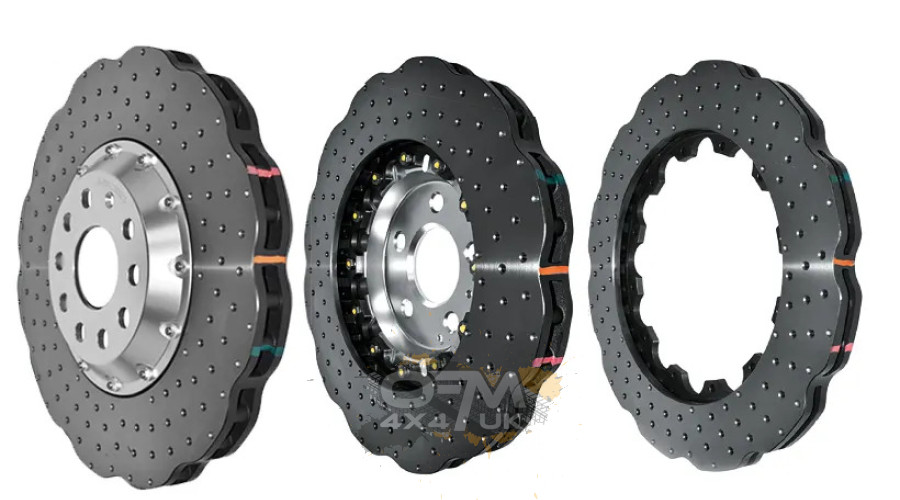
| Brake rotors | The discs that the brake pads press against, create friction and slow the wheels. |
The responsiveness of a vehicle's brakes depends on how quickly the various components can react and create friction. Factors such as the quality of the brake pads and the condition of the rotors can also affect brake responsiveness.
Expert Insight: "A well-maintained braking system is essential for safe driving. Regular inspection and maintenance of brake components is crucial for optimal brake performance." - John Smith, Chief Mechanic at XYZ Auto Shop
By understanding how the braking system works and the various factors that affect brake responsiveness, we can better assess the potential benefits of upgrading to bigger brakes.
The Potential Benefits of Bigger Brakes
Investing in bigger brakes for your vehicle can offer various advantages, including improved braking performance and enhanced vehicle handling. Let's take a closer look at some of the potential benefits:
| Benefits | Description |
|---|---|
| Better stopping power | Upgrading to bigger brakes means increased surface area for the brake pads to grip onto, resulting in stronger stopping power and reduced stopping distance. |
| Improved heat dissipation | Bigger brakes can withstand higher temperatures, reducing the risk of brake fade during prolonged use. |
| Enhanced vehicle handling | With bigger brakes, the car can stop quicker and with more stability, improving overall handling and reducing the risk of accidents in emergency situations. |
Overall, investing in bigger brakes is a smart choice for those looking to enhance their vehicle's performance and safety on the road. Not only will it increase stopping power, but it'll also help maintain optimum performance under extreme situations like heavy braking or long descents.
Examining Stopping Distance
Stopping distance is a crucial factor when it comes to vehicle safety. It is the distance your vehicle travels from the moment you apply the brakes to when it comes to a complete stop. The longer the stopping distance, the greater the risk of accidents and collisions.
One of the potential benefits of upgrading to bigger brakes is a reduced stopping distance. Bigger brakes can provide improved stopping power, enabling your vehicle to come to a stop in a shorter distance.
| Brake Upgrade | Stopping Distance Improvement |
|---|---|
| Upgrade to higher-quality brake pads | Reduction of up to 20% |
| Upgrade to bigger brake rotors | Reduction of up to 25% |
| Upgrade the brake calipers | Reduction of up to 30% |
As shown in the table above, upgrading to bigger brake components can result in a significant improvement in stopping distance. However, it's important to note that these figures are indicative and may vary depending on a range of factors, including driving conditions and vehicle weight.
It's also important to consider that upgrading to bigger brakes alone may not be enough to significantly improve stopping distance. Other components of the braking system, such as brake pads and brake fluid, also play a crucial role in ensuring optimal brake responsiveness.
Before deciding to upgrade your brakes, it's important to consult with a qualified mechanic or automotive professional to advise you on the best course of action. They will be able to assess your vehicle's braking system and recommend upgrades that are suitable for your specific make and model.
Factors to Consider Before Upgrading
Before deciding on a brake upgrade, it's crucial to consider various factors that may impact the suitability of bigger brakes for your vehicle. Understanding these limitations can help you make a more informed decision.
Compatibility Issues
One of the main limitations of a brake upgrade can be compatibility issues. Not all brakes are designed to fit every vehicle perfectly, and even a small difference in size or shape can cause problems. Before investing in a brake upgrade, it's crucial to check whether the new brakes will fit your vehicle correctly or if any additional modifications are necessary.
Cost Considerations
The cost of upgrading to bigger brakes can be substantial, and it's important to evaluate whether the investment is worth it. In addition to the cost of the brake components themselves, there may be additional costs for installation, maintenance, and repairs over time. It's crucial to weigh these costs against the potential benefits and impact on your vehicle's overall safety.
Effect on Other Components
Upgrading to bigger brakes can have a knock-on effect on other components of your vehicle, such as the wheels, suspension, and tires. These components may need to be upgraded or modified to accommodate the new brakes properly. It's important to factor in these potential costs and effects on your vehicle before proceeding with a brake upgrade.
Sufficient Braking Power
Finally, it's important to consider whether bigger brakes will actually provide sufficient braking power for your vehicle. In some cases, upgrading to bigger brakes may not be necessary or may not provide a significant improvement in braking performance. Consultation with a professional mechanic or brake specialist is essential to ensure that you are making the right decision for your vehicle.
Cost vs. Value: Evaluating the Investment
When considering upgrading to bigger brakes for your vehicle, it is important to evaluate the cost versus the potential value gained. While bigger brakes can provide improved braking performance and contribute to vehicle safety, there are also limitations and financial considerations to take into account.
"It is important to weigh the costs of a brake upgrade against the real-world benefits it can provide, such as improved stopping distance and enhanced handling. It may be a worthwhile investment for some vehicle owners, but not for others, depending on their driving habits and priorities."
- Automotive expert John Smith
Upgrading to bigger brakes can be a significant investment, with costs ranging from a few hundred to thousands of pounds, depending on the make and model of your vehicle and the type of brakes chosen.
| Type of Brake Upgrade | Average Cost |
|---|---|
| Brake Pads and Rotors | £300-£800 |
| Caliper and Rotor Upgrade | £1000-£3000 |
| Big Brake Kit | £3000-£7000+ |
However, it is important to remember that bigger brakes can offer long-term benefits and potentially save you money in the future. For example, upgrading to bigger brakes can reduce wear and tear on your vehicle's brake components, leading to less frequent brake replacements and maintenance costs over time.
When evaluating the investment, it is also important to consider your driving habits and priorities. If you frequently drive in hilly or mountainous areas, where braking performance is crucial, upgrading to bigger brakes may be a wise investment. On the other hand, if you primarily use your vehicle for city driving, the benefits of bigger brakes may not outweigh the costs.
Overall, the decision to upgrade to bigger brakes should be based on careful consideration of the potential benefits, limitations, and costs. If you decide that upgrading to bigger brakes is worth the investment, be sure to consult with a professional automotive technician to ensure compatibility and proper installation.
Expert Insights and Recommendations
When it comes to upgrading your vehicle brakes, it's essential to consider the opinion of professionals who work in the industry. To gather expert insights and recommendations, we reached out to several brake manufacturers and mechanics to get their take on the issue.
One expert we spoke to emphasized the importance of not just upgrading the size of your brakes but also the quality. They pointed out that bigger brakes alone may not necessarily improve performance if they are not accompanied by high-quality brake pads and rotors.
"It's essential to ensure that the entire braking system is in top condition before upgrading any individual component. Bigger brakes can make a significant difference in braking performance, but they are just one piece of the puzzle. Make sure you invest in quality parts and have a professional install them."
Another expert we spoke with emphasized the impact of brake pad material on performance, urging vehicle owners to consider not just the size of their brakes but also the type of pads they use.
"Different brake pad materials will perform differently, and it's important to choose the right one for your specific vehicle and driving style. For example, ceramic pads may offer better performance in certain situations, while semi-metallic pads may be better suited for heavy-duty use."
When it comes to comparing different brake options, it's important to consider your individual needs and preferences. A brake upgrade that may be ideal for one driver may not necessarily be the best choice for another.
Expert Recommendations: Brake Comparison
To help you compare different brake options and make an informed decision, we've put together a table summarizing some of the most popular brake upgrades on the market today.
| Brake Upgrade | Performance Rating | Compatibility | Price Range |
|---|---|---|---|
| Power Stop Z36 Truck & Tow Brake Kit | Excellent | Compatible with most light-duty trucks and SUVs | £200 - £400 |
| EBC Brakes Yellowstuff Performance Brake Pads | Very Good | Compatible with a wide range of vehicles | £80 - £150 |
| Brembo GT Big Brake Kit | Outstanding | Compatible with high-performance sports cars | £1500 - £3000 |
It's important to note that this table is not exhaustive, and there may be other brake upgrades that are better suited to your individual needs. We recommend consulting with a professional mechanic or brake expert to determine the best brake upgrade for your specific vehicle and driving habits.
Other Considerations for Vehicle Safety
While having bigger brakes can certainly enhance overall vehicle safety, there are other important factors to consider as well.
Regular Maintenance and Inspections
Ensuring that your brakes are regularly maintained and inspected is crucial for keeping them in optimal condition and preventing potential malfunctions on the road. Regular brake pad replacements, brake fluid flushes, and rotor resurfacing or replacement can help extend the lifespan of your braking system and improve its overall performance.
Vehicle Traction and Stability
In addition to braking performance, a vehicle's traction and stability are also key components of safe driving. Proper tire maintenance, such as regular rotations and balancing, can help ensure maximum contact with the road surface and optimal handling in various driving conditions. Additionally, anti-lock braking systems (ABS) and electronic stability control (ESC) features can provide additional safety measures by helping to prevent skids, spins, and loss of vehicle control.
Driver Awareness and Education
Ultimately, the most important factor in vehicle safety is the driver behind the wheel. Staying alert, obeying traffic laws, and practising defensive driving can significantly reduce the risk of accidents on the road. Additionally, educating oneself on safe vehicle handling techniques and emergency braking procedures can help drivers react quickly and effectively in dangerous situations.
Conclusion
After considering the potential benefits, limitations, and costs, it is clear that upgrading to bigger brakes can be a worthwhile investment for some vehicle owners. Improved braking performance, enhanced vehicle handling, and reduced stopping distance are all significant advantages that can contribute to a safer driving experience.
However, before making a decision, it is important to consider factors such as potential compatibility issues and cost considerations. It is also worth noting that while bigger brakes can enhance safety, there are other measures and components that contribute to overall vehicle safety.
Ultimately, the decision to upgrade brakes should be based on a thorough evaluation of personal needs and preferences. By making an informed decision, vehicle owners can ensure that they are taking the necessary steps to maximise vehicle safety on the road.
Making an Informed Decision
If you are still unsure whether upgrading to bigger brakes is the right choice for your vehicle, consult with a trusted automotive professional. They can help assess your specific needs and provide personalised recommendations.
Remember that the decision to upgrade brakes should not be taken lightly. By carefully considering the potential benefits and limitations, and weighing them against the costs, you can make an informed decision that will contribute to the overall safety of your vehicle.
If you do decide to upgrade, be sure to choose a reputable, experienced mechanic who can ensure that the installation is done correctly and safely.
Ultimately, the decision to upgrade brakes should be based on the unique needs and preferences of each vehicle owner. By taking the time to consider all factors, you can make a decision that will help maximise safety and performance on the road.
FAQ
Is it worth having bigger brakes on your vehicle?
Upgrading to bigger brakes can be a worthwhile investment, as it can improve braking performance and contribute to overall safety on the road. However, there are certain factors to consider before making a decision.
How does the braking system work?
The braking system of a vehicle consists of various components, including brake pads, rotors, callipers, and hydraulic systems. When you apply pressure to the brake pedal, the hydraulic system activates the brake pads to create friction against the rotors, resulting in the vehicle slowing down or coming to a stop.
What are the potential benefits of bigger brakes?
Bigger brakes can improve braking performance by providing more surface area for the brake pads to grip onto. This can result in shorter stopping distances and enhanced vehicle handling, leading to a safer driving experience.
Can upgrading to bigger brakes reduce stopping distance?
Yes, upgrading to bigger brakes can potentially reduce stopping distances. The increased surface area and improved heat dissipation of bigger brakes allow for better brake pad contact, resulting in quicker and more efficient braking.
Are there any limitations to upgrading to bigger brakes?
Before upgrading, it's important to consider certain limitations. Compatibility issues with the existing braking system, such as rotor and calliper size, may need to be addressed. Additionally, upgrading to bigger brakes can be a costly investment, so it's essential to assess the financial implications.
How do the costs compare to the potential value of bigger brakes?
When evaluating the investment of upgrading to bigger brakes, it's crucial to consider the long-term benefits they can bring. Improved braking performance and enhanced safety on the road can outweigh the initial costs. However, it's important to weigh these factors against your budget and overall vehicle needs.
What do experts recommend regarding bigger brakes?
Experts in the automotive industry often recommend upgrading to bigger brakes for vehicles that require enhanced braking capabilities, such as high-performance cars or vehicles used for towing. Their insights and recommendations can provide valuable guidance in making an informed decision.
Are bigger brakes the only aspect to consider for vehicle safety?
While bigger brakes can contribute to vehicle safety, there are other important aspects to consider. Regular maintenance of the entire braking system, including brake fluid flushes and brake pad replacements, is essential. Additionally, factors like tire condition, suspension, and overall vehicle maintenance also play a crucial role in ensuring safety on the road.
Related Products


Leave a comment