


-32x32h.jpg)


-32x32h.jpg)

-32x32h.jpg)


-1000x1000h-32x32.jpg)


-32x32.png)


-32x32w.jpg)




-1000x1000w-150x150.jpg "DT Adventure Portable Camping 55L Compressor Car Fridge Freezer")
-1000x1000w-150x150.jpg "DT Adventure Portable Camping 55L Compressor Car Fridge Freezer")


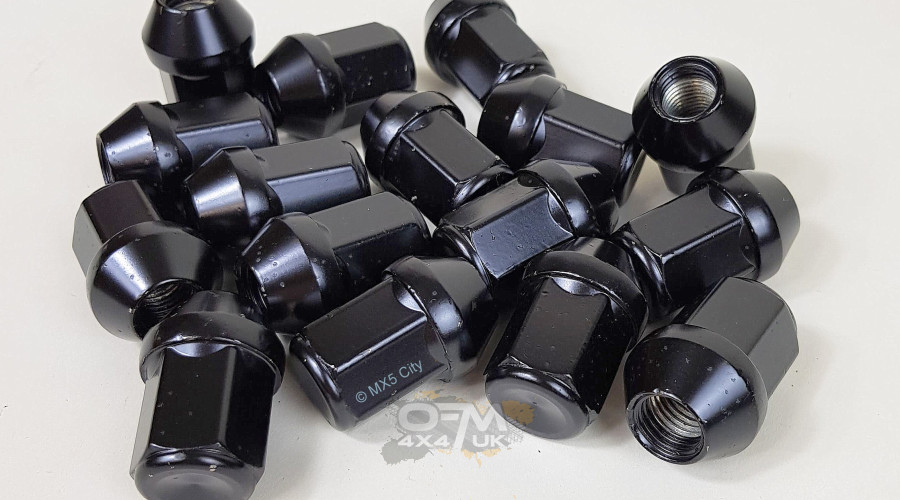
As a seasoned expert in the 4x4 field, I believe it is essential for all off-road enthusiasts and vehicle owners to understand the fundamental distinctions between nuts designed for alloy wheels and those meant for steel wheels. The distinction between the two types of nuts is not merely aesthetic; it is rooted in engineering principles and practical considerations that ensure optimal performance, safety, and longevity of your off-road adventures. In this article, we'll delve into the key differences and explain why attempting to interchange these nuts can lead to serious consequences.
Material Composition:
The primary difference between nuts for alloy wheels and those for steel wheels lies in their material composition. Alloy wheel nuts are typically made of lightweight metals like aluminum or magnesium alloy. These materials offer high strength-to-weight ratios, contributing to improved vehicle handling, reduced unsprung weight, and better fuel efficiency. On the other hand, steel wheel nuts are crafted from steel, a heavier but extremely robust material.
Thread Type and Size:
Another significant distinction is the thread type and size used in each type of nut. Alloy wheels typically require nuts with a tapered or conical seat, where the angle matches the wheel's taper. This ensures the even distribution of pressure and provides a secure fit. In contrast, steel wheels often use nuts with a ball or radius seat, which better complements the wheel's flat mounting surface. Attempting to fit the wrong type of nuts can result in uneven pressure distribution, leading to wheel misalignment and potential safety hazards.
Torque Specifications:
The torque specifications for tightening nuts on alloy and steel wheels differ due to the varying materials and characteristics. Alloy wheels are more susceptible to damage from excessive torque, as their lightweight nature makes them more delicate. Using steel wheel nuts on alloy wheels can lead to over-torquing, causing stress cracks and compromising the structural integrity of the wheel.
Prevention of Galvanic Corrosion:
Galvanic corrosion is an electrochemical process that occurs when dissimilar metals come into contact in a corrosive environment, such as road salt or moisture. Alloy wheels, being made from dissimilar metals, are especially vulnerable to this type of corrosion. Manufacturers address this issue by using nuts made from the same or compatible metals as the alloy wheels to mitigate galvanic corrosion risks. Steel wheel nuts, if used on alloy wheels, could accelerate the corrosion process, leading to wheel damage over time.
Aesthetics and Fitment:
In addition to the technical considerations, the visual aspect plays a role in differentiating alloy wheel nuts from steel wheel nuts. Alloy wheel nuts often have a polished or anodized finish to complement the alloy wheels' appearance. Conversely, steel wheel nuts are usually utilitarian and less visually striking.
Understanding the difference between nuts designed for alloy wheels and those intended for steel wheels is vital for the safety, performance, and aesthetics of your 4x4 vehicle. Attempting to interchange these nuts can lead to numerous complications, including wheel damage, safety hazards, and reduced off-road capabilities. Always refer to the manufacturer's recommendations and opt for nuts specifically engineered for your vehicle's wheel type to ensure a smooth and secure off-road journey.
Related Products

Leave a comment