


-32x32h.jpg)


-32x32h.jpg)

-32x32h.jpg)


-1000x1000h-32x32.jpg)


-32x32.png)


-32x32w.jpg)




-1000x1000w-150x150.jpg "DT Adventure Portable Camping 55L Compressor Car Fridge Freezer")
-1000x1000w-150x150.jpg "DT Adventure Portable Camping 55L Compressor Car Fridge Freezer")


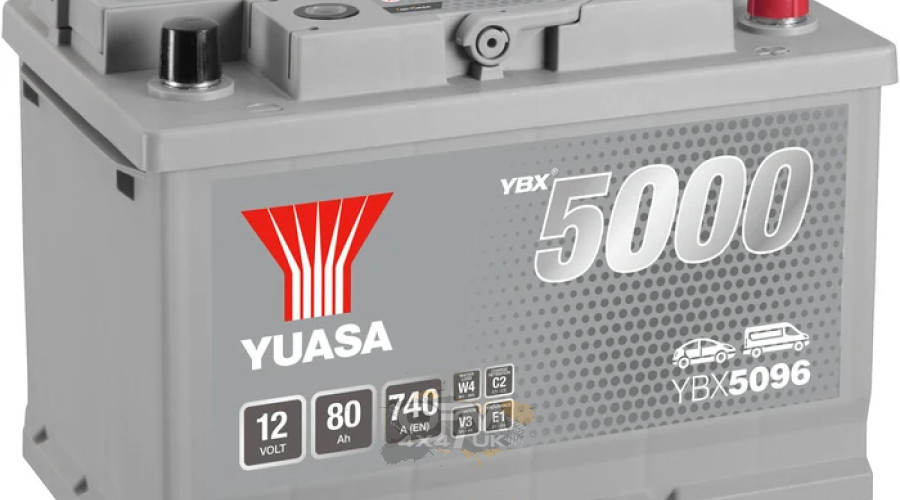
When it comes to electrical power storage, two prominent battery types often come to mind: the car battery and the leisure battery. While both serve the purpose of providing electrical energy, they are designed for different applications and exhibit distinct characteristics. Understanding the differences and similarities between car batteries and leisure batteries is essential for selecting the appropriate power source for specific needs.
Purpose and Functionality
Car Battery
Car batteries, also known as automotive batteries, are primarily designed to provide short bursts of high current for starting the engine. They are engineered to deliver a significant amount of power within a short period. Car batteries have a relatively higher cranking amp (CA) or cold cranking amp (CCA) rating, which measures their ability to start an engine in cold conditions.
Leisure Battery
Leisure batteries, on the other hand, are deep-cycle batteries designed for long-term power supply. They are optimized to provide a steady and continuous power output over an extended period. Leisure batteries are commonly used in recreational vehicles (RVs), campers, boats, and other leisure applications, where a sustained power source is needed for appliances, lighting, and other electronic devices.
Construction and Design
Car Battery
Car batteries are usually lead-acid batteries, consisting of lead plates submerged in an electrolyte solution. They are designed to withstand the vibration and shocks experienced in automotive environments. Car batteries often have thinner plates to maximize surface area and facilitate high current output.
Leisure Battery
Leisure batteries are also lead-acid batteries but with thicker plates designed for deep cycling. These batteries can tolerate frequent discharging and recharging cycles without significant degradation. They typically have a larger capacity and are built to withstand the demands of leisure activities where a consistent power supply is necessary.
Charging and Discharging
Car Battery
Car batteries are primarily designed for short bursts of high current and are not meant to be discharged deeply. The vehicle's alternator charges the car battery while the engine is running, ensuring that it remains adequately charged for subsequent starts. Continuous deep discharging of a car battery can shorten its lifespan.
Leisure Battery
Leisure batteries are designed for deep cycling, meaning they can be discharged more extensively without damaging their performance. They can tolerate repeated charging and discharging cycles, making them ideal for prolonged usage in leisure applications.
Energy Storage Capacity
Car Battery
Car batteries have a lower energy storage capacity as they are designed for brief, high-power demands. Their purpose is to start the engine and power essential vehicle systems. Car batteries are not intended for long-term power supply.
Leisure Battery
Leisure batteries offer a higher energy storage capacity compared to car batteries. They are designed to provide sustained power for an extended period, ensuring the reliable operation of appliances, lighting, and other devices in leisure settings.
Conclusion
While car batteries and leisure batteries share the common goal of storing electrical energy, their designs, functionalities, and applications differ significantly. Car batteries are engineered for short bursts of high current to start the engine, while leisure batteries provide a continuous power supply for extended periods. Understanding these disparities is crucial for selecting the appropriate battery type based on specific requirements. So, whether you need reliable power for your vehicle or sustained energy for your leisure activities, choosing the right battery will ensure optimal performance and a seamless electrical experience.
Leave a comment