


-32x32h.jpg)


-32x32h.jpg)

-32x32h.jpg)


-1000x1000h-32x32.jpg)


-32x32.png)


-32x32w.jpg)


Legality of Winch Bar for 4x4 in UK & Europe
If you own a 4x4 vehicle and are considering adding a winch bar, it’s important to understand the regulations and safety standards that apply. While winch bars can be a useful addition to your vehicle, there are specific legal requirements that you must adhere to. This article will explore the legality of winch bars for 4x4 vehicles in the UK and Europe, discuss the regulations and safety standards that apply, and provide information on how to ensure proper installation and maintenance.
Key Takeaways
- Winch bars can enhance the performance of 4x4 vehicles but are subject to specific legal requirements and safety standards
- The UK and Europe have different regulations regarding winch bar usage, and it is important to understand the specific guidelines in your region
- Winch bars require regular maintenance and inspections to ensure continued legality and safety
- Choosing reputable suppliers and manufacturers and seeking professional installation services can guarantee compliance and safety
- Off-road vehicle insurance considerations should be taken into account when purchasing a winch bar-equipped vehicle
Understanding Winch Bars
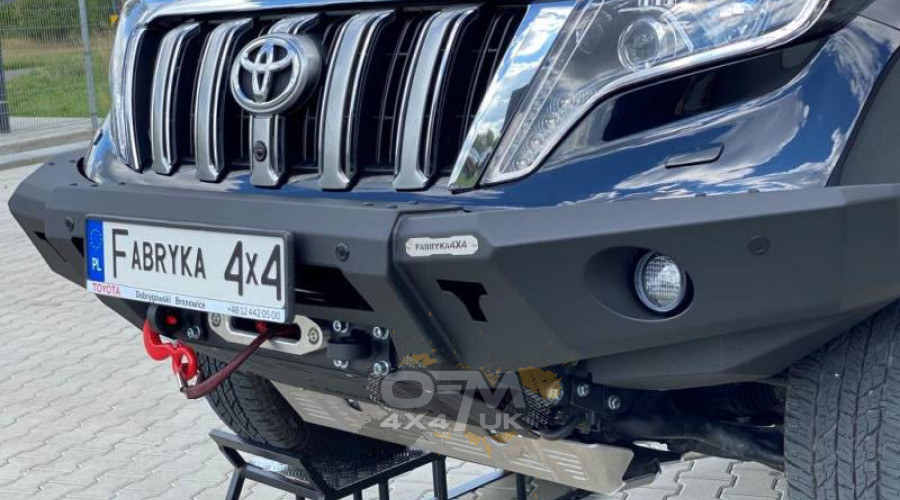
Winch bars are a vital tool for owners of 4x4 vehicles that often venture off the beaten track. These bars are designed to provide a secure and firm anchor for winches, allowing for easy and safe recovery of stuck vehicles. Winch bars come in different sizes to fit specific vehicles, and their installation requires specific legal considerations to ensure safety.
Owners of 4x4 vehicles often go off-road for various reasons, including camping, hunting, or exploring remote and wild areas. A winch bar is a necessary accessory because it enables them to get out of potentially hazardous situations and prevent accidents. The winch bar allows for the attachment of straps, chains, and ropes to ensure that the vehicle is safely pulled out of the troublesome spot.
However, installing a winch bar requires compliance with specific legal regulations and guidelines, regardless of the specific purposes and situations. The legal requirements for winch bar installation may vary depending on the vehicle's make and model and must be met to ensure legality and the passengers' safety. It's essential to understand and follow these regulations to avoid legal repercussions and accidents.
UK Winch Bar Laws
When installing a winch bar on your off-road 4x4 vehicle in the UK, there are several legal requirements that must be complied with. The primary regulations are contained in the Road Vehicles (Construction and Use) Regulations 1986 (as amended), which set out the requirements for the design, construction, and use of your vehicle, including any modifications made to it.
Legal Requirements for Winch Bars
Under the Road Vehicles (Construction and Use) Regulations 1986, any winch bar you install on your 4x4 vehicle in the UK must meet specific legal requirements to ensure its safety and the safety of other road users. These requirements include:
- The winch bar must not protrude more than 20cm beyond the widest part of your vehicle
- The winch bar must be securely attached to the chassis of your vehicle
- The winch bar must not adversely affect the proper working of any of the vehicle's systems, including the airbag system
- The winch bar must not obscure the driver's view of the road or any road signs or lights
It is important to note that any modifications made to your vehicle, including the installation of a winch bar, must comply with the requirements set out in the Road Vehicles (Construction and Use) Regulations 1986. Failure to comply with these regulations may result in fines and penalty points being added to your driving licence.
UK Off-Road Vehicle Regulations
In addition to the specific legal requirements for winch bars, there are also general regulations that apply to off-road 4x4 vehicles in the UK. These regulations include the requirement for off-road vehicles to be registered with the DVLA and to have valid road tax. Off-road vehicles are also subject to road traffic laws, including speed limits and drink driving limits.
Before using your off-road 4x4 vehicle equipped with a winch bar on public roads in the UK, it is essential to ensure that your vehicle complies with all legal requirements and regulations. Failure to comply with these regulations can result in penalties and, in some cases, the impoundment of your vehicle.
European Winch Bar Legality
It is important to note that the legality of winch bars for 4x4 vehicles in Europe may differ from the regulations in the UK. Some European countries have stricter laws regarding the use of winch bars, while others may not allow them at all. Therefore, it is imperative to research the specific winch bar regulations of the country you plan to use it in.
In general, all countries within the European Union follow the European Commission's guidelines, which state that any vehicle accessory, including a winch bar, must not harm the vehicle's performance, safety, or environmental impact. Additionally, the accessory must comply with the necessary technical requirements, such as size and weight specifications.
It is worth noting that some European countries, such as Germany, require a TÜV (Technischer Überwachungsverein or Technical Inspection Association) certification for winch bars to ensure their compliance with the safety standards. It is advisable to research and comply with all country-specific regulations to avoid any legal issues or penalties.
Safety Standards for Winch Bars
When it comes to 4x4 vehicle safety, using winch bars requires strict adherence to safety standards and guidelines. It is not only essential for ensuring the proper installation and usage of winch bars but also for maintaining the overall safety of the vehicle.
Legal requirements for winch bars are put in place to ensure the safety of both passengers and other vehicles on the road. These regulations vary from country to country, and it is crucial to be aware of the specific requirements in your region.
Winch bar safety standards include using high-quality materials and effective design to prevent damage to the vehicle and occupants. Proper installation is also essential to ensure that the winch bar can withstand the forces exerted during winching and recovery operations.
In addition to adhering to legal requirements and safety standards, it is essential to undergo regular maintenance and inspections of your winch bar. This helps to identify any potential defects and ensure that your winch bar remains in proper working condition.
In short, safety is paramount when it comes to using winch bars on 4x4 vehicles. By following the legal requirements, safety standards, and guidelines outlined in this article, you can enjoy the benefits of a winch bar while maintaining the safety of your vehicle and its occupants.
Maintenance and Inspections
Regular maintenance and inspections are crucial for ensuring the safe and legal usage of winch bars on 4x4 vehicles. Neglecting these tasks can lead to equipment failure and compromise the safety of the vehicle and its occupants. Therefore, it is essential to keep up with proper maintenance and inspection routines.
One of the most critical tasks in winch bar maintenance is ensuring that all bolts and nuts are tight and secure. Over time, the winch bar can experience vibrations from driving, leading to loose connections. Regular tightening of these bolts and nuts can prevent equipment failure.
Aside from checking the tightness of bolts and nuts, inspecting the physical condition of the winch bar is also necessary. This includes checking for any signs of wear and tear, such as cracks, dents, or rust. If any issues are present, they should be addressed as soon as possible to prevent further damage or failure.
Additionally, winch cables and hooks require inspection for signs of damage or wear. If the cable is frayed or the hook has any visible damage, it should be replaced immediately.
Overall, proper maintenance and inspection of winch bars are crucial for maintaining the legality and safety of 4x4 vehicles. Ensuring the continued functionality of the winch bar can provide peace of mind when using off-road vehicles.
Off-Road Vehicle Insurance Considerations
When it comes to insuring your off-road vehicle equipped with a winch bar, it's essential to consider several factors. First and foremost, check with your insurance provider to determine if they offer coverage for off-road vehicles and any additional coverage for winch bar usage.
Some insurance providers may offer specific packages for off-road vehicles, while others may require you to purchase additional coverage for winch bar usage. Be sure to read through the terms and conditions of any policy carefully to understand the level of coverage offered and any exclusions or limitations.
Furthermore, you should consider the value of your vehicle and any modifications you have made, including the winch bar. The coverage needed may vary depending on the value, age, and condition of your vehicle, as well as the risks associated with the terrain and activities you plan to undertake.
It's also worth noting that failure to comply with legal requirements and safety standards for winch bar usage could impact your insurance coverage. As such, ensure that your winch bar installation is professionally installed and complies with all relevant regulations and safety standards.
Overall, insuring your off-road vehicle equipped with a winch bar requires careful consideration and attention to detail. By understanding the specific coverage options, your vehicle value, and the relevant legal requirements and safety standards, you can ensure that your off-road vehicle is insured, legally compliant, and adequately protected.
Reputable Winch Bar Suppliers and Manufacturers
When looking to purchase a winch bar for your 4x4 vehicle, selecting a reputable supplier or manufacturer is paramount. By choosing trustworthy and reliable brands, you can ensure that your winch bar meets the necessary safety standards and regulations.
One way to find quality winch bar manufacturers is to seek out recommendations from other off-road enthusiasts or trusted mechanics who have experience with winch bars. You can also do your own research online and look for reviews and ratings from other customers.
When selecting a supplier, it's essential to check that they are an authorized retailer of reputable brands to protect yourself from receiving counterfeit or substandard products. Checking for accreditations and certifications is also advisable, to ensure that the supplier adheres to high standards of quality and safety.
Some well-known winch bar manufacturers and suppliers include ARB, TJM, Ironman 4x4, and Warn. These brands have an excellent reputation for producing high-quality and durable winch bars that are compliant with relevant legal requirements and safety standards.
Choosing the right supplier and manufacturer is essential for the longevity and safety of your winch bar and 4x4 vehicle. By doing your research and selecting a reputable brand, you can enjoy the benefits of a trusted winch bar without compromising on safety or quality.
Professional Installation and Compliance
Proper installation of a winch bar is essential for ensuring both the safety and legality of your 4x4 vehicle. While it may be possible to install a winch bar yourself, it is recommended that you seek the services of a professional installer to ensure that the installation is performed correctly and in compliance with all relevant regulations.
Professional installation services have the necessary expertise and equipment to perform the installation correctly, minimizing the risk of damage to your vehicle and ensuring that the winch bar is securely attached. Additionally, professional installation services will ensure that the winch bar is installed in compliance with all legal requirements, including any requirements for additional vehicle modifications or safety checks.
During the installation process, the professional installer will typically begin by identifying the proper location for the winch bar on your vehicle. They will then ensure that the installation is performed using the proper tools and techniques, with careful attention to all relevant safety standards and guidelines. Once installed, the winch bar will be thoroughly tested to ensure that it is fully functional and compliant with all legal requirements.
If you are considering installing a winch bar on your 4x4 vehicle, it is important to prioritize safety and legal compliance by seeking the services of a professional installer. By doing so, you can ensure that your vehicle is properly equipped for off-road adventures while maintaining legal compliance and safety on the road.
Conclusion
When it comes to using a winch bar for 4x4 vehicles, understanding the legality and safety requirements is crucial. By following the specific regulations and safety standards outlined in this article, you can ensure compliance and maintain safety on and off-road.
It is important to note that the legality of winch bars for 4x4 vehicles varies across the UK and Europe. Therefore, it is essential to be aware of the laws and regulations that apply to your specific location.
In addition to legal compliance, adhering to safety standards is crucial to avoid accidents and injuries. Regular maintenance and inspections are essential to keep winch bars in proper working condition. It is also advisable to seek professional installation services to ensure that the installation process complies with the legal requirements.
When purchasing a winch bar for your 4x4 vehicle, it is vital to choose a reputable supplier or manufacturer to ensure the quality and reliability of the product. Consider seeking advice from experts in the field and doing research to identify trustworthy brands and suppliers.
Overall, with proper understanding and adherence to the legal and safety requirements, winch bars for 4x4 vehicles can offer numerous benefits in off-road situations. Don't compromise on the safety and legality of your vehicle, and enjoy the peace of mind and security that a winch bar can provide.
Keywords: legality of winch bar, winch bar for 4x4 vehicles, winch bar regulations, safety standards.
FAQ
What is a winch bar?
A winch bar is a heavy-duty metal bar that is attached to the front of a 4x4 vehicle. It is designed to provide a secure mounting point for a winch, which is used to pull the vehicle out of difficult or stuck situations.
Are winch bars legal to use on 4x4 vehicles in the UK?
Yes, winch bars are legal to use on 4x4 vehicles in the UK. However, there are specific regulations and requirements that must be met to ensure compliance with the law.
What are the legal requirements for installing a winch bar on a 4x4 vehicle in the UK?
To install a winch bar on a 4x4 vehicle in the UK, it must meet certain legal requirements. The winch bar must be securely mounted to the chassis of the vehicle, and it should not obstruct the driver's view or interfere with any safety features. Additionally, the winch bar must be fitted with appropriate reflectors and be made of high-quality materials that can withstand the intended use.
Are there any additional off-road vehicle regulations that apply to winch bars in the UK?
Yes, apart from the specific requirements for winch bar installation, there may be additional off-road vehicle regulations that apply. These regulations can include restrictions on where and when winch bars can be used, as well as any height or weight restrictions for vehicles equipped with winch bars.
What are the rules regarding winch bars for 4x4 vehicles in Europe?
The rules and regulations regarding winch bars for 4x4 vehicles in Europe can vary by country. It is important to understand the specific requirements of individual countries when traveling with a 4x4 vehicle equipped with a winch bar.
What safety standards apply to winch bars for 4x4 vehicles?
Winch bars for 4x4 vehicles must meet safety standards to ensure their proper installation and usage. These standards typically include guidelines for load-bearing capacity, structural integrity, and impact resistance. It is important to choose a winch bar that meets these safety standards to ensure the overall safety of your vehicle.
How should winch bars be maintained and inspected?
Regular maintenance and inspections are crucial to keep winch bars in proper working condition. This includes periodically checking for any signs of damage or wear, lubricating moving parts, and ensuring proper alignment and attachment to the vehicle. It is recommended to consult the manufacturer's guidelines for specific maintenance requirements.
Do I need special insurance coverage for my 4x4 vehicle equipped with a winch bar?
Insuring your 4x4 vehicle equipped with a winch bar requires careful consideration. It is important to inform your insurance provider about any modifications made to the vehicle, including the addition of a winch bar. This ensures that you have appropriate coverage in case of any damage or incidents related to the winch bar.
How can I find reputable winch bar suppliers and manufacturers?
When looking for winch bar suppliers and manufacturers, it is important to choose reputable brands. You can research online, read customer reviews, and seek recommendations from other 4x4 vehicle enthusiasts or off-road communities. It is also important to consider factors such as warranty, customer support, and the availability of genuine spare parts.
Should I have a winch bar professionally installed?
Yes, it is highly recommended to have a winch bar professionally installed. A professional installation ensures that the winch bar is fitted securely and meets all the necessary legal requirements. It also reduces the risk of improper installation, which can compromise the safety and effectiveness of the winch bar.
Related Products


Leave a comment