


-32x32h.jpg)


-32x32h.jpg)

-32x32h.jpg)


-1000x1000h-32x32.jpg)


-32x32.png)


-32x32w.jpg)




-1000x1000w-150x150.jpg "DT Adventure Portable Camping 55L Compressor Car Fridge Freezer")
-1000x1000w-150x150.jpg "DT Adventure Portable Camping 55L Compressor Car Fridge Freezer")


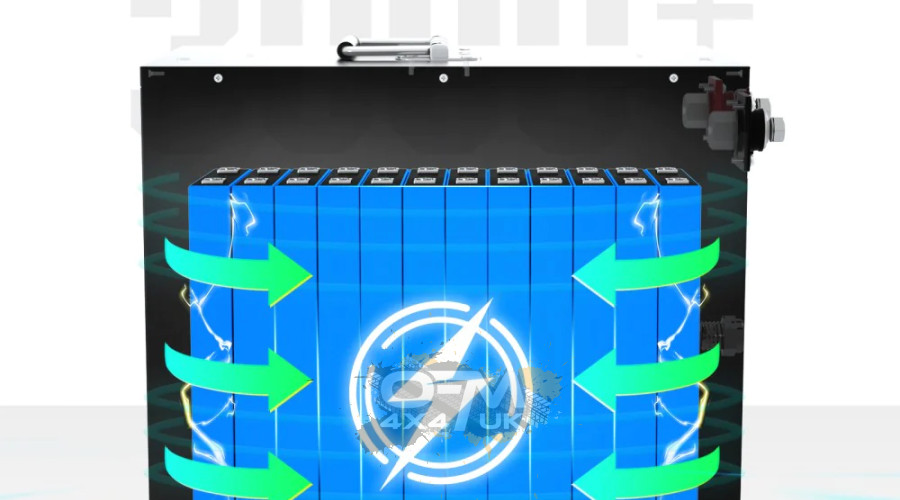
LiFePO4 Batteries vs. Lead-Acid and Lithium-Ion
When selecting a battery, various factors such as voltage requirements, capacity, and usage (cyclic or standby) are essential considerations. Among rechargeable batteries, LiFePO4 batteries distinguish themselves from sealed lead-acid (SLA) and traditional lithium-ion batteries in several vital performance areas. LiFePO4 batteries maintain consistent capacity despite discharge rates, unlike SLA batteries, whose capacity significantly decreases under high discharge rates. Additionally, LiFePO4 batteries are approximately 55% lighter than lead-acid alternatives, enhancing their application in mobile and portable energy storage solutions.
Charging speed is another area where LiFePO4 batteries excel, offering recharge times up to four times faster than SLA batteries, thus reducing downtime. Temperature performance further sets LiFePO4 apart, as they operate efficiently in both high and low-temperature environments, ensuring longevity and consistent discharge rates. Moreover, their installation flexibility—with no orientation restrictions due to individually sealed cells—adds to their appeal as innovative power supply technologies.
Key Takeaways
- LiFePO4 batteries offer consistent capacity independent of discharge rates.
- Lightweight compared to lead-acid batteries, enhancing mobile applications.
- Four times faster charging than SLA batteries, reducing operational downtime.
- Superior performance in both high and low-temperature environments.
- Flexible installation without orientation constraints.
Understanding Battery Technology: An Overview
In the realm of battery technology, grasping the chemical and electrical principles that differentiate various battery types is crucial. Lithium Iron Phosphate (LiFePO4) batteries and sealed lead-acid (SLA) batteries stand out as prevalent chemistries, each with distinct properties and applications.
A significant aspect of LiFePO4 batteries is their stable chemistry, which ensures consistent performance over a wide range of discharge rates. In contrast, SLA batteries often experience a noticeable drop in capacity as discharge rates heighten. For instance, an SLA battery's capacity may diminish to 60% at a high discharge rate of 0.8C, while LiFePO4 maintains its rated capacity irrespective of the discharge rate.
The progression of battery technology continues to address the burgeoning demand for efficient, dependable, and sustainable energy storage innovation across various industries. LiFePO4's ability to deliver unwavering performance in diverse conditions underscores its suitability for modern applications.
Moreover, understanding the key differences between these batteries can guide better decisions in selecting the appropriate technology for specific needs. As the industry evolves, innovations in energy storage promise to meet the increasing demand for reliable and sustainable power solutions efficiently.
Performance Comparison: LiFePO4 vs Lead-Acid
Comparing the performance of LiFePO4 and SLA batteries reveals notable distinctions, particularly in their ability to repeatedly charge and discharge efficiently and consistently.
Cyclic Performance Differences
When assessing cyclic performance, LiFePO4 batteries exhibit a remarkable advantage over SLA batteries. With a cycle life that can be up to ten times greater, LiFePO4 batteries significantly outperform in applications involving frequent discharge and recharge. This extended cycle life results in a lower cost per cycle, underscoring LiFePO4's superior economic value as fewer replacements are required over time.
Power Delivery Over Time
One of the key performance aspects of battery technology is power delivery throughout the discharge cycle. LiFePO4 batteries maintain a stable power output from start to finish, ensuring consistent performance. In contrast, SLA batteries experience a decline in power as they discharge, impacting the reliability of power delivery in applications such as electronic equipment, where uniform power is crucial.
| Performance Factor | LiFePO4 | SLA |
|---|---|---|
| Cyclic Performance | Up to 10x cycle life | Limited cycle life |
| Discharge Rate | Consistent performance | Reduced capacity at high rates |
| Power Delivery | Stable throughout | Decays over discharge cycle |
| Energy Storage Capacity | High and consistent | Decreases with usage |
Comparative Analysis: LiFePO4 and Traditional Lithium-Ion
In the realm of lithium-based technologies, both LiFePO4 and traditional lithium-ion batteries offer distinct advantages and applications. A comparative analysis reveals that LiFePO4 batteries are particularly lauded for their thermal stability, safety, and impressive battery cycle life. This sets them apart from conventional lithium-ion technology, which, while often prioritising energy density, may not provide the same level of robustness.
LiFePO4 benefits extend to applications where durability and longevity are critical, including electric vehicles and solar power systems. In contrast, traditional lithium-ion batteries are predominantly used in consumer electronics due to their higher energy density. The difference in energy storage performance between these two technologies highlights their varying strengths and suitability for specific applications.
Key distinctions that emerge from this comparative analysis are summarised in the table below, offering a clear overview for potential users to make informed decisions based on their specific needs:
| Aspect | LiFePO4 | Traditional Lithium-Ion |
|---|---|---|
| Thermal Stability | High | Moderate |
| Safety | Superior | Good |
| Energy Density | Lower | Higher |
| Battery Cycle Life | Long | Moderate |
| Applications | Electric Vehicles, Solar Power Storage | Consumer Electronics |
This detailed comparison underscores how each lithium technology serves different purposes, with LiFePO4 benefits including enhanced safety and longer battery cycle life, suitable for more demanding and safety-critical applications.
Weight and Size Considerations
When considering battery weight comparison, it is evident that LiFePO4 batteries hold a considerable edge over lead-acid counterparts in terms of both weight and size. These attributes greatly influence their suitability in various applications, especially those requiring mobility and ease of installation.
Impact on Mobile Applications
In mobile applications, every kilogram matters. The lighter weight of LiFePO4 batteries translates directly to increased efficiency and longer operational ranges, making them ideal for electric mobility and portable electronics. Their compactness not only enhances performance but also significantly eases energy storage handling.
Effect on Installation and Handling
The advantages of LiFePO4 batteries extend beyond their operational benefits. The reduced weight and size facilitate easier installation, save time, and decrease the potential for injury during handling. Additionally, LiFePO4 advantages include the ability to place batteries in locations where heavier lead-acid batteries would be impractical or unsafe.
| Aspect | LiFePO4 Batteries | Lead-Acid Batteries |
|---|---|---|
| Weight | Approximately 55% lighter | Heavier, bulkier |
| Form Factor | Compact and space-efficient | Larger size |
| Installation Ease | Quick and safe | Challenging due to weight |
| Handling | Easy and safe | Risk of injury due to weight |
Charging Times: LiFePO4 vs Lead-Acid and Lithium-Ion
Charging time is an essential factor in the performance and efficiency of battery-operated systems. The revolutionary LiFePO4 batteries boast significantly faster charging times compared to traditional lead-acid and lithium-ion counterparts. This advantage translates directly into improved operational efficiency and reduced downtime, making these batteries highly attractive for various applications.
Speed and Efficiency of Charging
LiFePO4 batteries are engineered to charge more rapidly than lead-acid batteries. Typically, they can reach full capacity up to four times quicker, marking a significant improvement in charging times. This faster charging capability is paramount in applications such as electric vehicles and backup power systems, where time is a critical constraint. The operational efficiency gained from faster charging ensures devices and systems are available for use more frequently.
Impact on Operational Downtime
The speed at which LiFePO4 batteries recharge not only enhances productivity but also reduces downtime dramatically. Lead-acid batteries take much longer to recharge, which necessitates longer periods of inactivity. Conversely, the LiFePO4 charging advantage allows for more continuous operation, particularly in industries where minimal downtime is crucial. Moreover, fewer batteries are required to sustain operational cycles, further boosting operational efficiency.
| Battery Type | Average Charging Time | Operational Downtime | Efficiency |
|---|---|---|---|
| LiFePO4 | 1-2 hours | Minimal | High |
| Lead-Acid | 8-12 hours | Significant | Moderate |
| Lithium-Ion | 2-4 hours | Moderate | High |
From faster charging times to reduced downtime, the operational benefits of LiFePO4 batteries are clear. Their rapid charging capability and superior efficiency make them a viable option for a broad spectrum of applications, ensuring both productivity and economic gains.
Temperature Performance: High and Low
In the realm of battery technology, temperature extremes pose significant challenges, affecting performance and longevity. However, LiFePO4 batteries exhibit remarkable capabilities to withstand both high and low temperatures, showcasing their superior thermal tolerance and battery efficiency.
High-Temperature Durability
When subjected to elevated temperatures, LiFePO4 batteries maintain exceptional performance. They boast high-temperature performance by retaining twice the cycle life of SLA batteries, even at room temperature. This thermal tolerance ensures reliable operation in environments where temperature variations could otherwise compromise battery efficiency.
Cold Temperature Performance
Conversely, low-temperature durability is another critical factor where LiFePO4 batteries excel. All batteries experience capacity reduction in cold conditions, but LiFePO4 outperforms SLA batteries by retaining 70% of their rated capacity at 0°F. In comparison, SLA batteries drop to a mere 45%, highlighting the superior LiFePO4 temperature resilience.
This resilient temperature performance makes LiFePO4 batteries a preferred choice for a variety of applications exposed to diverse environmental conditions, from solar systems to electric vehicles in different climates.
| Battery Type | High-Temperature Cycle Life | Low-Temperature Capacity at 0°F |
|---|---|---|
| SLA Batteries | Shorter | 45% |
| LiFePO4 Batteries | Twice as Long | 70% |
Application Suitability: When to Choose LiFePO4
When selecting the ideal battery technology, understanding its application suitability is crucial. LiFePO4 batteries excel in various contexts owing to their characteristic advantages in different usage scenarios.
Cyclic vs Standby Uses
For cyclic uses where energy is frequently charged and discharged, such as in electric vehicles, portable power packs, and solar energy systems, LiFePO4 batteries stand out due to their long cycle life and consistent discharge characteristics. Conversely, in standby applications like emergency power or UPS systems, these batteries offer the benefit of no need for float charging and minimal capacity loss over extended periods.
Automotive and Renewable Energy Sources
In the automotive sector, the lightweight and high energy density of LiFePO4 batteries is significant, contributing to reduced vehicle mass and enhanced efficiency and range. Additionally, for renewable energy storage, these batteries provide long life, a high depth of discharge, and robust temperature performance, making them an ideal choice for optimising the efficacy and reliability of solar, wind, and other renewable setups.
Cost Analysis: Initial Investment vs Long-Term Savings
When considering the cost-effectiveness of battery investments, it's essential to compare the initial investment with the potential long-term savings. Although the upfront cost of LiFePO4 batteries might appear higher than that of SLA batteries, the overall benefits come to light when evaluating the battery lifecycle cost. Thanks to their extended lifespan, often exceeding 5,000 cycles, LiFePO4 batteries significantly reduce the frequency of replacements needed. This attribute alone translates into substantial long-term savings for businesses and consumers alike.
Another considerable advantage lies in the faster charging times of LiFePO4 batteries, which minimises operational downtime and maintenance requirements. This efficiency further underscores the economic benefits of LiFePO4 technology. Moreover, their higher depth of discharge allows for selecting a lower capacity battery without compromising performance, effectively optimising initial investment costs.
To visualise the financial implications more clearly, compare the following factors of LiFePO4 and SLA batteries:
| Aspect | LiFePO4 | Lead-Acid (SLA) |
|---|---|---|
| Initial Investment | Higher | Lower |
| Lifespan (Cycles) | Over 5,000 | 300-500 |
| Charging Time | Fast | Slow |
| Operational Downtime | Reduced | Increased |
| Maintenance Costs | Minimal | High |
| Battery Lifecycle Cost | Lower in the long run | Higher in the long run |
It becomes clear that while the initial investment in LiFePO4 may be steeper, the long-term savings and economic benefits outweigh the initial expense. By focusing on these factors, decision-makers can ensure a cost-effective and efficient energy storage solution over time.
Environmental Impact: LiFePO4 vs Lead-Acid
In the realm of battery technology, the environmental impact of various energy storage solutions is increasingly scrutinised. LiFePO4 batteries, known for their long cycle life, present significant environmental benefits over lead-acid alternatives. Their durability means fewer replacements, thus reducing waste and the ecological footprint associated with lead-acid disposal.
Furthermore, eco-friendly batteries like LiFePO4 require less frequent maintenance and have a higher power density. This advantage translates to using fewer raw materials for the same capacity of sustainable energy storage, enhancing their green credentials. Lead-acid batteries, on the other hand, necessitate periodic maintenance and pose considerable disposal challenges due to their toxic content.
The transition to more sustainable energy storage systems is paramount for industries and consumers aiming to lessen their environmental impact. Investing in LiFePO4 batteries offers notable green advantages, aligning with global efforts to adopt eco-friendly technologies. By reducing the need for frequent replacements and minimising harmful waste, LiFePO4 batteries stand out as a responsible and efficient power solution for the future.
| Factor | LiFePO4 Batteries | Lead-Acid Batteries |
|---|---|---|
| Cycle Life | 3,000-5,000 cycles | 500-1,000 cycles |
| Eco-Friendly | High - less frequent replacement | Low - frequent replacement needed |
| Disposal Impact | Low | High |
| Maintenance | Minimal | Periodic |
| Material Usage | Lower raw material needs | Higher raw material needs |
Installation Flexibility and Safety
One significant advantage of LiFePO4 batteries is their exceptional installation flexibility. Unlike traditional SLA batteries, which require careful placement to avoid leakage, LiFePO4 can be installed in any orientation. This is due to their solid cell construction, which eliminates the risk of leakage and enhances placement versatility. Such flexibility simplifies the design of energy storage systems in confined or irregular spaces.
Orientation and Placement
LiFePO4 batteries provide unparalleled placement versatility, allowing them to be positioned in any orientation without compromising performance. This feature is particularly advantageous in applications with space constraints or unique storage requirements. The robust construction of LiFePO4 batteries ensures energy storage safety, making them ideal for a variety of installation scenarios from residential to industrial settings.
Safety Considerations
Safety is a paramount consideration in energy storage solutions, and LiFePO4 batteries excel in this regard. Their stable phosphate chemistry offers reduced risk of thermal runaway, distinguishing them from traditional lithium-ion batteries. This inherent battery safety makes LiFePO4 a compelling choice for applications where stringent safety standards are mandatory. Furthermore, the absence of leakage hazards contributes to overall energy storage safety, providing peace of mind to users.
The numerous LiFePO4 installation benefits make these batteries a superior choice for versatile and safe installations, whether in domestic environments, commercial settings, or industrial applications.
Storage Requirements and Shelf Life
Adequate storage and maintenance are essential to preserving battery health and ensuring longevity. One of the notable advantages of LiFePO4 batteries is their lower self-discharge rate compared to SLA batteries. This feature allows them to be stored for extended periods without losing a substantial amount of charge, which is particularly beneficial for applications that require seasonal use, such as recreational vehicles or backup power systems.
In terms of shelf life, LiFePO4 batteries do not need to be maintained at full charge during storage. This contrasts with SLA batteries that often require a trickle charge to avoid a reduction in lifespan due to self-discharge. Adhering to recommended storage guidelines helps LiFePO4 batteries retain their efficacy, making them a reliable energy storage option that can be readily employed as needed.
The benefits of proper storage recommendations and battery maintenance cannot be overstated. With excellent energy storage longevity, LiFePO4 batteries offer a dependable solution for both consumers and businesses. Their ability to maintain charge consistency and the lack of stringent full-charge requirements significantly simplify long-term storage and ensure readiness for use in various energy storage applications.
FAQ
What are the key differences between LiFePO4 batteries and lead-acid batteries?
LiFePO4 batteries are different from lead-acid batteries mainly in weight, performance, and charging efficiency. They are approximately 55% lighter, maintain capacity regardless of discharge rate, charge up to four times faster, and exhibit superior longevity and consistency in various temperature conditions.
How do LiFePO4 batteries compare to traditional lithium-ion batteries?
While both are lithium-based, LiFePO4 batteries are known for their thermal stability, safety, and long cycle life. Traditional lithium-ion batteries have higher energy density but are more suited to consumer electronics. In contrast, LiFePO4 batteries excel in applications requiring robustness and longevity, like electric vehicles and solar power storage.
What makes LiFePO4 batteries more efficient in mobile applications?
The lighter and smaller form factor of LiFePO4 batteries makes them ideal for mobile and remote deployments, offering advantages in transportation, ease of installation, and overall handling. This leads to enhanced performance and operational ranges in sectors like electric mobility and portable electronics.
Why are LiFePO4 batteries preferred for cyclic uses over lead-acid batteries?
LiFePO4 batteries have a significantly higher cycle life, maintaining consistent power output during discharge cycles. This makes them more suitable for applications such as electric vehicles, portable power packs, and solar energy systems, where energy is regularly charged and discharged.
How does the charging time of LiFePO4 batteries compare to lead-acid and traditional lithium-ion batteries?
LiFePO4 batteries charge up to four times faster than traditional lead-acid batteries, reducing operational downtime and improving productivity. This fast charging capability is beneficial for applications requiring continuous operation, like electric vehicles and backup power systems.
How do LiFePO4 batteries perform in extreme temperatures compared to lead-acid batteries?
LiFePO4 batteries show superior resilience in both high and low temperatures. They maintain a longer cycle life at elevated temperatures and deliver higher discharge capacities in cold environments, making them ideal for applications exposed to wide temperature ranges, from solar systems to electric vehicles.
What are the cost advantages of choosing LiFePO4 batteries over lead-acid batteries?
Despite a higher initial investment, LiFePO4 batteries offer long-term savings due to their extended cycle life, faster charging times, and minimal maintenance requirements. Their longevity and efficiency typically result in fewer replacements and continuous operational benefits.
How do LiFePO4 batteries benefit the environment compared to lead-acid batteries?
LiFePO4 batteries have a more favourable environmental profile due to their long cycle life and higher power density, resulting in less frequent replacements and reduced waste. They also have a smaller ecological footprint as fewer raw materials are needed to achieve the same energy storage capacity.
What installation advantages do LiFePO4 batteries offer?
LiFePO4 batteries can be installed in any orientation without the risk of leakage due to their solid cell construction. This flexibility simplifies placement in confined or irregular spaces and enhances safety due to their stable phosphate chemistry, reducing the risk of thermal runaway.
What are the storage requirements for LiFePO4 batteries compared to lead-acid batteries?
LiFePO4 batteries have a lower self-discharge rate, allowing them to be stored for longer periods without significant charge loss. They do not require to be kept at full charge during storage, unlike SLA batteries, reducing maintenance efforts and ensuring reliable power availability upon demand.
Related Products


Leave a comment