


-32x32h.jpg)


-32x32h.jpg)

-32x32h.jpg)


-1000x1000h-32x32.jpg)


-32x32.png)


-32x32w.jpg)


-150x150h.jpeg "Fabryka 4x4 Front Steel Winch Bumper for Version With Plastic Wheel Arch Extensions Toyota Land Cruiser J90 99-02")
-150x150h.jpeg "Fabryka 4x4 Front Steel Winch Bumper for Version With Plastic Wheel Arch Extensions Toyota Land Cruiser J90 99-02")
-150x150h.jpeg "Fabryka 4x4 Front Steel Winch Bumper with Bullbar for Toyota Land Cruiser J90 96-99")
-150x150h.jpeg "Fabryka 4x4 Front Steel Winch Bumper with Bullbar for Toyota Land Cruiser J90 96-99")
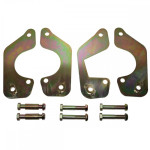
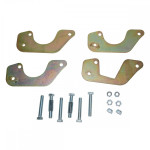




 Gone are the days when travelling off-road was a daunting task. Today, with advanced suspension technology, it's possible to have a smoother ride over rough terrains. One such crucial component of a 4x4 lifted vehicle's suspension system is the bump stop. Extended bump stops for 4x4 lifted vehicles in the UK are gaining popularity among off-road enthusiasts for their ability to enhance their vehicles' off-road capabilities.
Investing in quality extended bump stops is essential for an improved off-road experience. In this article, we will explore the benefits of extended bump stops, the different types available, how to choose the right ones for your lifted vehicle, and how to install and maintain them correctly.
Whether you're a seasoned off-roader or just starting, this guide will provide valuable insights into the world of extended bump stops for 4x4 lifted vehicles in the UK. Let's get started!
But before we dive in, let's define what extended bump stops are and their crucial role in a 4x4 lifted vehicle's suspension system.
What are Bump Stops?
When it comes to 4x4 lifted vehicles, bump stops are an essential component of the suspension system. They are designed to prevent the suspension from bottoming out and protect the vehicle's chassis from damage. Bump stops are typically made of rubber or polyurethane and sit at the top or bottom of the suspension travel.
As a vehicle travels over rough terrain, the suspension compresses, and the bump stops come into play. They cushion the impact of the suspension when it reaches the end of its travel, preventing damage to the vehicle's chassis. Without bump stops, the suspension can bottom out, causing a harsh impact that can lead to costly repairs and reduced off-road performance.
Bump stops can be found on both the front and rear suspension of a vehicle and come in various shapes and sizes. The correct bump stop size and position are critical for optimal off-road performance, making it essential to choose the right bump stops for your vehicle's specific needs.
Benefits of Extended Bump Stops
Off-road enthusiasts know that a smooth driving experience can make all the difference during a ride. This is where extended bump stops come in. They can greatly enhance the off-road experience of lifted vehicles by providing a smoother ride on rough terrains.
When a 4x4 lifted vehicle is driven on uneven surfaces, the suspension system can bottom out if it's not equipped with extended bump stops. This can lead to damage to the vehicle's chassis and a bumpy ride. Extended bump stops prevent the suspension from bottoming out and provide a cushioning effect, resulting in a more enjoyable and comfortable off-road experience.
Additionally, extended bump stops can also help improve stability and control during off-road driving. They reduce body roll and prevent the vehicle from swaying too much, resulting in safer driving.
Overall, investing in quality extended bump stops can make a significant difference in the off-road experience of lifted vehicles. They provide a smoother ride, enhance stability and control, and protect the vehicle's chassis from damage.
Types of Extended Bump Stops
There are various types of extended bump stops available in the market. However, when it comes to off-road vehicles, hydraulic bump stops are the ideal choice. These types of bump stops provide exceptional performance and durability, making them perfect for intense driving activities.
Hydraulic Bump Stops
Hydraulic bump stops work differently from conventional bump stops. These bump stops use a hydraulic fluid to provide added support and cushioning to the suspension system. When the suspension compresses, the hydraulic fluid is forced through small orifices, which slows down the bump stop's movement. This slows down the compression of the suspension, providing a smoother ride on rough terrains.
Unlike traditional bump stops, hydraulic bump stops can be adjusted to suit individual driving preferences. In addition, they can be easily installed on any off-road vehicle with extended lift kits.
Another benefit of hydraulic bump stops is that they prevent the suspension from bottoming out by absorbing the impact of large bumps. This helps protect the vehicle's chassis and prevents damage to the steering and suspension components.
Extended Bump Stops
Extended bump stops are an alternative to hydraulic bump stops. These bump stops are designed to provide additional cushioning to the suspension system when the vehicle is under heavy load. They are typically made from high-quality materials to ensure durability, longevity, and better performance.
Extended bump stops are suitable for off-road enthusiasts who want to improve their vehicle's off-road capabilities. These bump stops work by reducing the amount of compression in the suspension system, providing a smoother ride on bumpy terrains.
- Hydraulic bump stops and extended bump stops are two popular choices for off-road enthusiasts.
- Hydraulic bump stops provide exceptional performance and durability, and can be adjusted to suit individual driving preferences.
- Extended bump stops are made from high-quality materials to ensure longevity and better performance.
- Extended bump stops are suitable for off-road enthusiasts who want to improve their vehicle's off-road capabilities.
Choosing the Right Extended Bump Stops
Choosing the right extended bump stops for lifted vehicles is crucial for optimal performance. It's important to consider the lift height and weight of the vehicle to ensure that the chosen extended bump stops provide the necessary support and protection.
- Lift Height: When selecting extended bump stops, it's important to choose ones that are compatible with the lift height of your 4x4 vehicle. Choosing ones that are too short or too long, can result in a bumpy and uncomfortable ride. It's important to measure the distance between the bump stop and the axle at full droop to ensure a proper fit.
- Vehicle Weight: The weight of the vehicle also plays a critical role in selecting the right extended bump stops. Vehicles with heavier weights require extended bump stops with a higher spring rate to prevent bottoming out.
- Material: Extended bump stops come in different materials, including rubber, polyurethane, and aluminum. Rubber bump stops are generally softer and provide a smoother ride, whereas polyurethane and aluminum bump stops are more firm and provide better protection.
Considering these factors will help you choose the right extended bump stops for your lifted vehicle. It's important to invest in quality bump stops to ensure a smoother ride over rough terrains and to protect your vehicle's suspension and chassis from damage.
Installation of Extended Bump Stops
Proper installation of extended bump stops is crucial for optimal performance and safety of a 4x4 lifted vehicle. Follow these step-by-step instructions to ensure a successful installation:
- Prepare the vehicle: Park the vehicle on a flat surface and engage the parking brake. Lift the vehicle with a jack and support it with jack stands.
- Remove the wheels: Remove the lug nuts and wheels using an impact wrench or lug wrench.
- Remove the old bump stops: Locate the old bump stops and remove them. Depending on the type of bump stops, you may need to unbolt or cut them off.
- Install the new extended bump stops: Position the new extended bump stops correctly and bolt them in place. Make sure the bump stops are level and secure.
- Reinstall the wheels: Replace the wheels and tighten the lug nuts in a star pattern to ensure even tightening.
- Lower the vehicle: Lower the vehicle slowly and remove the jack stands.
- Test the bump stops: Test the bump stops by driving the vehicle over a rough terrain. Check for any unusual noises or vibrations.
It's important to note that installation may vary depending on the type of extended bump stops and the make and model of the vehicle. Always refer to the manufacturer's instructions for specific details.
Tips and Precautions
- Always use proper safety equipment, such as eye protection and gloves, when working on a vehicle.
- Never work under a vehicle that is only supported by a jack. Use jack stands to ensure stability and safety.
- Make sure the vehicle is properly aligned after installing extended bump stops, as they may affect the vehicle's suspension system.
- Inspect the extended bump stops regularly for any signs of wear or damage. Replace them if necessary.
By following these guidelines, you can ensure a safe and effective installation of extended bump stops on your 4x4 lifted vehicle.
Maintenance and Care of Extended Bump Stops
Proper maintenance and care of extended bump stops for your lifted 4x4 vehicle are essential for ensuring optimal performance and longevity. Here are some tips to help you maintain and care for your extended bump stops:
Regular Inspections
Regularly inspect your extended bump stops for any signs of wear or damage. Look out for cracks, tears, or any other visible damage. It is also important to check if they are still properly secured and torqued.
Cleaning
When cleaning your vehicle, pay attention to the suspension components, including the extended bump stops. Use a mild soap and water solution to clean them thoroughly. Avoid using harsh chemicals that could corrode the material.
Signs of Wear or Damage
If you notice any signs of wear or damage on your extended bump stops, it is important to address them immediately. Continued use of worn or damaged bump stops can lead to further issues with your suspension and negatively affect your off-road experience.
Lubrication
It is recommended to regularly lubricate your extended bump stops with a silicone-based lubricant. This will help prevent any build-up of dirt or debris. Be sure to wipe off any excess lubricant after applying.
Replacement
If your extended bump stops are significantly worn or damaged, it may be time to replace them. It is important to choose quality replacements that are properly rated for your lifted 4x4 vehicle. Don't compromise on quality.
By following these maintenance and care tips, you can ensure that your extended bump stops will provide you with a smoother off-road experience and a longer lifespan.
Conclusion
Investing in quality extended bump stops for 4x4 lifted vehicles in the UK is essential for an improved off-road experience. With extended bump stops, you can enjoy a smoother ride over rough terrains, enhanced off-road capabilities, and protection for your vehicle's chassis against suspension bottoming out.
When choosing extended bump stops, it's crucial to consider factors such as lift height and vehicle weight to ensure optimal performance. Hydraulic bump stops are an excellent choice for off-road enthusiasts due to their superior performance and durability.
Proper installation is necessary to achieve optimal performance, and regular maintenance and inspection are essential to ensure longevity and performance. Be sure to clean and inspect your extended bump stops regularly for signs of wear or damage.
In conclusion, if you're looking to enhance your off-road experience with smoother rides, investing in quality extended bump stops for 4x4 lifted vehicles is a must. Consider all the factors discussed in this article to choose the right extended bump stops for your vehicle and ensure proper installation and maintenance to achieve optimal performance and longevity.
FAQ
What are extended bump stops?
Extended bump stops are components that are added to a 4x4 lifted vehicle's suspension system to prevent the suspension from bottoming out when driving over rough terrains. They provide additional cushioning and protect the vehicle's chassis.
Why are extended bump stops important for off-road enthusiasts?
Extended bump stops are crucial for off-road enthusiasts as they enhance the vehicle's off-road capabilities. They provide a smoother ride over rough terrains and help maintain stability, especially during high-speed off-road driving.
Can extended bump stops be used on non-lifted vehicles?
Extended bump stops are specifically designed for lifted vehicles. They are not recommended for non-lifted vehicles as they may cause interference with the suspension system and affect the vehicle's performance.
How do I choose the right extended bump stops for my lifted vehicle?
When choosing extended bump stops for your lifted vehicle, consider factors such as the lift height and the weight of your vehicle. It is important to select bump stops that are compatible with your specific lift kit and suspension setup for optimal performance.
Can I install extended bump stops myself?
Installing extended bump stops can be done by individuals with mechanical knowledge and experience working with suspension systems. However, it is recommended to consult a professional for installation to ensure proper fitment and prevent any potential issues.
How often should I inspect and maintain my extended bump stops?
It is advisable to regularly inspect and maintain your extended bump stops. Check for any signs of wear or damage, and clean them as necessary. Additionally, it is recommended to follow the manufacturer's guidelines for maintenance and refer to your vehicle's service manual for specific recommendations.
Are hydraulic bump stops better than other types of extended bump stops?
Hydraulic bump stops offer significant advantages for off-road enthusiasts. They provide progressive damping, which means they absorb impact gradually, resulting in a smoother ride. Hydraulic bump stops also offer adjustable settings, allowing for customization based on specific driving conditions and preferences.
Where can I purchase quality extended bump stops for my lifted vehicle in the UK?
There are several reputable retailers and online stores in the UK that offer quality extended bump stops for lifted vehicles. It is recommended to research and compare different options, ensuring that you choose a reliable supplier with a good reputation for supplying genuine and reliable products.
Related Products

Leave a comment