


-32x32h.jpg)


-32x32h.jpg)

-32x32h.jpg)


-1000x1000h-32x32.jpg)


-32x32.png)


-32x32w.jpg)


-150x150h.jpeg "Fabryka 4x4 Front Steel Winch Bumper for Version With Plastic Wheel Arch Extensions Toyota Land Cruiser J90 99-02")
-150x150h.jpeg "Fabryka 4x4 Front Steel Winch Bumper for Version With Plastic Wheel Arch Extensions Toyota Land Cruiser J90 99-02")
-150x150h.jpeg "Fabryka 4x4 Front Steel Winch Bumper with Bullbar for Toyota Land Cruiser J90 96-99")
-150x150h.jpeg "Fabryka 4x4 Front Steel Winch Bumper with Bullbar for Toyota Land Cruiser J90 96-99")




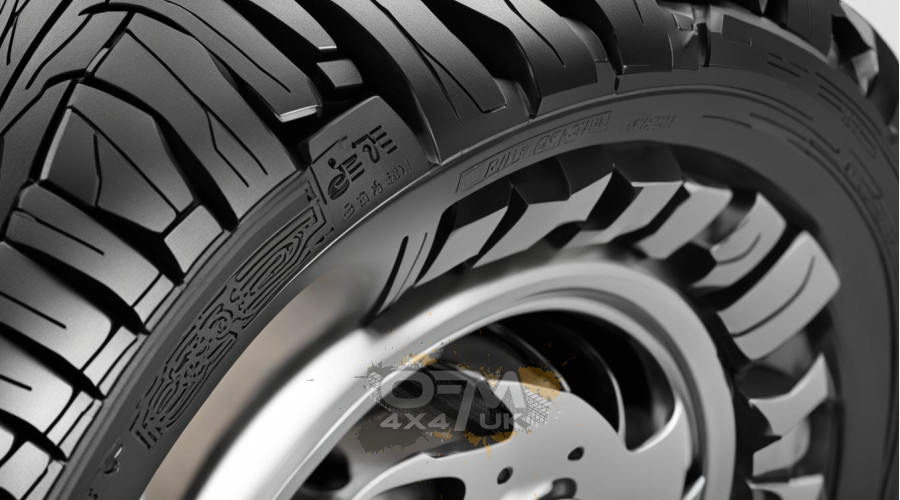
When it comes to tyres, there is a lot more to consider than just their appearance. Understanding the specifications of your tyres is crucial for optimizing your vehicle's performance and ensuring your safety on the road. From size and type to load index and speed rating, each specification plays a significant role in determining how your tyres will perform.
In this comprehensive tyre specifications guide, we will explore everything you need to know about tyre specifications, including the various tyre features and how they impact performance. We will cover topics such as tyre size, load index and speed rating, tyre construction, and maintenance to provide a complete understanding of what makes up a tyre's specifications.
Whether you are a new driver or an experienced one, this guide will provide valuable insights into the world of tyres and help you understand the various tyre specs that are critical to your driving experience. So, buckle up and get ready to learn everything you need to know about tyre specifications!
Key Takeaways
- Understanding tyre specifications is crucial for optimizing your vehicle's performance and ensuring your safety on the road
- Each tyre specification, including size, load index, speed rating, and construction, plays a significant role in determining how your tyres will perform
- Tyre maintenance, including regular inspections and proper pressure and alignment, is essential for extending the lifespan and improving the performance of your tyres
- Choosing the right tyres for your specific needs, such as those designed for specific driving conditions and vehicle types, can help maximize your tyre's performance
- Extended tyre warranties can provide additional coverage and peace of mind, but it is essential to understand their limitations and benefits before making a purchasing decision
Tyre Size Guide: Finding the Right Fit for Your Vehicle
Choosing the correct tyre size is crucial to maintain your vehicle's performance and safety levels while driving on the road. The specifications for a tyre include its size, width, aspect ratio, and load index, among other characteristics.
The tyre size is typically marked on the sidewall of your tyre and includes a series of numbers and letters that denote the dimensions of the tyre. For example, you might see a marking such as P205/55R16.
Here is a breakdown of what each component of the tyre size marking means:
| Component | Meaning |
|---|---|
| P | Passenger class |
| 205 | Width of the tyre tread in millimetres |
| 55 | Aspect ratio of tyre sidewall height to tyre width |
| R | Radial construction of the tyre |
| 16 | Diameter of the wheel rim in inches |
It is important to ensure that the tyre size you choose is the correct fit for your vehicle. If you are unsure, refer to your vehicle owner's manual or consult a professional mechanic for guidance. Installing the wrong size tyre can cause handling issues and compromise your vehicle's performance.
In addition to tyre size, the width and aspect ratio are also critical factors to consider when selecting tyres for your car.
The width of your tyre tread affects how much of the tyre makes contact with the road. Wider tyres can provide better traction, but they may also be noisier and less fuel-efficient. The aspect ratio, on the other hand, refers to the height of the sidewall as a percentage of the tyre's width. A lower aspect ratio can give your vehicle a sportier look, but it may also reduce ride comfort and make your tyres more vulnerable to damage from potholes or bumps on the road.
When selecting your tyre size, it is essential to consider your driving needs and the conditions you will encounter on the road. For example, if you often drive on uneven terrain or in harsh weather conditions, you may need to choose wider tyres with a higher aspect ratio for improved stability and traction.
Keep in mind that installing custom wheels or making modifications to your vehicle's suspension can also impact your tyre size and type requirements. Always consult a professional mechanic before making any changes to your vehicle's tyres or wheels.
Decoding Tyre Load Index and Speed Rating
When it comes to tyre specifications, the load index and speed rating are crucial factors to consider. These ratings indicate the maximum load capacity and speed capability of your tyres, respectively. Understanding these specifications is essential for maintaining optimal performance and safety on the road.
Load Index
The load index represents the maximum weight that a tyre can support when properly inflated. It is represented by a numerical code ranging from 1 to 279, with each number corresponding to a specific weight capacity in kilograms. The table below provides a breakdown of load index codes and their corresponding weight capacity:
| Load Index | Weight Capacity (kg) |
|---|---|
| 71 | 345 |
| 72 | 355 |
| 73 | 365 |
| 74 | 375 |
| 75 | 387 |
| 76 | 400 |
| 77 | 412 |
| 78 | 425 |
| 79 | 437 |
It's important to note that the load capacity indicated by the load index is per tyre, not for the entire vehicle. To ensure optimal performance and safety, it's crucial to select tyres with a load index that meets or exceeds the weight of your vehicle.
Speed Rating
The speed rating of a tyre indicates its maximum speed capability when properly inflated and under load. It is represented by a letter code ranging from A to Y, with each letter corresponding to a specific speed in kilometres per hour. The table below provides a breakdown of speed rating codes and their corresponding speeds:
| Speed Rating | Speed (km/h) |
|---|---|
| A | Up to 10 |
| B | Up to 50 |
| C | Up to 60 |
| D | Up to 65 |
| E | Up to 70 |
| F | Up to 80 |
| G | Up to 90 |
| J | Up to 100 |
| K | Up to 110 |
| L | Up to 120 |
| M | Up to 130 |
| N | Up to 140 |
| P | Up to 150 |
| Q | Up to 160 |
| R | Up to 170 |
| S | Up to 180 |
| T | Up to 190 |
| U | Up to 200 |
| H | Up to 210 |
| V | Up to 240 |
| W | Up to 270 |
| Y | Up to 300 |
It's important to select tyres with a speed rating that meets or exceeds the highest speed your vehicle is capable of, even if you don't plan on driving at that speed regularly. Failure to do so can result in tyre failure and compromise your safety on the road.
Understanding Tyre Construction: Radial vs. Bias-Ply
In the world of tyres, there are two primary methods of construction: radial and bias-ply. Understanding the differences between these constructions is crucial for selecting the right tyre for your vehicle and ensuring optimal performance.
The Bias-Ply Construction
The bias-ply construction, also known as cross-ply, is an older method that was popular before the introduction of radial tyres. This construction method involves layers of cords that criss-cross at a diagonal angle, with each layer running in the opposite direction of the previous one. The cords are made of materials such as nylon, polyester, or rayon, and are coated in rubber for durability and strength.
One significant advantage of the bias-ply construction is its ability to handle heavy loads and rough terrain. Tyres made with this construction are commonly used in off-road and agricultural applications, as well as on vintage or classic cars. Bias-ply tyres also have a stiffer sidewall, which makes them more resistant to punctures and impacts.
However, there are also drawbacks to the bias-ply construction. The criss-crossing cords create a "bias" that causes the tyre to distort under load, leading to uneven wear and reduced fuel efficiency. Additionally, the stiffer sidewalls can result in a harsher ride compared to radial tyres.
The Radial Construction
The radial construction method, introduced in the 1940s, is now the most common method for producing tyres. This construction involves layers of cords that run perpendicular to the direction of travel, with each layer running parallel to the previous one. The cords are typically made of steel or synthetic materials such as rayon or polyester, and are coated in rubber for added durability.
One significant advantage of the radial construction is its ability to provide a smoother ride and superior handling at high speeds. These tyres also have a more flexible sidewall, which allows for better absorption of road shocks. Radial tyres are typically lighter in weight than bias-ply tyres, which can also improve fuel efficiency.
However, there are also some drawbacks to radial tyres. They are not as durable as bias-ply tyres and are more susceptible to punctures and impacts. They also have limited load-carrying capacity compared to bias-ply tyres and may not be suitable for heavy-duty applications.
Choosing the Right Construction
When deciding between bias-ply and radial construction, consider the type of driving you will be doing and the load capacity requirements. If you need a tyre that can handle rough terrain and heavy loads, bias-ply may be the right choice. If you are primarily driving on paved roads and want a tyre that provides a smooth ride and superior handling, radial tyres may be the better option.
It is also essential to follow the manufacturer's guidelines when selecting tyres for your vehicle. The wrong type of tyre construction can negatively impact your vehicle's performance and safety.
Remember, the right tyre construction can make all the difference in your vehicle's performance and safety. Do your research and choose wisely.
Tyre Age: When to Replace Your Tyres.
While many factors contribute to tyre wear and ageing, drivers should not ignore the importance of regular inspections for tyre safety. The lifespan of a tyre is affected by various factors, including usage, storage, and weather conditions. The general rule of thumb is that tyres need to be replaced every 6 years, regardless of the mileage covered.
Ageing tyres can lead to a higher risk of blowouts, tread separation, and other dangerous driving conditions. To make sure you stay safe on the road, look out for these signs of ageing:
- Cracks in the sidewall or tread
- Bulges or blisters
- Uneven tread wear
- Excessive vibration or shaking while driving
If you notice any of these warning signs, it's essential to replace your tyres promptly. In some cases, it may be necessary to replace them earlier than the recommended 6-year time frame.
It's worth noting that even if your tyres look fine, you may still need to replace them due to age. Over time, the rubber in tyres hardens and loses flexibility, making it more challenging to grip the road. This is especially true in colder temperatures, where hard tyres struggle to maintain their grip, leading to longer stopping distances and reduced handling capabilities.
Checking the Age of Your Tyres
To check the age of your tyres, look for the DOT (Department of Transportation) code imprinted on the sidewall. The DOT code contains a four-digit number that represents the week and year the tyre was manufactured. For example, if the code reads "2719," it means the tyre was manufactured in the 27th week of 2019.
It's important to note that tyres can still degrade over time, even if they have not been used. If you have spare tyres, make sure to check their age regularly and replace them if they have exceeded the recommended 6-year lifespan.
Getting into the habit of inspecting your tyres regularly and replacing them when necessary is crucial for staying safe on the road. By keeping an eye out for signs of ageing and checking the age of your tyres regularly, you can help reduce the risk of accidents and ensure optimal performance from your vehicle.
Other Markings: Deciphering the Codes
Besides the standard specifications, tyre markings contain additional codes that provide valuable information about their features and performance. It is crucial to understand these markings to ensure you have the right tyre for your driving needs. Let us decode some of the most common tyre markings you might come across:
DOT code
The Department of Transportation (DOT) code is a series of numbers and letters that identify the tyre manufacturer, plant code, tyre size, and date of manufacture. The last four digits of the code represent the week and year the tyre was made. For example, the code "3418" means the tyre was made in the 34th week of 2018.
Treadwear grade
The treadwear grade is a measurement of how long the tyre can last based on a standardized test. A higher grade indicates the tyre will last longer. The treadwear grade is usually found on the sidewall and can range from 60 to over 700.
Traction and temperature grades
Traction and temperature grades are also found on the sidewall, and they indicate the tyre's ability to handle wet conditions and high temperatures. The traction grade ranges from AA (best) to C (worst), while the temperature grade ranges from A (best) to C (worst).
Max load and pressure
The maximum load and pressure markings indicate the most weight a tyre can carry and the maximum pressure it can handle. These markings are crucial for ensuring your safety on the road and avoiding overloading your tyres. Make sure to always follow these guidelines to avoid any accidents.
Run-flat technology
Some tyres come with run-flat technology that allows you to drive for a short period, even after a puncture or loss of air pressure. These tyres have a specific marking, usually "RFT," on the sidewall.
Understanding these additional markings is essential for selecting the right tyre and maintaining optimal performance and safety. Whenever purchasing new tyres, make sure to carefully examine the markings and consult with a professional if you have any doubts.
Maintaining Proper Tyre Pressure: The Key to Safety
Maintaining the correct air pressure in your tyres is essential for optimal performance on the road. Underinflated tyres can affect handling and fuel efficiency, while overinflated tyres can impact braking distance and tyre wear.
The correct tyre pressure for your vehicle can typically be found in the owner's manual or on a sticker located on the driver's side door jamb. It is essential to check the pressure regularly and adjust it as needed, especially before long trips or when carrying heavy loads.
One of the most common causes of underinflated tyres is a slow leak. It is essential to check all four tyres regularly, including the spare, and inspect them for punctures or other damage. You can use a tyre pressure gauge to measure the pressure and add air as needed.
It is also important to note that tyre pressure can fluctuate with changes in temperature. As the weather cools, tyre pressure can drop, and vice versa. Therefore, it is a good idea to check your tyre pressure once a month.
Effects of Improper Tyre Pressure
Driving with improper tyre pressure can have significant consequences for your vehicle's safety and performance. Here are some of the potential effects:
| Underinflated Tyres | Overinflated Tyres |
|---|---|
| Decreased fuel efficiency | Reduced traction and handling |
| Premature tyre wear and tear | Increased risk of hydroplaning on wet roads |
| Increased braking distance | Reduced ride comfort |
As you can see, proper tyre pressure is critical for maintaining your vehicle's safety and performance. Therefore, it is essential to check your tyre pressure regularly and adjust it as needed.
By following these guidelines for maintaining proper tyre pressure, you can ensure optimal performance and safety on the road. Don't let underinflated or overinflated tyres put you and your passengers at risk; make tyre pressure a priority and enjoy a smooth and safe driving experience.
The Importance of Wheel Alignment and Balancing
Proper wheel alignment and balancing are essential for safe and efficient driving. Wheel alignment refers to the adjustment of your vehicle's suspension, ensuring that the wheels are perpendicular to the ground and parallel to each other. Wheel balancing, on the other hand, is the process of evenly distributing the weight of your tyres and wheels to prevent vibrations and uneven wear.
It is recommended to have your wheel alignment checked every 10,000 miles or at least once a year, and your wheel balancing checked every 5,000 to 6,000 miles. Neglecting proper alignment and balancing can result in a range of issues, including:
- Uneven tyre wear
- Poor fuel efficiency
- Decreased handling and stability
- Increased braking distance
- Vibrations and noise
You can check your wheel alignment and balancing at any reputable tyre shop or mechanic. They will use special equipment to check the angles of your wheels and adjust them as needed.
It's important to note that improper wheel alignment and balancing can also have a significant impact on your tyre's lifespan. Misaligned wheels can cause your tyres to wear out more quickly, resulting in the need for replacements sooner than expected. This can be a significant expense, so it's imperative to take the necessary steps to maintain proper alignment and balancing.
Overall, proper wheel alignment and balancing are crucial for the performance, safety, and longevity of your vehicle's tyres. Regularly checking and maintaining these aspects will ensure that your tyres wear evenly, your vehicle handles properly, and you stay safe on the road.
Different Types of Tyres: Choosing the Right Fit.
Choosing the right type of tyre is crucial for maximizing performance and ensuring safety on the road. The type of tyre you need will depend on several factors, including the vehicle you drive and the driving conditions you typically encounter. Here are some of the most common types of tyres:
All-Season Tyres
All-season tyres are designed to provide reliable performance in a variety of driving conditions. They are suitable for use in mild winter conditions and offer good traction on both wet and dry roads. If you live in an area with occasional snow or ice, all-season tyres may be a good option for you.
Summer Tyres
Summer tyres are designed for use in warm weather conditions. They offer superior performance and handling on dry roads but may not be suitable for use in wet or slippery conditions. If you live in an area with hot summers, summer tyres may be a good choice for you.
Winter Tyres
Winter tyres, also known as snow tyres, are designed to provide optimal performance in cold and snowy conditions. They offer superior traction on snow and ice, making them an excellent choice for drivers who frequently face harsh winter weather conditions.
Performance Tyres
Performance tyres are designed for use on high-performance vehicles and offer excellent handling and responsiveness. They are typically made of softer rubber compounds, which provide better grip on the road. However, they may wear out more quickly than other types of tyres and may not be suitable for use in wet or icy conditions.
Off-Road Tyres
Off-road tyres are designed for use on rugged terrain and offer superior traction and durability. They are ideal for use on SUVs and other vehicles that frequently encounter unpaved roads or rough terrain.
Run-Flat Tyres
Run-flat tyres are designed to allow you to continue driving for a limited distance even after a puncture or other damage. They are equipped with reinforced sidewalls that can support the weight of the vehicle, even when the tyre is completely deflated. This can provide added safety and convenience in the event of a tyre failure.
When selecting the right type of tyre for your vehicle, it is essential to consider your driving habits and typical driving conditions. Additionally, be sure to consult with a tyre specialist or the manufacturer for recommendations on the best type of tyre for your specific needs.
Maximising Tyre Performance: Tips and Tricks
Proper maintenance and driving techniques can go a long way in enhancing your tyre performance, ensuring optimal safety on the road while extending the lifespan of your tyres.
Tip 1: Maintain Proper Tyre Pressure
Keeping your tyre pressure at the recommended levels is crucial for maximising tyre performance. Under or over-inflated tyres can lead to increased wear and tear, reduced fuel efficiency, and poor handling. Be sure to check your tyre pressure at least once a month and adjust as necessary.
Tip 2: Rotate Tyres Regularly
Rotating your tyres regularly can help distribute the wear and tear more evenly across all four tyres, extending their lifespan and improving performance. Aim to rotate your tyres every 5,000 to 7,500 miles or as recommended by your vehicle's manufacturer.
Tip 3: Practice Defensive Driving
Driving habits can significantly impact tyre performance. Avoid sudden stops and starts, drive at a moderate speed, and steer clear of potholes and other road hazards. Maintaining a safe distance from other vehicles and adjusting your driving to road and weather conditions can also reduce the strain on your tyres, increasing their longevity.
Tip 4: Check Wheel Alignment and Balance
Unbalanced or misaligned wheels can cause uneven wear and tear on your tyres, reducing their performance and lifespan over time. Regular wheel alignment and balancing can help address these issues, ensuring optimal tyre performance and handling. Aim to have your wheels aligned and balanced at least once a year or as recommended by your vehicle's manufacturer.
Tip 5: Choose the Right Tyres
The type of tyre you choose can significantly impact its performance and lifespan. Consider the driving conditions you will be facing, such as wet roads or rough terrain, and select a tyre that is suited to those conditions. Look for tyres with high ratings for tread wear, traction, and temperature, and consult with a tyre specialist if you need help selecting the right tyres for your vehicle.
"Practising proper driving habits and tyre maintenance will not only maximise your tyre's performance but also ensure optimal safety on the road."
The Importance of Regular Tyre Inspections
Regular tyre inspections are crucial for maintaining the safety and performance of your vehicle. By conducting thorough inspections, you can identify potential issues before they become major problems, ensuring that your tyres are in good condition and functioning optimally.
There are several key factors to consider during a tyre inspection. These include:
- Tyre Pressure: Ensure that your tyres are inflated to the correct pressure, as recommended by the vehicle manufacturer. Overinflated or underinflated tyres can lead to reduced traction, decreased handling, and uneven wear. Use a tyre pressure gauge to accurately measure pressure.
- Tread Wear: Check the tread depth of your tyres using a tread depth gauge. If the tread is worn down to 1.6mm or less, your tyres need to be replaced. Worn or bald tyres can reduce traction and increase the risk of hydroplaning in wet conditions.
- Irregular Wear: Inspect your tyres for signs of irregular wear, such as uneven wear patterns or cupping. These issues can indicate problems with alignment, suspension, or other components, and should be addressed by a professional mechanic.
- Damage: Look for any signs of damage, such as cuts, punctures, or sidewall bulges. These can compromise the safety and performance of your tyres and should be addressed immediately.
It is recommended that you inspect your tyres at least once a month, or before embarking on a long road trip. Additionally, it is essential to have your tyres professionally inspected by a trained technician periodically.
By taking the time to properly inspect your tyres, you can help ensure your safety on the road and prolong the lifespan of your tyres.
"Regular tyre inspections are a crucial part of vehicle maintenance. By checking your tyre pressure, tread wear, irregular wear, and signs of damage, you can identify potential issues early and ensure your tyres are functioning optimally."
Extended Tyre Warranty: Exploring Your Options
When purchasing tyres, it is essential to consider the warranty provided by the manufacturer. Tyre warranties offer additional coverage beyond the standard coverage and can protect you from unexpected expenses resulting from tyre damage or wear.
It is important to note that warranty coverage can vary depending on the manufacturer and tyre model. Some warranties may cover only certain types of damage or wear, while others may provide coverage for a specific period or mileage.
Types of Tyre Warranties
There are several types of tyre warranties available, including:
- Treadwear warranty: This type of warranty covers the expected lifespan of the tyre's tread. If the tread wears out before the specified mileage, the manufacturer will replace the tyre at no cost.
- Road hazard warranty: This warranty covers damage to the tyre caused by road hazards such as potholes, nails, or glass. If your tyre is damaged due to a covered hazard, the manufacturer will replace or repair the tyre free of charge.
- Workmanship warranty: This type of warranty covers defects in the manufacturing process of the tyre. If your tyre has a defect resulting from manufacturing, the warranty will cover the cost of repair or replacement.
- Prorated warranty: Prorated warranties offer a percentage of the cost of a new tyre based on the remaining tread depth when the tyre is replaced. For example, if a tyre is replaced at 50% of its expected tread life, the prorated warranty would provide 50% of the cost of a new tyre.
Understanding Warranty Limitations
It is important to understand the limitations of your tyre warranty to avoid any unexpected costs or denied claims. Most warranties have limitations and exclusions, such as:
- Damage resulting from improper use or maintenance
- Damage resulting from an accident or collision
- Damage resulting from racing or other high-performance driving
- Damage resulting from using non-approved rims or fittings
- Damage resulting from using tyres in extreme conditions or temperatures
Before purchasing tyres, it is important to review the warranty details and understand the coverage provided. If you have any questions or concerns about the warranty, be sure to ask the manufacturer or retailer for clarification.
Conclusion
As we conclude this comprehensive tyre specifications guide, we hope that you have gained a deeper understanding of the importance of tyre specifications. By taking into account factors such as tyre size, load index, speed rating, construction, and type, you can make informed decisions when selecting and maintaining your tyres.
Remember to regularly inspect your tyres for signs of wear and tear and maintain proper air pressure and alignment. These measures will not only ensure your safety on the road but also extend the lifespan and performance of your tyres.
Tips for Maximizing Tyre Performance
Proper maintenance is key to maximizing your tyre's performance. Here are a few tips to help you get the most out of your tyres:
- Rotate your tyres regularly to ensure even wear and tear.
- Avoid overloading your vehicle beyond its maximum capacity as this can cause excessive wear and tear on your tyres.
- Check your tyre pressure regularly and adjust it as per the recommended level.
- Drive carefully and avoid sudden acceleration or braking which can cause excessive wear on your tyres.
Extended Tyre Warranties
Some tyre manufacturers offer extended warranties to provide additional coverage. When considering an extended tyre warranty, it is important to read and understand the terms and conditions carefully. Remember that an extended warranty may not cover all types of damage or wear and tear, and there may be exclusions or limitations to the coverage.
By following the guidelines and recommendations in this tyre specifications guide, you can not only optimize your vehicle's performance but also ensure your safety on the road. Thank you for reading, and we wish you safe and enjoyable travels ahead!
FAQ
What are tyre specifications?
Tyre specifications refer to the specific details and characteristics of a tyre, such as its size, load index, speed rating, and construction. Understanding these specifications is crucial for selecting the right tyre for your vehicle and maximizing performance.
How do I choose the right tyre size?
To choose the right tyre size, you need to consider the width, aspect ratio, and diameter. The tyre size is usually indicated on the sidewall of the tyre. Refer to your vehicle's manual or consult a tyre professional to ensure you select the correct size for your vehicle.
What is a tyre load index?
The tyre load index indicates the maximum load capacity that a tyre can safely support. It is represented by a numerical code on the sidewall of the tyre. It is important to choose tyres with a load index that meets or exceeds your vehicle's weight requirements.
How do I interpret the speed rating on a tyre?
The speed rating on a tyre represents the maximum speed at which the tyre can safely operate. It is indicated by a letter code on the sidewall of the tyre. It is essential to choose tyres with a speed rating that matches or exceeds the top speed capability of your vehicle.
What is the difference between radial and bias-ply tyres?
Radial tyres have reinforcing cords that run across the tread from side to side, providing improved stability and handling. Bias-ply tyres have reinforcing cords that crisscross at an angle, making them more durable and suitable for certain applications. The choice between the two depends on your vehicle's requirements and driving conditions.
When should I replace my tyres?
It is recommended to replace tyres when they are more than 6 years old, regardless of tread depth. Additionally, if you notice signs of wear, cracking, bulging, or any other damage, it is advisable to replace the tyres. Regular inspections and maintenance will help identify when it's time for a tyre replacement.
What do the additional markings on a tyre mean?
Additional markings on a tyre provide information about its specific features, such as its traction rating, temperature resistance, and any specific certifications. These markings can help you understand the tyre's performance characteristics and its suitability for different driving conditions.
How do I maintain proper tyre pressure?
To maintain proper tyre pressure, use a tyre pressure gauge to regularly check the pressure and adjust it according to the recommended level specified by the vehicle manufacturer. Properly inflated tyres not only improve safety but also enhance fuel efficiency and tyre longevity.
Why is wheel alignment and balancing important?
Proper wheel alignment ensures that your tyres make optimal contact with the road, improving handling, and reducing tyre wear. Wheel balancing helps distribute the weight evenly, preventing vibration and prolonging tyre life. Regular wheel alignment and balancing are essential for optimal performance and safety.
What are the different types of tyres available?
There are various types of tyres available, including all-season, summer, winter, performance, and off-road tyres. Each type is designed for specific driving conditions and vehicle types. Consider your driving needs and consult a tyre professional to choose the right type of tyre for your vehicle.
How can I maximize my tyre's performance?
To maximize your tyre's performance, maintain proper tyre pressure, regularly inspect them for damage or wear, practice smooth driving techniques, and avoid overloading your vehicle. Additionally, ensure proper wheel alignment and balancing, and follow the recommended maintenance schedule provided by the tyre manufacturer.
Why are regular tyre inspections important?
Regular tyre inspections help identify potential issues such as wear, damage, or misalignment, which can affect tyre performance and safety. Inspecting your tyres for signs of aging, punctures, or uneven wear will allow you to address any problems promptly and maintain optimal performance on the road.
What should I know about extended tyre warranties?
Some tyre manufacturers offer extended warranties for additional coverage beyond the standard warranty. It is important to understand the terms and conditions of these warranties, including what they cover and how to make a claim. Extended warranties can provide added peace of mind and protection for your tyres.
Related Products
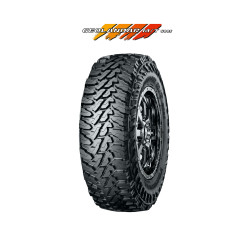
-250x250.png "315/75R16 121P Toyo Open Country M/T")
Leave a comment