


-32x32h.jpg)


-32x32h.jpg)

-32x32h.jpg)


-1000x1000h-32x32.jpg)


-32x32.png)


-32x32w.jpg)


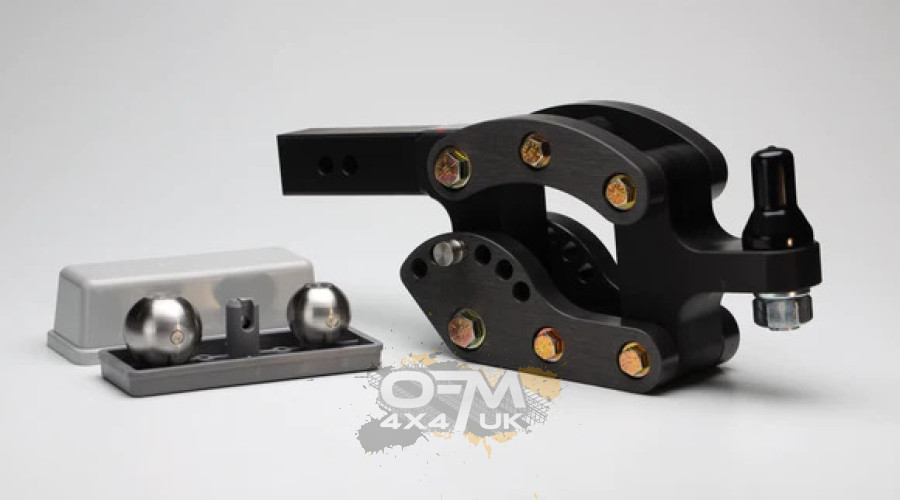
When it comes to towing, it's not just about hooking up and hitting the road. Proper trailer alignment and height play a pivotal role in ensuring that your towing experience is safe, efficient, and damage-free. Enter the adjustable tow hitch, a tool that many consider a game-changer. In this guide, we'll dive deep into the world of adjustable tow hitches, answering some of the most common questions, including their worth and legal considerations.
What is an Adjustable Trailer Hitch?
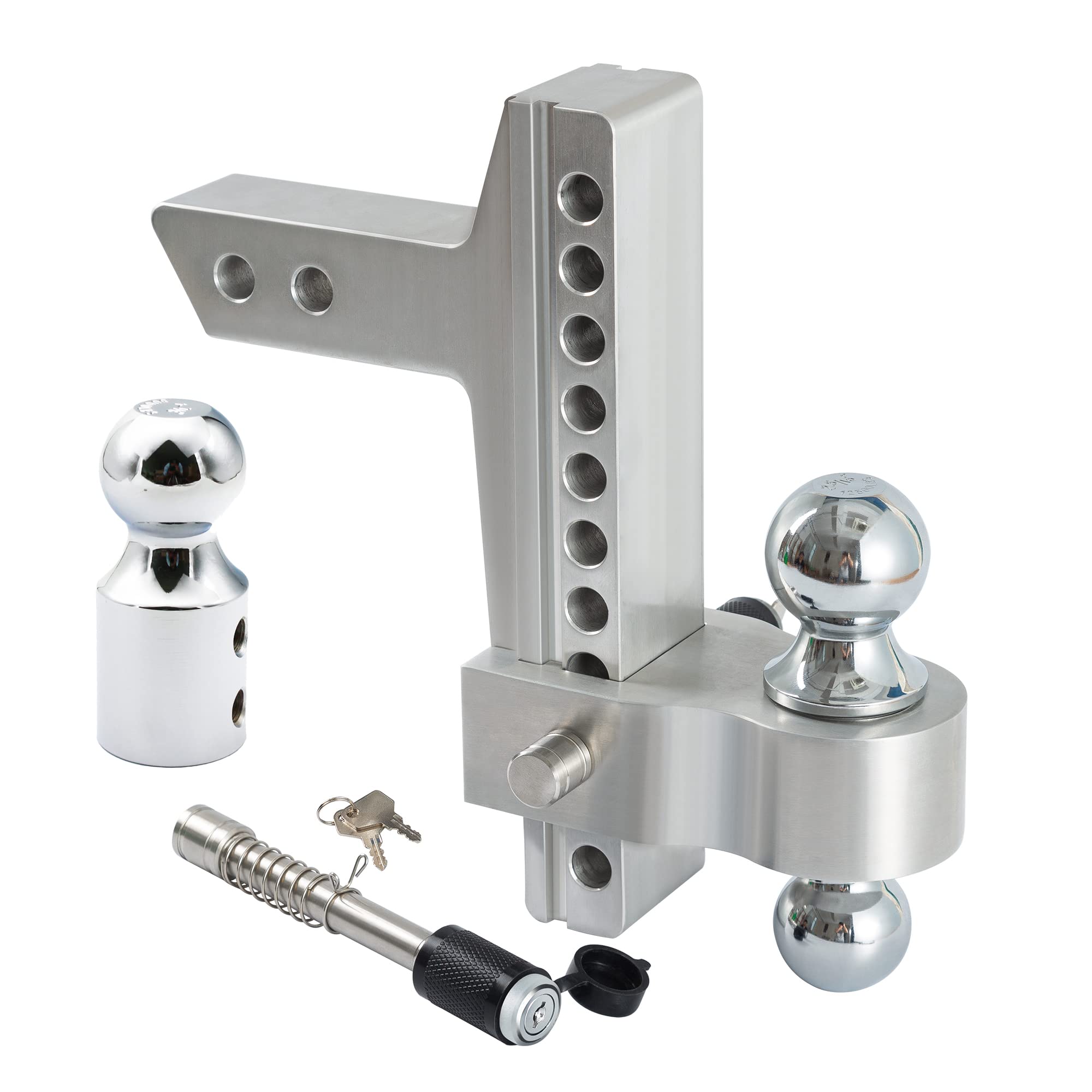
An adjustable trailer hitch is a type of towing hitch that allows the user to alter its height. Unlike fixed hitches that come at a pre-set height, adjustable hitches provide the flexibility to raise or lower the hitch ball, enabling the tow vehicle and the trailer to maintain a level position relative to the ground.
Why is this important? Towing with an uneven trailer can cause a range of problems, from uneven tire wear and poor fuel efficiency to decreased stability, making it susceptible to swaying or fishtailing.
The Pros and Cons of an Adjustable Hitch
Pros:
Versatility: One of the main advantages of an adjustable tow hitch is its versatility. This means that if you have multiple trailers of different sizes or if you switch vehicles, you won't need to purchase a new hitch each time.
Safety: A level trailer distributes weight evenly across its axles, ensuring optimal braking and handling. It also minimizes the risk of the trailer swaying.
Enhanced Durability: With the correct alignment, there's less stress on both the towing vehicle and the trailer, leading to decreased wear and tear.
Cons:
Cost: Adjustable hitches tend to be pricier than their fixed counterparts.
Weight: They might be heavier due to the additional components that allow for adjustability.
Are Towbar Drop Plates Legal?
Now, let's address a common concern: the legality of towbar drop plates. Towbar drop plates are used to alter the height of a towbar, especially if a hitch ball is too high. The legality of these drop plates varies depending on the country or state.
In many places, they are legal as long as they adhere to specific regulations and standards, such as thickness, width, and how much they can drop the tow ball. It's crucial to consult local regulations or consult a towing specialist in your region before fitting a drop plate.
How Do You Lower the Height of a Tow Ball?
Lowering the height of a tow ball often involves using an adjustable tow hitch or a drop plate. Here’s how:
Adjustable Tow Hitch: Simply unlock the mechanism, shift the hitch ball to the desired height, and lock it back into place.
Drop Plate: If using a drop plate, ensure you purchase the correct size. Attach the drop plate to your vehicle's existing towbar, then attach the tow ball to the drop plate at the desired height.
The Impact of Incorrect Hitch Ball Height
A misaligned tow setup can lead to several challenges:
Hitch Ball Too High: If the hitch ball is too high compared to the trailer's coupler, it might cause the trailer to slope downward at the front. This uneven weight distribution can lead to reduced traction on the trailer's front tires, making it unstable and prone to swaying.
Trailer Hitch Too High: If the trailer hitch itself is too high, it will cause the trailer to tilt upwards, putting undue stress on the rear tires and potentially reducing braking efficiency.
Is an Adjustable Hitch Worth It?
Considering the benefits of versatility, safety, and enhanced durability, many find that the investment in an adjustable hitch pays off in the long run. While it might be pricier upfront, the convenience, peace of mind, and potential savings from avoiding damage or wear on your vehicle and trailer often justify the cost.
Conclusion
Towing isn't just about getting from point A to point B; it's about doing so safely, efficiently, and with the least amount of stress on both your vehicle and trailer. An adjustable tow hitch offers an invaluable solution to achieving optimal alignment. By understanding its benefits and the impact of incorrect hitch heights, you can make informed decisions that protect your investments and ensure smoother journeys on the road.
Leave a comment