


-32x32h.jpg)


-32x32h.jpg)

-32x32h.jpg)


-1000x1000h-32x32.jpg)


-32x32.png)


-32x32w.jpg)




-1000x1000w-150x150.jpg "DT Adventure Portable Camping 55L Compressor Car Fridge Freezer")
-1000x1000w-150x150.jpg "DT Adventure Portable Camping 55L Compressor Car Fridge Freezer")


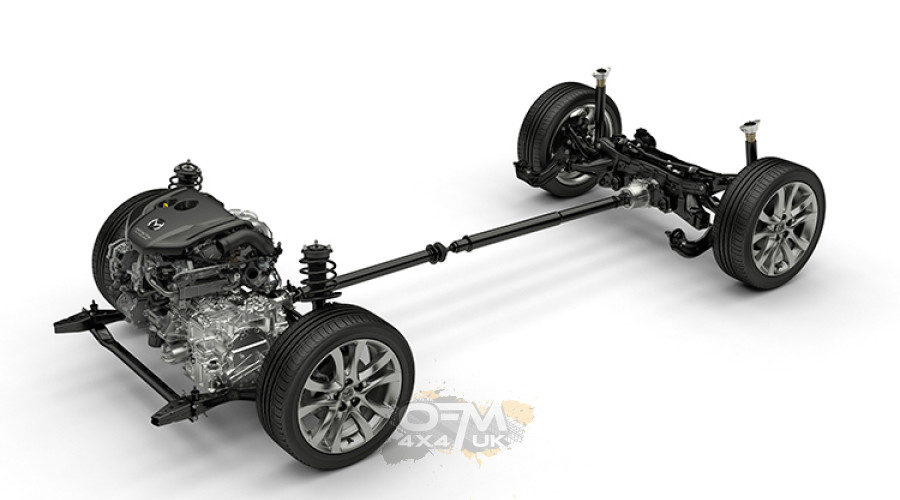
In the realm of automotive jargon, the terms 4x4, AWD, and 4WD are often thrown around, but their meanings can be elusive to many. These acronyms represent different drivetrain configurations that enhance a vehicle's traction and handling in diverse terrains. In this article, we will delve into the intricacies of each system, highlighting its unique characteristics and providing examples of European vehicles that utilize them.
4x4 - The All-Terrain Powerhouse
The term "4x4" signifies a four-wheel-drive system, which is primarily designed for off-road prowess and increased traction on rugged terrains. European automakers often integrate this system into SUVs and trucks to cater to adventure seekers and outdoor enthusiasts. The fundamental concept behind 4x4 lies in sending power to all four wheels simultaneously, ensuring that each wheel receives equal torque to maintain a grip on challenging surfaces.
A classic example of a European vehicle equipped with a 4x4 system is the Land Rover Defender. This legendary SUV's 4x4 capability, along with its robust construction, allows it to conquer tough trails and conquer any adverse weather conditions.
AWD - The Versatile All-Wheel Drive
AWD, short for All-Wheel Drive, is a drivetrain system that operates on all four wheels but distinguishes itself from 4x4 by employing a more sophisticated approach. AWD systems monitor road conditions constantly and distribute power between the front and rear wheels based on the level of traction required. This dynamic power distribution enhances stability and control, making it ideal for various driving scenarios, including normal road conditions and light off-road ventures.
A noteworthy European vehicle that exemplifies AWD technology is the Audi Quattro lineup. Audi's Quattro system is renowned for its efficiency in adapting to changing conditions, delivering an engaging driving experience on both slippery surfaces and dry tarmac.
4WD - The Off-Road Specialist
4WD, which stands for Four-Wheel Drive, is often used interchangeably with 4x4, but it usually refers to a more traditional system found in older SUVs and off-road-oriented vehicles. Unlike AWD, 4WD systems typically do not offer continuous power to all wheels; instead, they can be manually engaged when needed. This is particularly useful when traversing harsh off-road environments, as drivers can switch to 4WD mode to maximize traction and conquer challenging obstacles.
One of the prominent European vehicles known for its 4WD capability is the Mercedes-Benz G-Class. This iconic luxury SUV comes with a three-differential setup and locking features, enabling it to tackle demanding off-road trails with ease.
In summary, understanding the distinction between 4x4, AWD, and 4WD systems is crucial for selecting the right vehicle that suits your driving needs. European automakers have excelled in incorporating these different drivetrain configurations into their lineup, providing a diverse range of options for consumers with varying driving preferences.
Whether you seek a true off-road powerhouse like the Land Rover Defender, a versatile performer like the Audi Quattro models, or a specialized off-road conqueror like the Mercedes-Benz G-Class, the automotive market offers a wide array of options to cater to your specific requirements. So, before embarking on your next adventure, make sure to choose the drivetrain system that best matches your desired driving experience.
Related Products


Leave a comment