-32x32h.jpg)


-32x32h.jpg)

-32x32h.jpg)


-1000x1000h-32x32.jpg)


-32x32.png)


-32x32w.jpg)



-1000x1000w-150x150.jpg "DT Adventure Portable Camping 55L Compressor Car Fridge Freezer")
-1000x1000w-150x150.jpg "DT Adventure Portable Camping 55L Compressor Car Fridge Freezer")


Cannot find the required product? Contact us! More products are added every day.
Bestsellers in this category

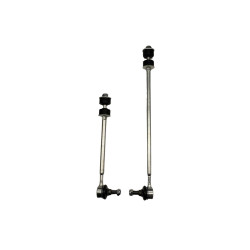


Sway Bars & Components — Stability and Cornering Control
Enhance handling, reduce body roll and sharpen steering response with upgraded sway bars and stabiliser components. This section covers anti-roll bars, adjustable links, bush kits and brackets designed to improve on-road comfort and off-road articulation for 4x4s and SUVs used in the UK.
Jump to: Key benefits • What’s in the range • Fitment notes • FAQ
Key benefits
- Sharper handling: Reduced body roll in corners for more confident road manners.
- Improved towing stability: Keeps trailers and caravans composed under load.
- Balanced articulation: Adjustable bars help fine-tune stiffness for mixed road/off-road use.
- Long-lasting hardware: Heavy-duty bushes and brackets withstand UK salt and grit exposure.
- Complete solutions: Kits available for front and rear axles, plus service components.
What’s in the range
- Complete sway bar kits with matched bushes, links and brackets.
- Replacement polyurethane bush kits for longer service life and quieter operation.
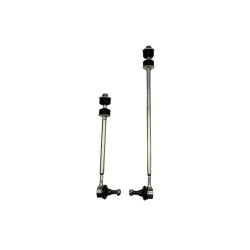
- Adjustable end links — correct bar angle on lifted or lowered vehicles.
- Mounting hardware sets — OE-style or heavy-duty replacements.
Fitment & advisory notes
Compatibility: Match the kit to your exact vehicle model and suspension type. If you’ve fitted a lift, adjustable links often restore factory sway-bar geometry.
Torque settings: Tighten with the vehicle on level ground to avoid pre-loading.
Lubrication: Polyurethane bushes benefit from periodic greasing to prevent squeaks.
Inspection: Replace perished rubbers or worn links to maintain steering precision and safety.
Frequently Asked Questions
- What does a sway bar do?
- It connects left and right suspension arms to resist roll in corners, improving handling and stability.
- Will upgrading sway bars make the ride harsher?
- Only slightly; they mainly act during cornering. On straight roads, comfort remains similar.
- Do I need adjustable links after a lift?
- Yes, once you raise the ride height by ~40 mm or more, adjustables help reset the bar’s neutral position.
- How often should bushes be replaced?
- Typically, every 50–80k miles or if you hear knocking or feel increased body roll.
- Are polyurethane bushes better than rubber?
- They last longer and tighten response, though they may transmit slightly more vibration.
- Is installation DIY-friendly?
- Front links and bushes can be done at home with stands and basic tools; full bars may need alignment afterwards.