


-32x32h.jpg)


-32x32h.jpg)

-32x32h.jpg)


-1000x1000h-32x32.jpg)


-32x32.png)


-32x32w.jpg)






-1000x1000w-150x150.jpg "DT Adventure Portable Camping 55L Compressor Car Fridge Freezer")
-1000x1000w-150x150.jpg "DT Adventure Portable Camping 55L Compressor Car Fridge Freezer")


Understand Your Brake Proportioning Valve - Car Safety Essentials
When it comes to car safety, the brake system is one of the most critical components. A well-functioning brake system can be the difference between avoiding an accident or colliding with another vehicle. One crucial part of the brake system is the brake proportioning valve. In this section, we will delve into the importance of the brake proportioning valve in maintaining balanced braking and ensuring your car's safety on the roads of the United Kingdom.
- The brake proportioning valve plays a crucial role in maintaining balanced braking in your vehicle.
- A well-functioning brake system is essential for car safety.
- Understanding the function of the brake proportioning valve can help you identify and address any issues with your brake system.
- Maintaining your brake proportioning valve is essential for optimal performance and longevity.
- Proper brake balance and efficient braking are crucial for your car's overall safety and performance.
What is a Brake Proportioning Valve?
When it comes to your car's braking system, the brake proportioning valve plays a crucial role in maintaining the proper brake pressure and balance during braking. As the name suggests, the brake proportioning valve helps to distribute the brake pressure between the front and rear wheels of your car, ensuring balanced braking and preventing wheel lock-up.
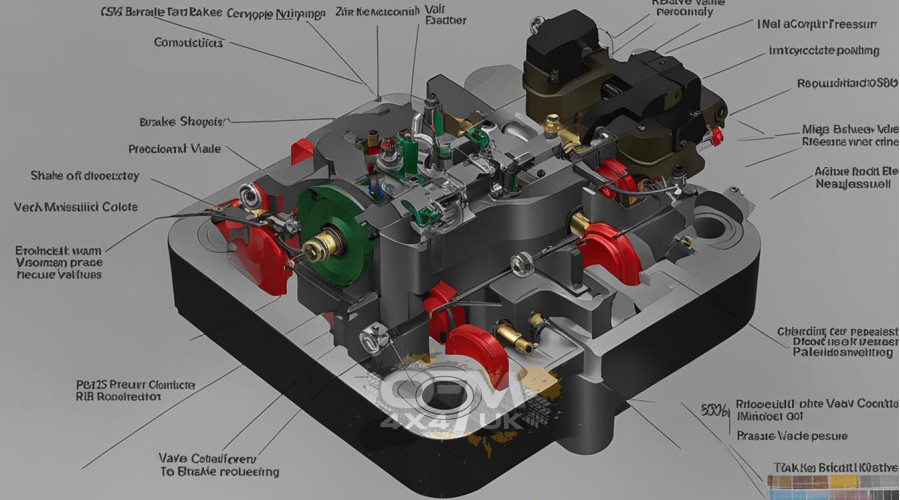
The brake proportioning valve is a component of the hydraulic brake system, which uses brake fluid to transfer the force from the brake pedal to the brakes. It is located between the master cylinder and the rear brakes and works by adjusting the hydraulic pressure applied to the rear brakes based on the weight distribution of the car.
In other words, when you apply the brakes, the brake proportioning valve reduces the amount of pressure applied to the rear brakes to prevent them from locking up. This helps to maintain stability and control of the car during braking, especially in emergency situations and during hard stops.
Overall, the brake proportioning valve is an essential component of your car's braking system, helping to ensure your safety on the road. Understanding its role and function is crucial for maintaining the proper brake pressure and balance during braking, which can ultimately prevent accidents and save lives.
How Does the Brake Proportioning Valve Work?
The brake proportioning valve is a vital component of your car's brake system. Its primary function is to distribute the brake pressure equally between the front and rear wheels, ensuring balanced braking and preventing wheel lock-up. Wheel lock-up can occur when there is too much brake pressure applied to one or more wheels, resulting in the wheel(s) stopping suddenly and potentially causing a loss of control on the road.
The brake proportioning valve acts as a brake pressure control valve, limiting the amount of hydraulic pressure sent to the rear brakes. This is because the weight of the car shifts forward during braking, causing more weight to be placed on the front wheels. As a result, the front wheels can handle more braking force than the rear wheels. By limiting the pressure to the rear brakes, the brake proportioning valve helps ensure that the rear brakes do not lock up, leading to a loss of control and potential accidents.
The brake proportioning valve achieves this balancing act by sensing the vehicle's weight transfer during braking. It then adjusts the pressure of the brake fluid that is delivered to the rear brakes, depending on the weight transfer. For example, if the car is carrying a heavy load in the back, the brake proportioning valve will adjust the pressure to send more fluid to the rear brakes to compensate for the extra weight on the rear wheels. Conversely, if the car is unloaded or carrying a light load, the valve will adjust the pressure to send less fluid to the rear brakes.
It is important to note that the brake proportioning valve is not the same as the brake bias valve. While the brake proportioning valve controls the pressure sent to the rear brakes, the brake bias valve controls the balance of braking force between the left and right wheels. This helps prevent the car from pulling to one side during heavy braking.
Importance of Brake Balance and Braking Efficiency
Brakes are one of the most critical components of any vehicle, and maintaining proper brake balance and efficiency is vital for your safety on the road. Brake balance valve, brake bias valve, and hydraulic brake proportioning valve are the major components that ensure optimal braking performance and safety of your vehicle.
The brake balance valve is responsible for the distribution of brake pressure between the front and rear wheels of your car. It adjusts the brake pressure based on the car's weight distribution, ensuring balanced braking.
The brake bias valve regulates the proportion of brake force that is applied to the wheels. It is mostly used in high-performance vehicles that require a customized brake balance setup, depending on the driving conditions.
The hydraulic brake proportioning valve is a specialized valve that controls the brake pressure between the front and rear wheels through hydraulic pressure. It ensures efficient brake performance and prevents wheel lock-up, especially during sudden braking.
All these components work together to ensure appropriate brake balance, which is critical for your car's safety. A properly balanced brake system enables better handling, reduces wear and tear, and lessens the risk of accidents.
Improved Braking Efficiency
Efficient braking is not only essential for safety but also for overall vehicle performance. A balanced brake system ensures that the brakes function optimally, leading to better control and stability while driving, especially at high speeds.
Additionally, an efficient brake system reduces brake fade, which is the loss of braking power due to overheating. It prevents overheating through proper distribution of brake pressure, ensuring consistent braking performance in any driving condition.
Table: Advantages of Properly Balanced Brakes
| Advantages | |
|---|---|
| 1 | Better handling and control |
| 2 | Reduced wear and tear |
| 3 | Prevents brake fade |
| 4 | Ensures consistent braking performance |
Conclusion
Having a properly balanced brake system is essential for your safety on the road and your vehicle's efficient performance. The brake balance valve, brake bias valve, and hydraulic brake proportioning valve are the crucial components that ensure optimal brake balance and efficiency. Maintaining these components and seeking professional assistance for their replacement or repair is crucial for ensuring the safety of your car and other road users.
Significance of Brake Proportioning Valve for Lifted Vehicles
If you own a lifted vehicle, you may have noticed that your brakes don't work as well as they should. This is because of the change in the weight distribution caused by the raised suspension. When you raise your vehicle, the distance between the wheels and brake pedal increases, reducing the amount of force applied to the brakes. This can lead to longer stopping distances and decreased overall braking performance, making it essential to install a brake proportioning valve (BPV) or a brake proportioning bracket.
A brake proportioning valve for lifted vehicles works by adjusting the brake pressure between the front and rear wheels. It ensures that the force applied to the brakes is balanced and can prevent the rear wheels from locking up during sudden stops. This can result in shorter stopping distances and improved overall braking performance.
Understanding Brake Proportioning Bracket for Lifted Vehicles
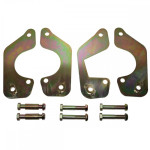
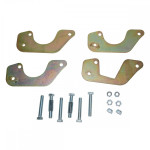
A brake proportioning bracket is a modification that can be made to the existing brake system on a lifted vehicle. It is an essential component in maintaining the proper brake balance of the vehicle. The bracket is installed in the existing brake line, and it limits the amount of hydraulic pressure to the rear brakes, achieving balance between the front and rear brakes.
| Benefits of Installing a Brake Proportioning Bracket | |
|---|---|
| Improved Braking Performance | |
| Shorter Stopping Distances | |
| Reduced Risk of Rear Wheel Lock-Up |
Installing a brake proportioning bracket for lifted vehicles is a relatively simple process that can be done with basic tools by an experienced mechanic. However, it is important to note that the bracket should only be installed by an experienced mechanic who has experience with brake systems.
Overall, the installation of a brake proportioning valve or a brake proportioning bracket for lifted vehicles is extremely important in ensuring that your vehicle's brakes perform at their best. Without these modifications, your car may not stop as quickly, which can be dangerous. Therefore, it is essential to have your brake system checked regularly by a professional to ensure that it is functioning correctly and to make the necessary adjustments to your vehicle's brake system.
Tips for Maintaining Your Brake Proportioning Valve
Proper maintenance of your brake proportioning valve is crucial for ensuring the safety and longevity of your vehicle's brake system components. Here are some essential tips to help you maintain your brake proportioning valve:
1. Regular Inspection
Regularly inspect your brake proportioning valve for any signs of wear and tear or damage. Look for leaks, cracks, or corrosion on the valve and its connections. If you notice any damage, have it repaired or replaced immediately to prevent potential brake failures.
2. Check the Brake Fluid Level
Make it a habit to check your brake fluid level at least once a month. Low brake fluid levels can cause braking issues and affect the performance of your brake proportioning valve. If the fluid level is low, add the recommended type of brake fluid to the reservoir.
3. Brake System Flushing
Flushing your brake system regularly helps remove any contaminants and debris that may accumulate over time and affect the performance of your brake system components. It is recommended to flush your brake system every two years or as recommended by your vehicle manufacturer.
4. Use the Right Brake Fluid
Using the right type of brake fluid is crucial for maintaining the proper functioning of your brake system components, including the brake proportioning valve. Check your vehicle manual for the recommended type of brake fluid and avoid mixing different types as it may affect the brake system's performance.
5. Professional Maintenance
Regular servicing by a professional mechanic can help detect any potential brake proportioning valve issues and ensure timely repairs or replacements. A professional can also inspect other brake system components to ensure they are functioning correctly.
"Remember, well-maintained brake system components, including the brake proportioning valve, are essential for your safety on the roads."
Common Signs of Brake Proportioning Valve Issues
If you experience any of these common signs, it may indicate an issue with your brake proportioning valve or related components. It's essential to address these issues promptly to ensure your safety on the road:
- Brake pedal feels spongy: If your brake pedal feels soft or spongy and requires more pressure to engage, it may indicate an issue with the brake proportioning valve.
- Vehicle pulls to one side: If you feel your vehicle pulling to one side when you brake, it may indicate an uneven distribution of braking force due to a faulty brake proportioning valve.
- Brake warning light: A warning light on your dashboard indicating a brake system problem is a clear indication that there may be an issue with the brake proportioning valve.
- Uneven tyre wear: Uneven tyre wear can indicate a problem with the brake proportioning valve as it distributes braking pressure between the front and rear wheels.
If you experience any of these issues, it's crucial to seek professional assistance to diagnose and repair the problem. Neglecting these issues can lead to brake failures, compromising your safety and that of others on the road.
Brake Proportioning Valve Replacement and Repairs
If you are experiencing issues with your braking system, it is crucial to address them promptly to prevent accidents and ensure your safety on the roads. One common cause of brake system problems is a malfunctioning or damaged brake proportioning valve. In this section, we will provide an overview of the replacement and repair process for the brake proportioning valve.
Brake Proportioning Valve Replacement
Replacing a brake proportioning valve can be a challenging task, requiring extensive knowledge of the brake system and expertise in handling the valve's components. It is essential to consult a professional mechanic or technician to ensure the proper installation of the new valve.
The replacement process typically involves the following steps:
- Locating the brake proportioning valve and identifying the cause of the malfunction or damage
- Removing the old valve and disconnecting any associated brake lines or fittings
- Installing the new valve and connecting the brake lines or fittings
- Bleeding the brake system to remove any air bubbles and ensure proper functioning of the new valve
It is important to note that the replacement process may differ depending on the specific vehicle make and model. Always refer to the manufacturer's instructions or consult with a professional before attempting any repairs or replacements.
Brake Proportioning Valve Repairs
Depending on the extent of the damage or malfunction, the brake proportioning valve may be repairable. However, attempting to repair the valve without proper expertise and equipment can lead to further damage and jeopardize the safety of your vehicle.
If a repair is possible, it may involve replacing certain components of the valve or adjusting its settings to restore proper brake pressure distribution. Again, it is essential to seek the assistance of a professional mechanic or technician to ensure the proper functioning of the repaired valve.
Overall, it is crucial to address any issues with your brake proportioning valve promptly to maintain the safety and efficiency of your braking system. Whether you require a replacement or a repair, it is always best to consult a professional to ensure optimal results.
Upgrading Your Brake Proportioning Valve
If you're looking to enhance the braking performance of your vehicle, upgrading your brake proportioning valve may be a viable option. The brake proportioning valve is a critical component of your car's brake system, responsible for maintaining the proper brake pressure and balance during braking.
Upgrading your brake proportioning valve can provide a range of benefits, including:
- Improved brake balance and control
- Reduced risk of wheel lock-up
- Better handling and stability
- Increased braking efficiency
There are many types of brake proportioning valves available in the market, including adjustable, fully electronic, and hydraulic proportioning valves.
Before upgrading your brake proportioning valve, it's essential to consider the specific needs of your vehicle and driving style. For example, if you use your car for racing or other high-performance activities, an adjustable proportioning valve may be the best choice. However, if you're looking for a more straightforward replacement option, a stock-style hydraulic proportioning valve may be sufficient.
It's important to note that upgrading your brake proportioning valve should be done by a professional mechanic or technician who has experience in brake system upgrades.
"Upgrading your brake proportioning valve can provide a significant improvement in your vehicle's braking performance, which can make all the difference in emergency situations."
Conclusion
Upgrading your brake proportioning valve can be an effective way to improve the braking performance and safety of your vehicle. However, it's crucial to choose the right type of proportioning valve for your specific needs and to have it installed by a professional mechanic. By taking these steps, you can ensure optimal braking performance and control on the roads of the United Kingdom.
Brake Proportioning Valve Regulations in the UK
Brake proportioning valve regulations in the United Kingdom are essential for ensuring the safety of vehicles on the road. The brake proportioning valve is a crucial component of the brake system that maintains brake balance and helps prevent accidents.
According to the UK's Department for Transport, all vehicles must comply with the Construction and Use Regulations. These regulations state that vehicles must have a braking system that can operate independently on each axle.
The brake proportioning valve must be designed and installed to prevent excessive rear-wheel braking, causing the brakes to lock up, resulting in a potential loss of vehicle control.
Additionally, brake proportioning valves must undergo regular inspections and maintenance to ensure they are working correctly. Any defects or issues must be addressed immediately to prevent brake failure and maintain optimal safety.
The Importance of Compliance with Brake Proportioning Valve Regulations
Non-compliance with brake proportioning valve regulations can result in penalties and fines for vehicle owners. Furthermore, it can also lead to serious accidents and injuries on the road.
It is critical to ensure that your vehicle's brake proportioning valve is functioning correctly and complying with the UK's regulations. Regular inspections and maintenance can help identify any issues and ensure your safety while driving.
Furthermore, if you are modifying your vehicle's suspension or brake system, it is essential to consider the impact on brake proportioning valve function and compliance with UK regulations. Brake proportioning brackets should be used to maintain brake balance for lifted vehicles.
Conclusion
Complying with brake proportioning valve regulations in the UK is vital for ensuring the safety of yourself and others on the road. Regular maintenance and inspections can help maintain optimal brake performance and prevent accidents. Remember to consult with a professional if you are modifying your brake system to ensure compliance with regulations.
Conclusion
As we've seen in this article, the brake proportioning valve plays a vital role in maintaining safe and efficient braking in your vehicle. By distributing brake pressure between the front and rear wheels, it ensures balanced braking and prevents wheel lock-up, reducing the risk of accidents.
Proper maintenance of your brake proportioning valve is essential to ensure its longevity and optimal performance. Regular checks and replacements, if needed, can prevent brake failures and keep you safe on the road.
If you notice any signs of brake proportioning valve issues, such as uneven braking or longer stopping distances, it's crucial to seek professional assistance. Attempting to repair or replace the valve yourself can lead to further damage and jeopardize your safety.
For lifted vehicles, a brake proportioning bracket can help maintain effective braking performance by compensating for the raised suspension.
Upgrading your brake proportioning valve may be necessary for specialized vehicles or those used in demanding driving conditions. However, it's essential to choose the right valve and ensure compliance with relevant UK regulations and standards.
By understanding the importance of your brake proportioning valve and following the tips and guidelines mentioned in this article, you can ensure optimal performance and safety on UK roads.
FAQ
What is a brake proportioning valve?
A brake proportioning valve is a component of the brake system in your vehicle. Its function is to distribute the brake pressure between the front and rear wheels, ensuring balanced braking and preventing wheel lock-up.
How does the brake proportioning valve work?
The brake proportioning valve works by controlling the amount of brake pressure that is applied to the front and rear wheels. It adjusts the pressure based on the weight distribution of the vehicle, ensuring that both sets of wheels contribute to effective braking.
Why is brake balance and braking efficiency important?
Brake balance and braking efficiency are vital for the overall safety and performance of your vehicle. Proper brake balance ensures that all wheels contribute equally to braking, preventing skidding or wheel lock-up. Efficient braking allows for quick and controlled stops, reducing the risk of accidents.
What is the significance of the brake proportioning valve for lifted vehicles?
Lifted vehicles pose a challenge to braking performance due to the raised suspension. The brake proportioning valve helps to maintain effective braking by distributing the pressure correctly, even with the altered suspension height. Using a brake proportioning bracket specifically designed for lifted vehicles can further enhance braking performance.
How can I maintain my brake proportioning valve?
To ensure the longevity and proper functioning of your brake proportioning valve, regular maintenance is essential. Keep the valve and associated components clean and free from debris. Inspect for any signs of leaks or damage and have them repaired promptly. Regularly check the brake fluid levels and ensure they are within the recommended range.
What are common signs of brake proportioning valve issues?
Common signs that may indicate an issue with your brake proportioning valve include uneven braking, the vehicle pulling to one side during braking, increased stopping distances, and a spongy or low brake pedal feel. If you experience any of these symptoms, it is important to have your brake system inspected and repaired as necessary.
How can I replace or repair my brake proportioning valve?
Brake proportioning valve replacement or repair should be done by a professional. This ensures proper installation and calibration of the valve to maintain optimal braking performance. Attempting to replace or repair the valve yourself may lead to further damage and compromise your safety on the road.
Can I upgrade my brake proportioning valve?
Upgrading your brake proportioning valve is possible and can be beneficial, especially for specialized vehicles or those used in demanding driving conditions. Consult with a professional to determine the best upgrade options for your specific vehicle and braking needs.
What are the regulations for brake proportioning valves in the UK?
Brake proportioning valves in the UK must comply with relevant regulations and standards to ensure safe operation. These regulations outline specific requirements for brake balance, distribution, and performance. It is important to ensure that your brake proportioning valve meets these regulations to maintain roadworthiness and comply with the law.
Leave a comment