


-32x32h.jpg)


-32x32h.jpg)

-32x32h.jpg)


-1000x1000h-32x32.jpg)


-32x32.png)


-32x32w.jpg)



-1000x1000w-150x150.jpg "DT Adventure Portable Camping 55L Compressor Car Fridge Freezer")
-1000x1000w-150x150.jpg "DT Adventure Portable Camping 55L Compressor Car Fridge Freezer")




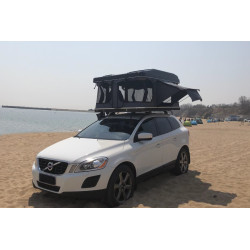
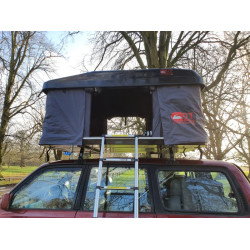

Imagine waking up to the gentle rustling of leaves, surrounded by breathtaking landscapes, and a sense of pure tranquillity. This is the allure of wild camping, an increasingly popular way to immerse oneself in nature and escape the confines of traditional campsites. However, it's important to be aware of the current legislation in different European countries to ensure that your wild camping experience is not only memorable but also lawful. Let's delve into what wild camping is and how European legislation governs this outdoor activity.
Wild camping, also known as free camping, is the act of setting up a temporary camp in the wilderness, away from designated campsites and established facilities. It allows outdoor enthusiasts to experience nature in its purest form, away from the crowds and constraints of traditional campgrounds. Wild camping is often associated with solitude, self-sufficiency, and a deep connection with the natural environment.
While the concept of wild camping is appealing to many, it's important to respect and abide by the specific regulations and legislation in each European country. Here's an overview of the current legislation regarding wild camping in some popular European destinations:
Scotland
Scotland is known for its stunning landscapes and robust wild camping culture. The Land Reform (Scotland) Act 2003 allows individuals to camp on most unenclosed land, as long as it's done responsibly and respectfully. The Scottish Outdoor Access Code provides guidance on responsible camping, emphasizing the importance of leaving no trace and respecting the environment and local communities.
Norway
In Norway, the right to roam, known as "allemannsretten," allows individuals to camp on uncultivated land for up to 48 hours, as long as they keep a minimum distance of 150 meters from inhabited houses or cabins. However, some municipalities may have specific regulations, so it's advisable to research and comply with local guidelines.
Sweden
Sweden also embraces the concept of "allemansrätten" or the right of public access. It grants individuals the freedom to camp on uncultivated land for a limited period, as long as they don't disturb or damage the environment, show respect for wildlife, and clean up after themselves.
France
Wild camping in France is generally prohibited unless explicit permission is granted by the landowner. However, certain areas, such as high mountain regions, may have specific regulations or designated bivouac areas where overnight stays are allowed. It's essential to research local rules and seek permission when necessary.
Germany
Germany has varying regulations on wild camping, depending on the federal state and the landowner's consent. In some regions, wild camping is strictly prohibited, while in others, it may be allowed in specific areas or during certain times of the year. It's crucial to check with local authorities or landowners for permission and guidance.
Spain
In Spain, wild camping is generally restricted and prohibited in most areas. However, some regions may have designated areas or specific regulations allowing overnight stays in certain circumstances. It's important to research and adhere to local laws to avoid any legal issues.
It's important to note that this is just a brief overview and wild camping legislation can vary widely within each European country. It's essential to research and familiarize yourself with the specific rules and guidelines of the region you plan to visit.
When engaging in wild camping, regardless of the location, it's crucial to follow these general principles to ensure a responsible and sustainable experience:
Leave No Trace: Pack out everything you bring in, including all waste. Leave the campsite as you found it, without leaving any traces behind.
Respect Nature and Wildlife: Avoid disturbing the natural environment, wildlife, and vegetation. Keep a safe distance from wildlife and observe them from afar.
Follow Fire Safety Measures: If campfires are allowed, use designated fire pits or bring a portable camping stove. Always extinguish fires properly and follow any fire safety regulations.
Be Considerate of Others: Respect the privacy and tranquillity of other campers, hikers, and local communities. Keep noise levels to a minimum and follow any specific local guidelines.
Obtain Permission if Required: If wild camping is restricted or prohibited, seek permission from landowners or authorities before setting up camp.
Wild camping offers a unique opportunity to connect with nature and create lasting memories. By adhering to the current European legislation and following responsible camping practices, we can ensure that this beloved outdoor activity remains sustainable and enjoyable for all. Remember to research the specific regulations of your chosen destination and embrace the beauty of the wilderness responsibly.
Related Products





Leave a comment