


-32x32h.jpg)


-32x32h.jpg)

-32x32h.jpg)


-1000x1000h-32x32.jpg)


-32x32.png)


-32x32w.jpg)


-150x150h.jpg "Fabryka 4x4 Front Winch Bumper with Bullbar Toyota Land Cruiser HZJ 71 99-07")
-150x150h.jpg "Fabryka 4x4 Front Winch Bumper with Bullbar Toyota Land Cruiser HZJ 71 99-07")
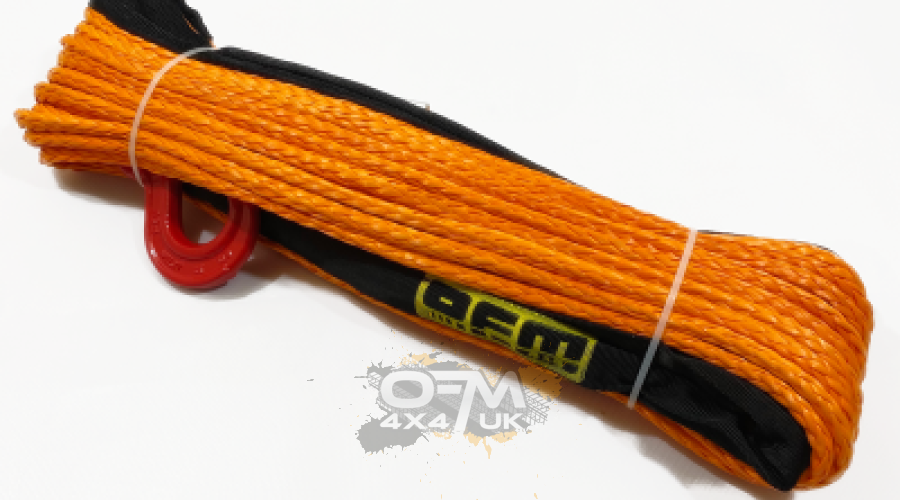
Synthetic Rope vs Steel Cable for Winch: Which Is Better?
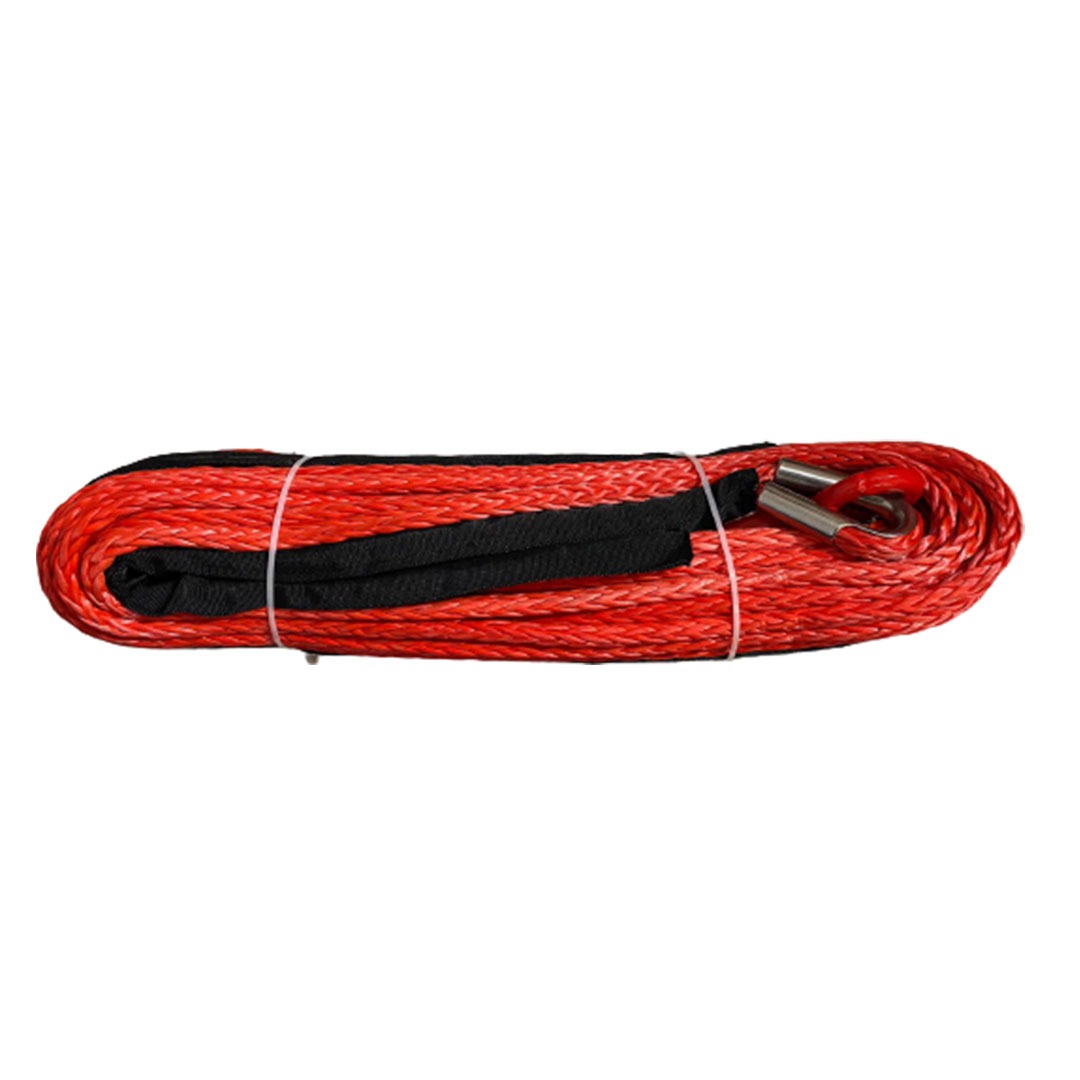 When it comes to winching applications, selecting the right rope or cable is crucial. Synthetic rope and steel cable are two popular options with distinct advantages and disadvantages. While steel cable has been the go-to choice for many years, synthetic rope has gained popularity in recent years due to its lightweight and low-maintenance properties. So, which one is better for your winching needs? Let's take a closer look at the advantages and considerations of each option.
Key Takeaways
- Synthetic rope and steel cable are both viable options for winching applications.
- Synthetic rope is lightweight and easy to handle, making it ideal for regular winching tasks.
- Steel cable is more durable and suitable for heavy-duty applications and extreme conditions.
- The choice between synthetic rope and steel cable ultimately depends on the specific requirements of your winching tasks.
- Consider the weight, strength, and practicality factors when deciding which option is better suited for your winch.
Understanding Synthetic Rope for Winch
When it comes to winching, synthetic rope has gained popularity as a potential alternative to traditional steel cable. Synthetic rope, also known as rope for winch, is made from high-strength synthetic fibres, such as Dyneema or Spectra. This modern solution offers several benefits over steel cable, making it particularly appealing to off-road enthusiasts and regular winching tasks.
Synthetic rope is lightweight, flexible, and easier to handle than steel cable. Its lightweight property reduces the overall weight of your winch setup, making it ideal for vehicles with weight restrictions or those aiming for better fuel efficiency. It is also easier to wind and unwind, resulting in smoother and more controlled winching with synthetic rope. Furthermore, it floats on water, which can be advantageous in certain situations.
Did you know that synthetic rope has a much greater strength-to-weight ratio than steel cable?
Despite its lightness, synthetic rope has a much greater strength-to-weight ratio than steel cable, and can still carry heavy loads with ease. The rope for winch also has an excellent shock absorption ability, reducing the amount of stress transferred to your winch during use. This feature not only reduces the wear and tear on your winch but also extends the lifespan of your synthetic rope.
Another benefit of using synthetic rope for winching is its safety feature. If synthetic rope breaks under tension, it does not store energy like steel cable, meaning it is less likely to cause injury. Synthetic rope is also resistant to corrosion and does not require lubrication, making it low maintenance. These features not only ensure a safer winching operation, but also savings in terms of time and cost in the long run.
Overall, synthetic rope is becoming a popular choice for winching due to its many advantages over steel cable. Its outstanding performance and practicality make it a reliable option for regular winching tasks, making winching with synthetic rope a preferred option for off-road enthusiasts and professionals alike.
Advantages of Synthetic Rope
Synthetic rope offers numerous benefits over steel cable for winching tasks. Firstly, it is significantly lighter than steel cable, reducing the overall weight of your winch setup. This can be particularly beneficial for vehicles with weight restrictions or those aiming for better fuel efficiency. Additionally, synthetic rope is safer to use as it does not store energy like steel cable, reducing the likelihood of injury if it breaks under tension.
The low weight of synthetic rope makes it easier to handle and maneuver, reducing the risk of kinks and tangles that can hamper winching performance. This flexibility also means that synthetic rope is less likely to cause damage to nearby objects during winching, ensuring that all operations can be carried out safely and efficiently.
“Synthetic rope is quickly becoming the preferred choice for off-road enthusiasts due to its numerous benefits, including safety, flexibility, and low weight.”
Synthetic rope is resistant to corrosion and does not require lubrication, making it low maintenance and cost-effective over time. With proper care and attention, synthetic rope can last longer than steel cable, offering durability and reliability for all your winching needs.
In summary, the benefits of synthetic rope for winching include:
- Low weight
- Enhanced safety
- Flexibility
- Reduced risk of damage during winching
- Resistance to corrosion and low maintenance
- Longevity
Understanding Steel Cable for Winch
Steel cable is a popular choice for winching, thanks to its strength and durability. It is made from multiple strands of steel wire twisted together, providing excellent tensile strength. Steel cable is commonly used in heavy-duty applications and situations where extreme forces may be encountered.
When it comes to winching with steel cable, it is important to consider the weight of the cable itself. Steel cable is significantly heavier than synthetic rope, which can be a disadvantage in certain applications. However, it has a high breaking strength, making it suitable for pulling heavy loads or navigating challenging terrain.
Steel cable also has good heat resistance, reducing the risk of damage caused by friction during winch operation. It is a durable option that can withstand harsh environments and abrasive conditions. It is important to note that steel cable requires regular lubrication to prevent corrosion and maintain its performance over time.
“Steel cable is a popular choice for heavy-duty winching scenarios, offering excellent tensile strength and durability.”
The Benefits of Steel Cable for Winching
One of the significant advantages of steel cable is its high breaking strength, which can handle heavy loads with ease. It is a reliable option for winching applications that require additional strength and durability.
Steel cable is also resistant to abrasion and can withstand harsh environments, making it an excellent choice for off-road enthusiasts. Its exceptional heat resistance makes it less prone to damage caused by friction, which can be particularly advantageous when winching for extended periods or in extreme conditions.
Winching with Steel Cable: Practical Considerations
When it comes to winching with steel cable, it is important to consider practical aspects such as weight, maintenance, and safety. Steel cable is significantly heavier than synthetic rope, which can add unnecessary weight to your winching setup. Additionally, steel cable requires regular lubrication to prevent corrosion and maintain its performance over time.
It is also important to handle steel cable with care and take appropriate safety precautions. If steel cable snaps under tension, it can cause significant injury or damage. For this reason, it is recommended to wear protective gloves when handling steel cable and avoid standing near the winch line during operation.
Advantages of Steel Cable
When it comes to winching heavy loads and navigating challenging terrains, steel cable is a popular choice. This durable option offers several advantages over other winch ropes.
Strength and Durability
Steel cable is made by twisting multiple strands of steel wire together, providing exceptional tensile strength. This makes it ideal for heavy-duty applications where additional strength is required. Additionally, steel cable is highly resistant to abrasion and can withstand harsh environments, making it a reliable choice for off-road enthusiasts.
Heat Resistance
During winch operation, friction can cause cables to heat up and potentially become damaged. Steel cable has good heat resistance, reducing the risk of damage caused by friction during winching. This also makes it suitable for use in high-temperature environments.
Longevity
Steel cable is generally more resilient than synthetic rope and requires less maintenance. With proper care and use, steel cable can last for a long time, making it a cost-effective option for winching.
Steel cable is highly resistant to abrasion and can withstand harsh environments, making it a reliable choice for off-road enthusiasts.
All in all, steel cable has its advantages over synthetic rope when it comes to heavy-duty winching applications. Its strength, durability, heat resistance, and longevity make it a reliable and cost-effective option for off-road enthusiasts and professionals alike. When considering options for winching, steel cable should not be overlooked for its many benefits.
Performance Comparison: Synthetic Rope vs Steel Cable
When it comes to winching, the choice between synthetic rope and steel cable depends on your specific requirements. Both options have their advantages and disadvantages, and the performance comparison between the two is a complex matter.
Generally, synthetic rope offers greater flexibility and is less likely to kink, resulting in smoother and more controlled winching. It is also lighter, making it easier to handle. This can be advantageous for off-road enthusiasts and regular winching tasks. However, it has a lower abrasion resistance compared to steel cable, and its overall performance may be affected by UV degradation.
On the other hand, steel cable has a higher heat resistance and is generally more resistant to abrasion. It excels in heavy-duty applications where additional strength and durability are required. However, it can be challenging to handle due to its weight and stiffness, and care must be taken to avoid injury from recoil or snapback.
When winching, your choice of rope or cable can make a significant difference in your overall winching experience. It is important to choose the right option that suits your specific needs and requirements.
In terms of winching with synthetic rope, it is essential to use a rope that is suitable for the weight of the load being pulled. Using a rope that is too thin could cause it to break under tension. Additionally, it is crucial to regularly inspect synthetic rope for signs of wear and tear, and replace it if necessary. Proper storage and protection from UV rays can also extend the lifespan of synthetic rope.
Similarly, winching with steel cable requires caution and proper handling. Steel cable should never be kinked, as this can weaken its overall strength. It is also important to regularly inspect steel cable for signs of damage or corrosion, and replace it if necessary. Lubrication can be beneficial to prevent rust and prolong the lifespan of steel cable.
Practicality Considerations
When it comes to choosing between synthetic rope and steel cable for your winch, practical considerations must come into play. Synthetic rope is a lightweight and easy-to-handle option, making it ideal for regular winching tasks. It is also safer for manual operation as it does not have the same level of recoil or snapback as steel cable, reducing the risk of injury. On the other hand, steel cable may be preferred for heavy-duty applications where additional strength and durability are required.
It is important to consider the specific winching needs and the environment in which the winch will be used. Synthetic rope may not be suitable in situations where the winch is exposed to extreme heat or abrasive conditions. In contrast, steel cable can withstand harsh environments and is generally more resistant to abrasion.
Note: It is essential to ensure the winch synthetic rope or winch steel cable is compatible with your winch model before making a purchase. Not all winches are designed to work with synthetic rope, and using the wrong type of rope or cable can result in serious damage or injury.
Ultimately, the choice between synthetic rope and steel cable depends on your specific needs and the type of winching tasks you frequently perform. Consider factors such as load weight, winching frequency, and operating conditions. By taking these practical considerations into account, you can choose the option that best suits your winching needs for optimal performance and safety.
Maintenance and Longevity
When it comes to maintaining your winch, both synthetic rope and steel cable require attention to ensure longevity and safety. Synthetic rope is vulnerable to UV damage, which can cause it to weaken over time. It is important to store synthetic rope away from direct sunlight and inspect it regularly for signs of wear and tear. If there are any visible signs of abrasion, fraying, or damage, the rope should be replaced before use to prevent accidents.
Steel cable is generally more resilient to damage than synthetic rope, but it is not immune to wear and tear. It can become corroded over time, which weakens its structural integrity and makes it more likely to break under load. If you notice any kinks, broken strands, or corrosion on the cable, it should be replaced immediately to prevent any accidents during winching operations.
Keep in mind that the longevity of both synthetic rope and steel cable depends on factors such as frequency of use, weight of loads, and environmental conditions. With proper care and maintenance, synthetic rope and steel cable can both provide reliable performance in winching operations.
"Regular inspection and replacement of synthetic rope and steel cable is essential for safe winching operations and to prolong the life of your winch."
Choosing the Right Option for Your Winch
The decision to choose synthetic rope or steel cable for your winch depends on several factors. Consider the weight of the load you will be pulling and the frequency of winching. Think about the environment in which you will be operating your winch, including the potential for UV degradation or exposure to harsh conditions.
Ultimately, when it comes to synthetic rope vs steel cable for winch, it's essential to consider practicality and performance.
If you are looking for a lightweight, flexible, and low-maintenance option for regular winching needs, synthetic rope may be the ideal solution. It is also a safer option due to its lack of energy storage, making it less likely to cause injury if it breaks under tension.
If you need an option for heavy-duty winching applications, steel cable may be the better choice due to its high breaking strength and heat resistance.
Before making a final decision, think about your specific winching requirements and weigh the benefits of both options.
Conclusion
After exploring the advantages and disadvantages of synthetic rope versus steel cable for winching, it is clear that both options have their strengths and weaknesses. The decision on which to choose should ultimately depend on your specific winching needs.
If you require a lightweight, flexible, and low-maintenance option for regular winching tasks and enhanced safety, synthetic rope may be the best choice. On the other hand, if you need a heavy-duty option for extreme conditions and greater tensile strength, steel cable may be preferred.
It is important to consider factors such as load weight, winching frequency, and practicality when making a decision. Regular maintenance and inspection are also critical to ensuring safe and effective winching operations.
In conclusion, whether you choose synthetic rope or steel cable for your winching needs, make an informed decision based on the specific requirements of your tasks. By doing so, you can maximize winching performance and safety.
Thank you for reading our article on synthetic rope vs steel cable for winch.
FAQ
What is the difference between synthetic rope and steel cable for winching?
Synthetic rope is made from high-strength synthetic fibers, while steel cable is made from multiple strands of steel wire twisted together. Synthetic rope is lighter, more flexible, and easier to handle, while steel cable is known for its strength and durability.
What are the advantages of using synthetic rope?
Synthetic rope is significantly lighter than steel cable, making it ideal for vehicles with weight restrictions or those aiming for better fuel efficiency. It is also safer to use as it does not store energy like steel cable, reducing the risk of injury if it breaks under tension. Additionally, synthetic rope is resistant to corrosion and low maintenance.
Why choose steel cable for winching?
Steel cable offers a high breaking strength, making it suitable for pulling heavy loads or navigating challenging terrain. It has good heat resistance and can withstand harsh environments and abrasive conditions. Steel cable is commonly used for heavy-duty applications.
Which option is better for off-road enthusiasts?
Synthetic rope is often preferred by off-road enthusiasts due to its lightweight and flexibility. It is easier to handle and safer for manual operation. The ability of synthetic rope to float on water can also be advantageous in certain situations.
Can synthetic rope be used in heavy-duty winching scenarios?
Synthetic rope is generally recommended for lighter loads and regular winching needs. While it is strong, steel cable is better suited for heavy-duty applications that require additional strength and durability.
How should I maintain synthetic rope and steel cable?
Synthetic rope requires regular inspection for signs of wear and tear, and it may need to be replaced if damage is present. It is also more susceptible to UV degradation and should be protected from prolonged exposure to sunlight. Steel cable is generally more resilient and requires less maintenance, but it should be replaced if it becomes damaged or corroded.
How do I choose the right option for my winch?
The choice between synthetic rope and steel cable depends on your specific winching needs. Synthetic rope is ideal for lighter loads and regular winching tasks, providing ease of use and enhanced safety. Steel cable excels in heavy-duty applications and extreme conditions. Consider factors such as load weight, winching frequency, and operating conditions when making your decision.
Related Products


Leave a comment