


-32x32h.jpg)


-32x32h.jpg)

-32x32h.jpg)


-1000x1000h-32x32.jpg)


-32x32.png)


-32x32w.jpg)


There's a certain thrill in venturing off the beaten path, exploring remote locations, and spending nights under the starlit sky. For those who crave both the adventure of off-roading and the tranquillity of camping, 4x4 wild camping is the perfect fusion of these passions. However, it's essential to understand and abide by the current legislation in various European countries to ensure a legal and enjoyable experience. Let's dive into the world of 4x4 wild camping, while also exploring the relevant European legislation.
What is 4x4 Wild Camping?
4x4 wild camping combines the versatility of a 4x4 vehicle with the freedom of camping in remote, off-grid locations. It allows outdoor enthusiasts to reach secluded spots that are inaccessible to regular vehicles and traditional campsites. With a capable off-road vehicle and proper equipment, you can traverse rugged terrains, conquer challenging obstacles, and find your own piece of paradise amidst nature's embrace.
Understanding European Legislation
European countries have diverse legislation governing wild camping and off-road activities. It's crucial to familiarize yourself with the specific regulations of each country you plan to explore. Here's a glimpse into the current legislation in some popular European destinations:
Scotland
Scotland is a haven for 4x4 wild camping enthusiasts. The Land Reform (Scotland) Act 2003 allows responsible access to most unenclosed land for outdoor activities, including wild camping. However, it's essential to follow the Scottish Outdoor Access Code, which emphasizes respecting nature, wildlife, and local communities.
Norway
In Norway, the right to roam, known as "allemannsretten," allows individuals to camp on uncultivated land, including using a 4x4 vehicle to access suitable locations. However, certain restrictions exist, such as keeping a minimum distance from inhabited houses or cabins and adhering to local guidelines and landowners' consent.
Sweden
Sweden also embraces the "allemansrätten" or the right of public access, which allows camping and off-road driving on uncultivated land. However, responsible behaviour, respect for the environment, and obtaining landowner permission, if required, are key principles to follow.
France
Wild camping and off-road driving regulations in France can vary significantly depending on the region and the landowner's consent. While wild camping is generally prohibited, some areas may have designated locations or specific rules allowing overnight stays. It's crucial to research local regulations and seek permission when necessary.
Germany
Germany has diverse regulations on wild camping and off-road activities, varying by federal state and landowner consent. While some regions strictly prohibit wild camping, others may allow it in designated areas or during specific periods. Checking with local authorities and obtaining necessary permits is essential.
Spain
Spain generally restricts wild camping and off-road driving, with regulations varying across regions. While some areas may have designated camping spots or specific regulations, it's crucial to research and comply with local laws to avoid any legal issues.
Responsible 4x4 Wild Camping
Engaging in 4x4 wild camping comes with a responsibility to minimize environmental impact and respect local communities. Here are some guidelines for responsible 4x4 wild camping:
Research and Plan: Familiarize yourself with the regulations, permitted areas, and landowner consent for wild camping and off-road driving in the country or region you intend to visit. Plan your route and camping spots accordingly.
Leave No Trace: Follow the "Leave No Trace" principles, ensuring you leave your campsite as you found it. Dispose of waste properly, respect vegetation, and avoid disturbing wildlife.
Tread Lightly: Stick to designated trails and avoid damaging fragile ecosystems. Minimize your impact by not driving on sensitive vegetation or disturbing natural habitats.
Respect Local Communities: Be mindful of local customs, private property, and residents' privacy. Keep noise levels low, drive responsibly, and adhere to specific guidelines or restrictions.
Practice Fire Safety: Follow local regulations regarding campfires and use designated fire pits or portable camping stoves when permitted. Always extinguish fires properly and consider weather conditions and fire safety measures.
By embracing responsible 4x4 wild camping practices and complying with European legislation, you can embark on memorable adventures while preserving the natural environment for future generations. Remember, respecting nature, wildlife, and local communities is paramount. So, gear up, plan your trips wisely, and relish the freedom and beauty of 4x4 wild camping in Europe's breathtaking landscapes.
Related Products

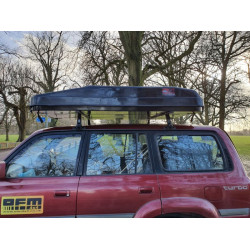
-250x250.jpg "Darche Hi-View 2200 Rooftop Tent with Annex T050801626")

-250x250.jpg "OCAM Camping Instant Awning Tent Room with LED Light")
-250x250w.jpg "OCAM Camping Instant Awning Tent Room with LED Light")
-1000x1000w-250x250.jpg "DT Adventure Portable Camping 55L Compressor Car Fridge Freezer")
-1000x1000w-250x250.jpg "DT Adventure Portable Camping 55L Compressor Car Fridge Freezer")


Leave a comment