


-32x32h.jpg)


-32x32h.jpg)

-32x32h.jpg)


-1000x1000h-32x32.jpg)


-32x32.png)


-32x32w.jpg)




-1000x1000w-150x150.jpg "DT Adventure Portable Camping 55L Compressor Car Fridge Freezer")
-1000x1000w-150x150.jpg "DT Adventure Portable Camping 55L Compressor Car Fridge Freezer")
-150x150h.jpg "Fabryka 4x4 Engine Cover Toyota Land Cruiser Prado 150 2017-on")
-150x150h.jpeg "Fabryka 4x4 Front Steel Winch Bumper for Version With Plastic Wheel Arch Extensions Toyota Land Cruiser J90 99-02")
-150x150h.jpeg "Fabryka 4x4 Front Steel Winch Bumper for Version With Plastic Wheel Arch Extensions Toyota Land Cruiser J90 99-02")
-150x150h.jpg "Fabryka 4x4 Front Winch Bumper with Bullbar Toyota Land Cruiser HZJ 71 99-07")
-150x150h.jpg "Fabryka 4x4 Front Winch Bumper with Bullbar Toyota Land Cruiser HZJ 71 99-07")
When it comes to off-roading and 4x4 adventures, having reliable recovery gear is essential. Among the most critical components is the winch, a powerful tool that can rescue your vehicle from challenging situations. Traditionally, steel cable winches have dominated the off-road market, but in recent years, synthetic rope winches have emerged as a compelling alternative. In this article, we'll delve into the comparison between synthetic rope winches and steel cable winches, exploring their respective advantages and disadvantages to help you make an informed decision for your 4x4 recovery needs.
Strength and Durability
Steel Cable Winches: Unyielding and Robust
Steel cable winches are known for their incredible strength and durability. Made from high-tensile steel, these winches can handle extreme loads and rough terrain, making them ideal for heavy-duty recovery situations. They boast impressive resistance to abrasion, sharp edges, and other external forces that could potentially damage the cable.
Recommended Products:
Synthetic Rope Winches: Lightweight and Flexible
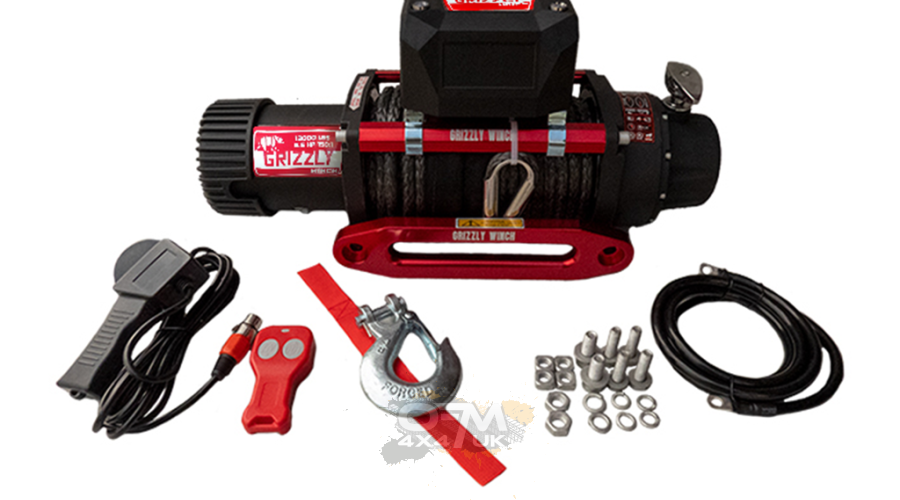
Synthetic rope winches have gained popularity due to their lightweight and pliable nature. Composed of strong synthetic fibres, like Dyneema or Spectra, these ropes offer excellent tensile strength, often comparable to their steel cable counterparts. The major advantage is their reduced weight, which eases the strain on the winch motor and makes handling the rope more manageable during recovery operations.
Recommended Products:
Safety
Steel Cable Winches: Caution is Key
While steel cable winches are durable, they pose certain safety risks. In the event of a cable failure, they can snap back with considerable force, potentially causing severe injuries. Regular inspections and maintenance are crucial to identify signs of wear and tear that could lead to cable failure.
Synthetic Rope Winches: Safety First
Synthetic ropes have a safety edge over steel cables as they do not recoil with the same intensity in case of a break. This makes synthetic ropes safer for both the vehicle and the operator during recovery operations. However, they are susceptible to UV damage and abrasion, requiring careful monitoring and replacement when signs of wear appear.
Handling and Maintenance
Steel Cable Winches: A Hefty Affair
Steel cables can be cumbersome to handle, especially during recovery situations where the cable needs to be unwound and rewound manually. They are also prone to kinking and tangling, which can be time-consuming to rectify. Regular greasing and cleaning are necessary to prevent rust and ensure smooth operation.
Synthetic Rope Winches: Easy Handling
Synthetic ropes are significantly lighter and easier to handle than steel cables. They are flexible and less likely to kink or tangle, making them a breeze to work with during recoveries. Maintenance is relatively straightforward, requiring periodic cleaning and inspection for signs of wear.
Conclusion
In the fierce debate between synthetic rope winches and steel cable winches, there is no clear winner. Each has its strengths and weaknesses, catering to different preferences and needs. Steel cable winches excel in brute strength and longevity, while synthetic rope winches shine in safety and ease of handling.
For heavy-duty applications and seasoned off-roaders, steel cable winches remain a reliable choice. If you prioritize safety, ease of use, and portability, synthetic rope winches offer a compelling alternative. Ultimately, your decision should be based on the specific demands of your 4x4 adventures and your preferences as a seasoned off-road enthusiast.
Remember, whichever winch you choose, investing in a reputable brand will ensure reliability and performance when you need it most. Happy off-roading and safe recoveries!
Related Products


-250x250.jpg "Grizzly Winch 9500 lbs (4310kg) with Steel Cable")


Leave a comment